Protect Service Routes
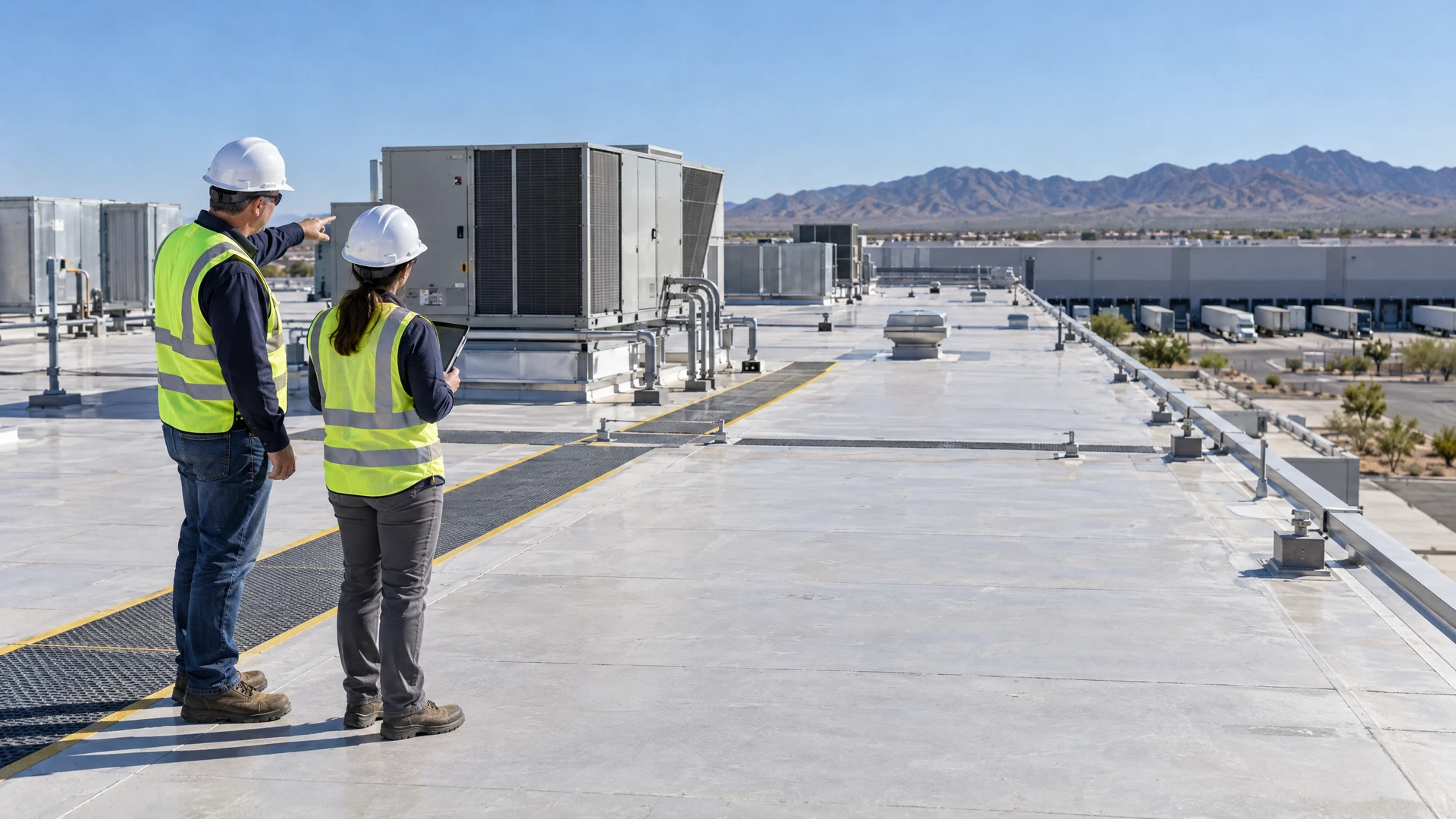
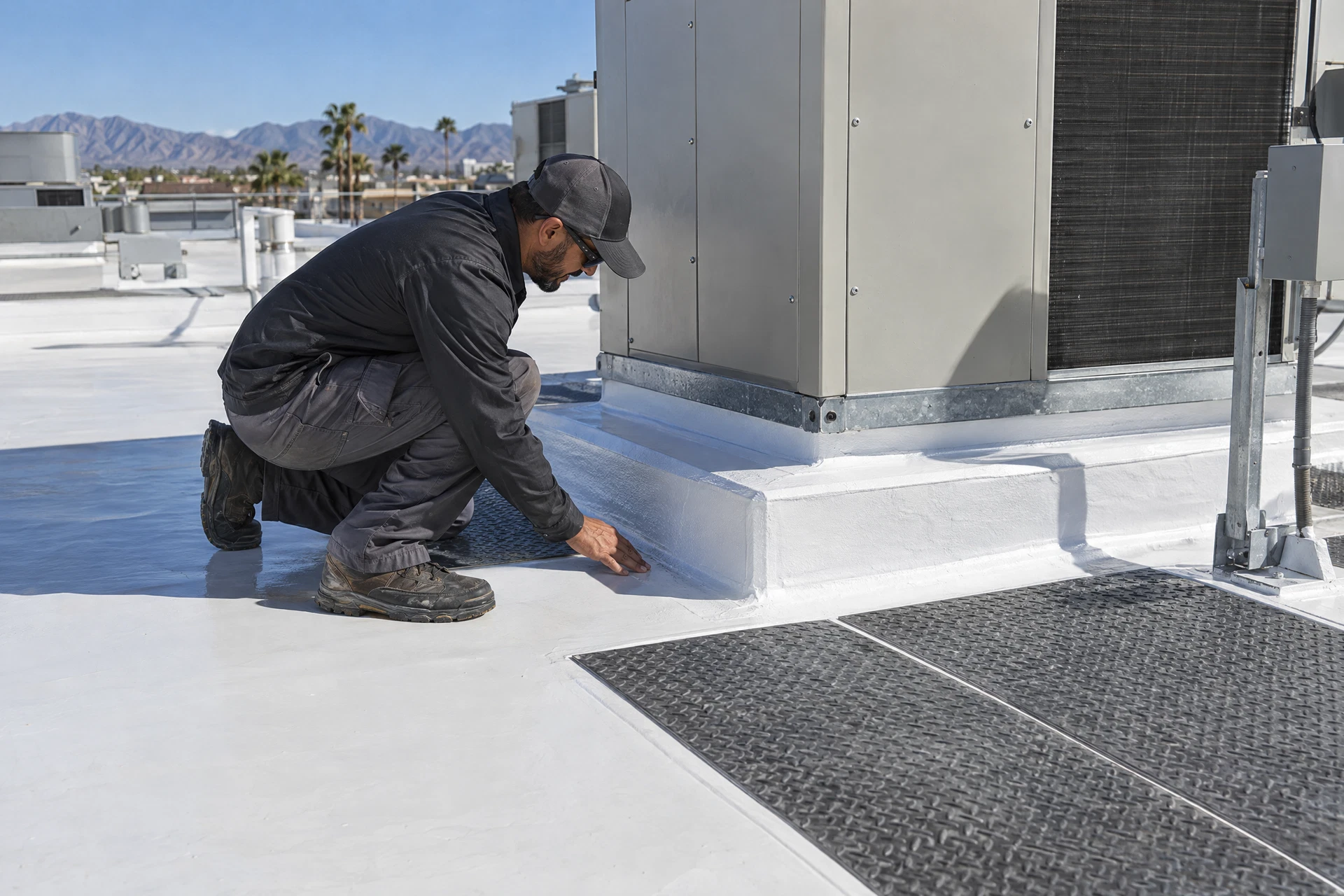
Rooftop HVAC technicians need clear, predictable paths to units, curbs, controls, and related equipment. The work sequence should keep required service access visible and usable during each planned phase.
Commercial Roof Coating in North Mountain
Deer Valley Roof Coating coats commercial roofs in North Mountain. We plan the work around occupied buildings, rooftop HVAC service routes, equipment access, and the roof condition found during inspection. Get a Free Estimate or Call Us at +1 (623) 310-0168.
Occupied-site planning
Rooftop HVAC route awareness
Condition-led material selection
Safe access sequencing
Plan Around Daily Operations
A commercial roof is part of the building’s operating system. Access, equipment routes, tenant activity, and work areas shape the sequence before coating material is selected.
Rooftop HVAC technicians need clear, predictable paths to units, curbs, controls, and related equipment. The work sequence should keep required service access visible and usable during each planned phase.
Retail, office, industrial, and mixed-use properties may have people moving below and around the roof. Identify entrances, loading zones, deliveries, and sensitive areas before staging materials or setting access routes.
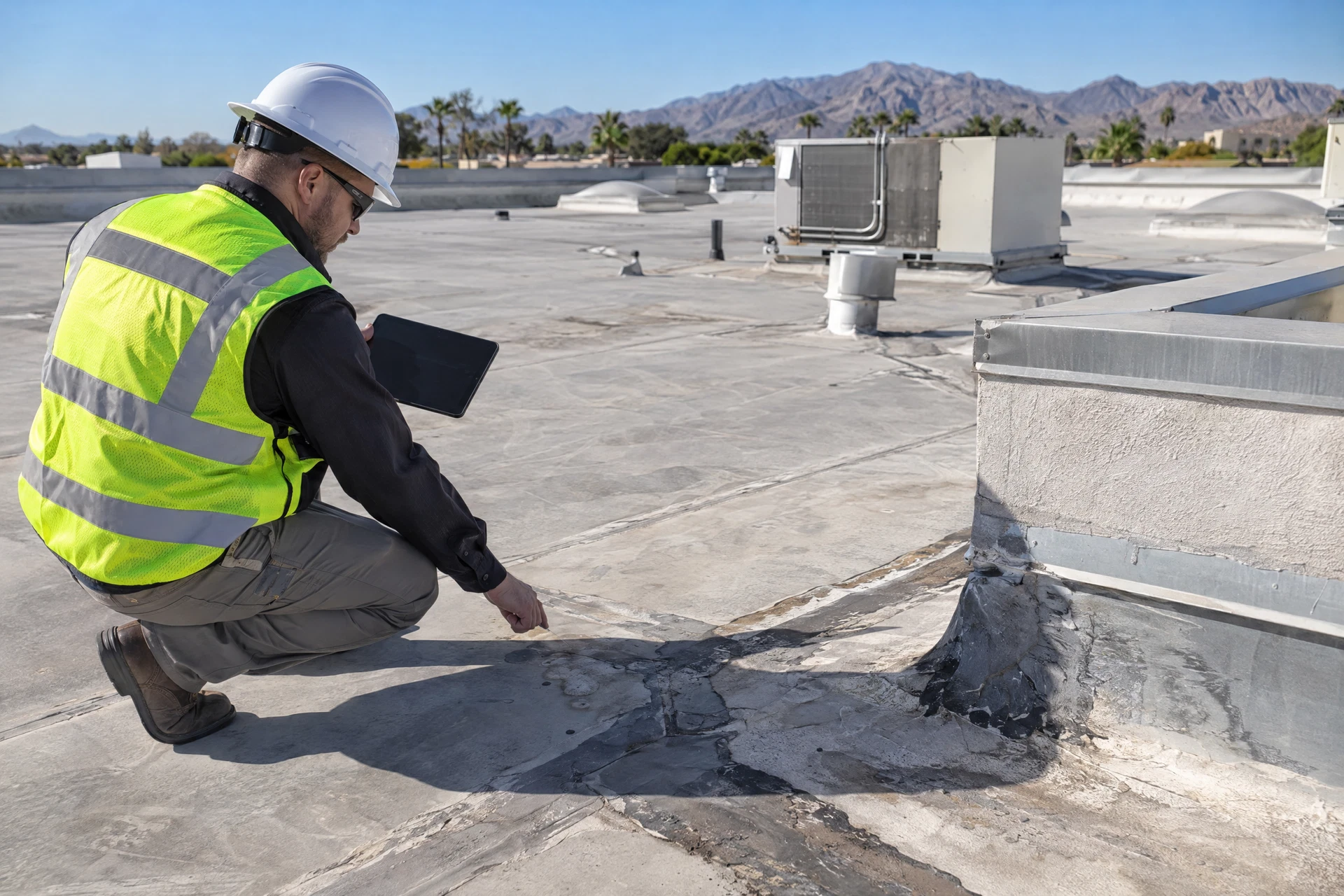
Safe access depends on the roof layout, edge conditions, penetrations, equipment placement, and route length. Inspection findings guide where crews can move, where materials can go, and which areas need added controls.
Roof Conditions That Change the Plan
A coating decision starts with the existing roof. These conditions can change preparation, detailing, material choice, or the need for repair-first work.
Metal panels can move at seams and joints. Preparation must address bond surfaces and detail transitions before a coating system is considered ready.
Loose, corroded, or exposed fasteners can undermine detail work. Fastener condition belongs in the inspection record and the repair discussion.
Curbs, pipes, vents, drains, and HVAC supports create detail points. Access around each item affects preparation and the order of work.
Moisture or unsound substrate requires closer evaluation. Coating is not a substitute for correcting structural damage, wet insulation, or a roof area that cannot support the planned system.
Limited roof access can affect staging and daily movement. Separate accessible areas from restricted areas so the sequence reflects real operating conditions.
Benefits of Coating Your Roof
A condition-led coating plan can give a commercial property a defined roof work path while keeping building operations in view.
When the roof is suitable and prepared correctly, coating can add a new protective layer over an existing roof surface. Inspection determines whether that path is appropriate.
A phased sequence can account for rooftop HVAC service routes, penetrations, and equipment clearances. That detail helps facility managers review access before work begins.
Inspection notes make roof decisions easier to discuss with owners, property managers, and facility teams. Findings can separate coating-ready areas from repair-first areas.
A visible coating system and recorded detail locations can give maintenance teams a clearer reference for later roof checks, access planning, and recoat discussions.
Commercial Roof Coating Options for North Mountain
Deer Valley Roof Coating matches the approved service to the roof surface, condition, details, and planned use. Material selection follows inspection and compatibility review.
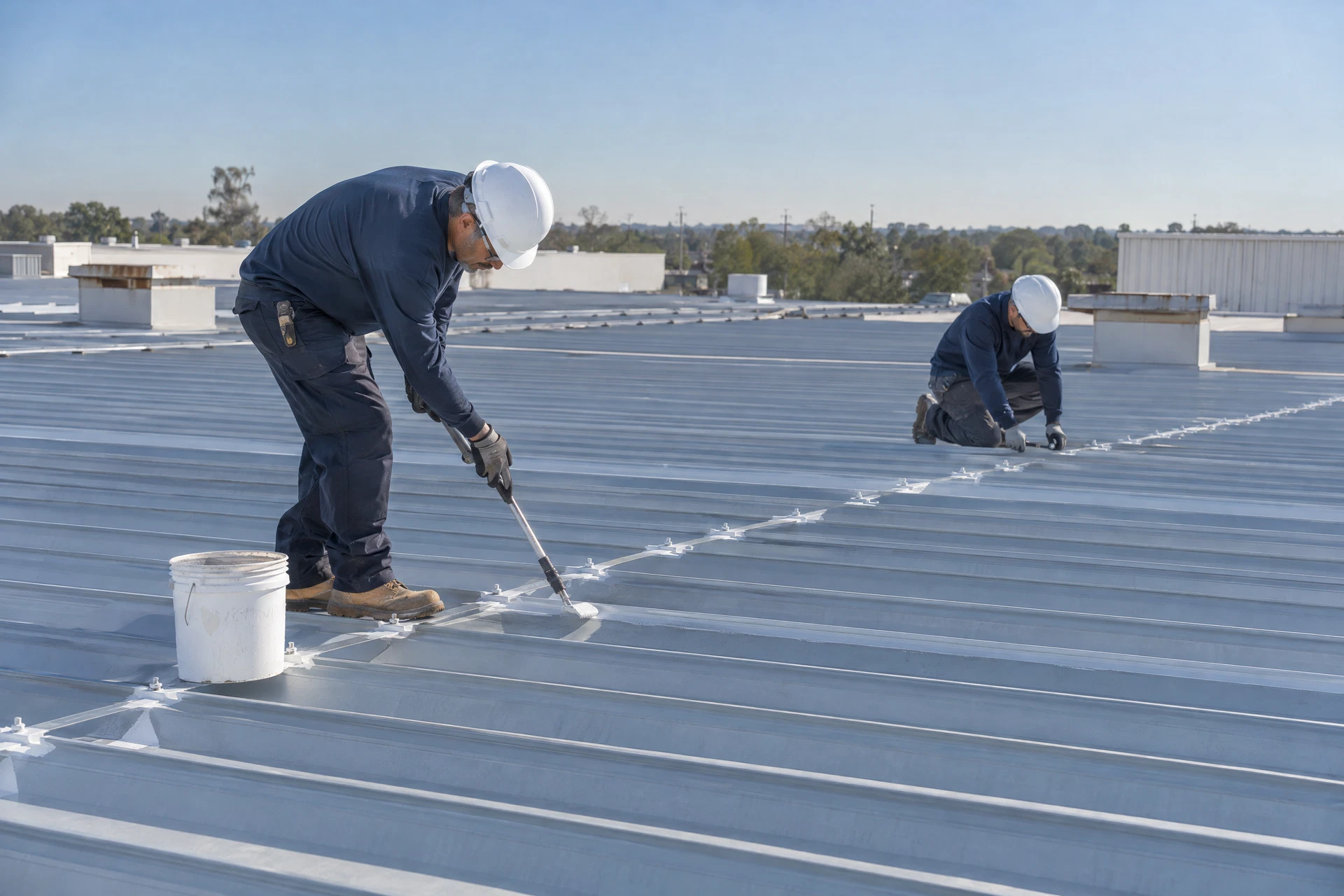
For commercial metal roofs where panel condition, seams, fasteners, movement, and penetrations can be prepared and detailed. Corrosion and attachment condition guide the scope.
Explore Metal Roof Coating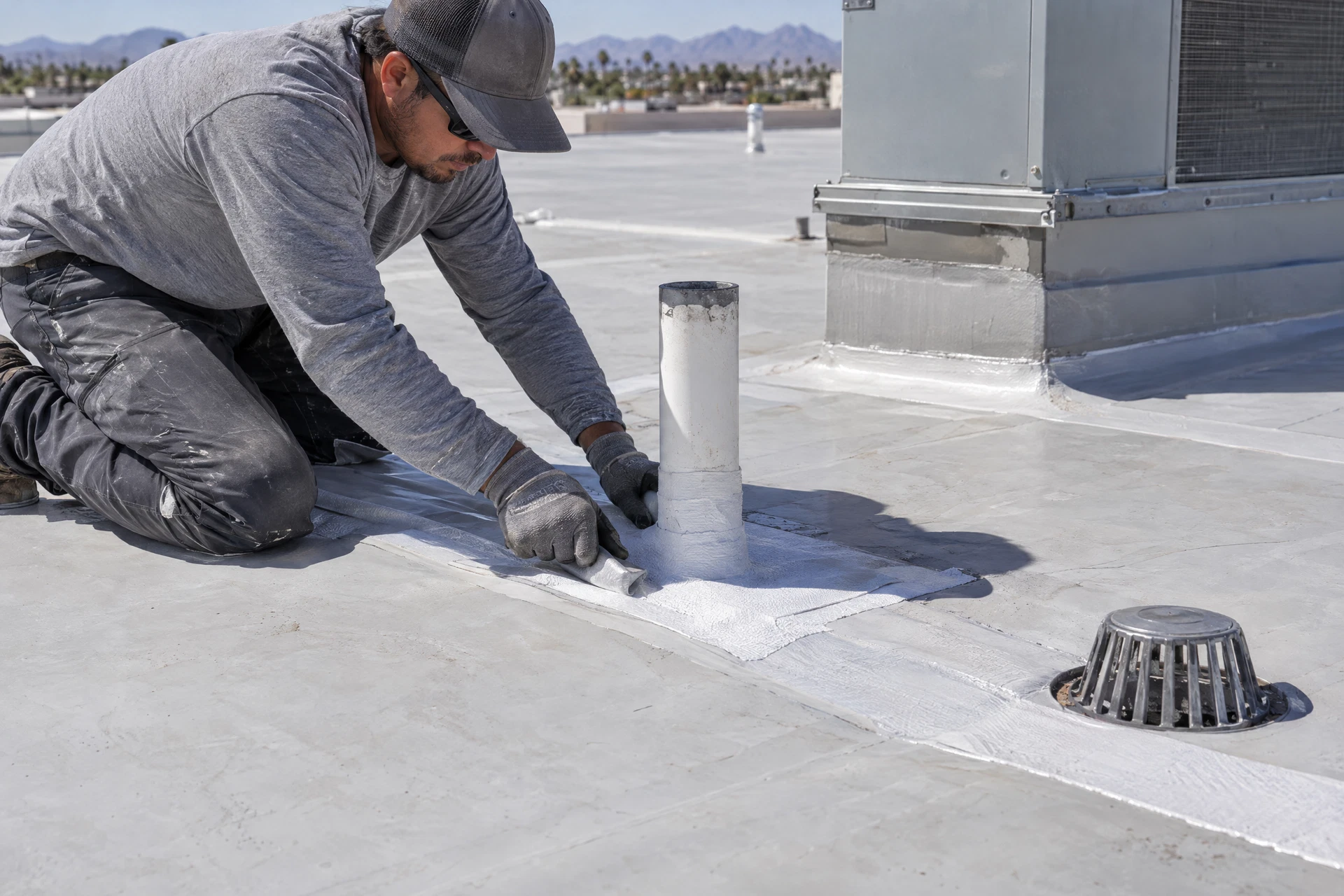
For eligible low-slope roof assemblies after substrate moisture, ponding conditions, adhesion, and primer needs receive careful review. The roof must be suitable for the selected system.
Explore Silicone Roof Coating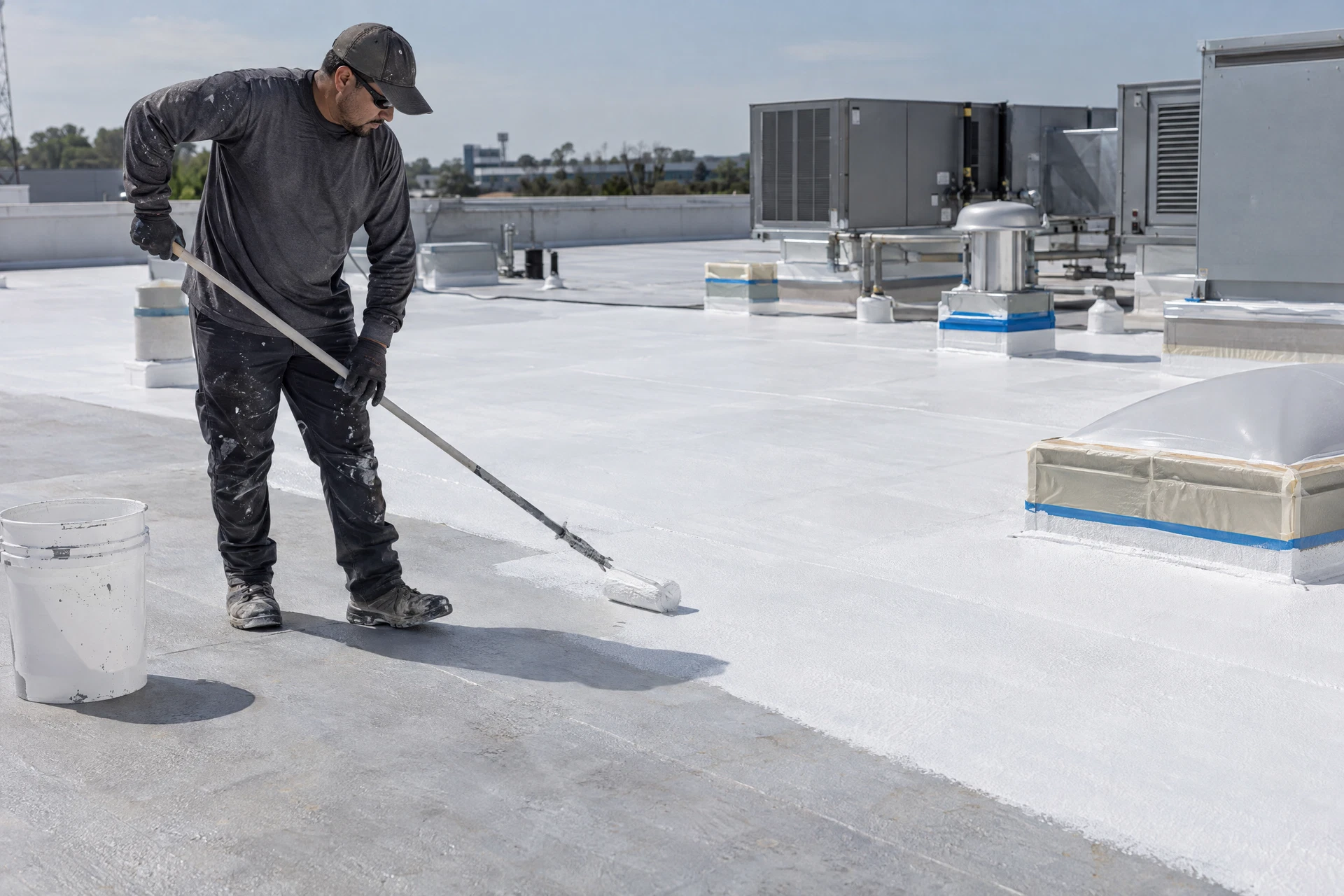
For compatible roof surfaces with workable application conditions and adequate preparation. Water-based application timing, detail reinforcement, and future recoat planning matter.
Explore Acrylic Roof Coating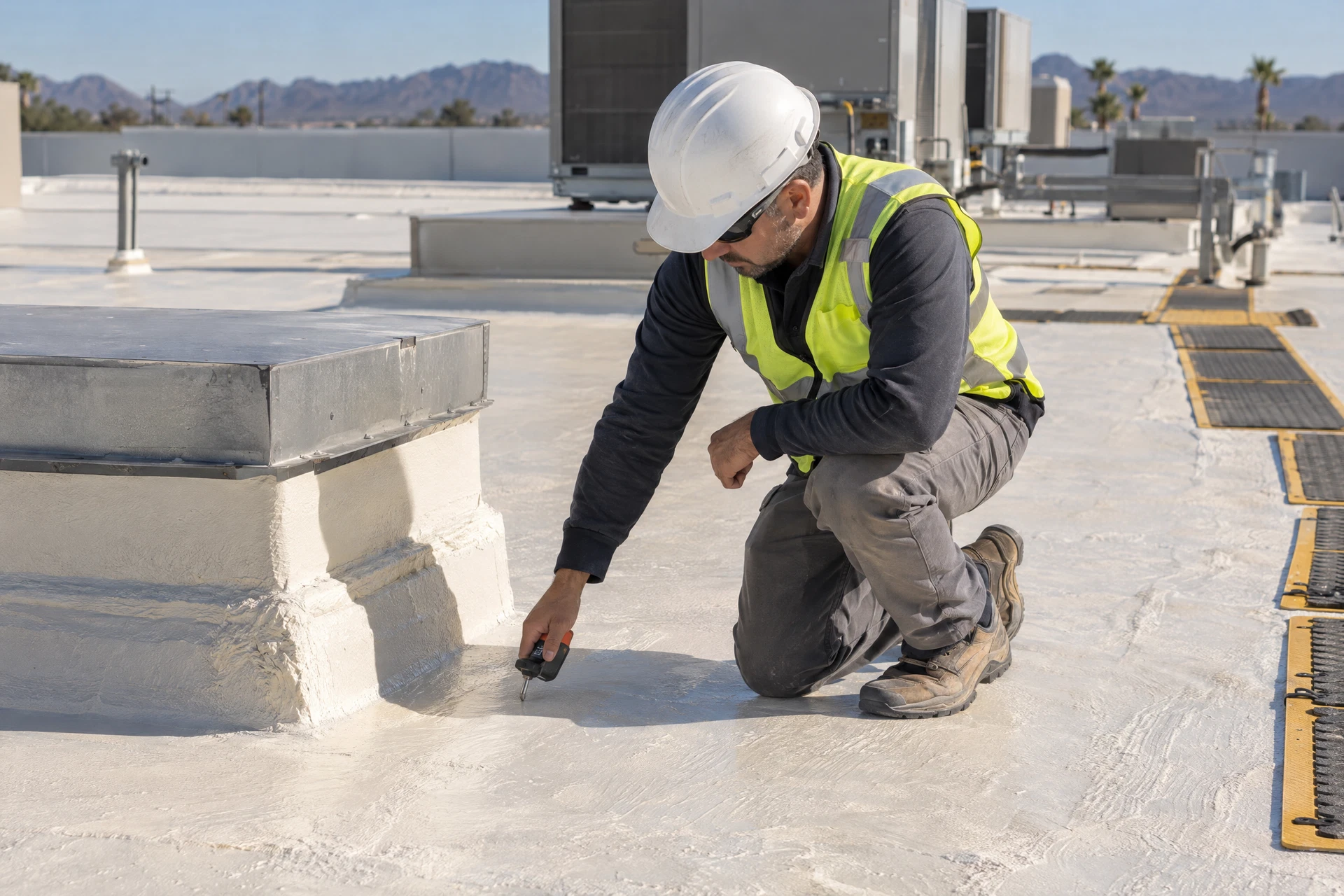
For sites where existing foam condition, substrate dryness, overspray controls, and protective topcoat requirements support a spray foam roofing plan.
Explore Spray Foam Roofing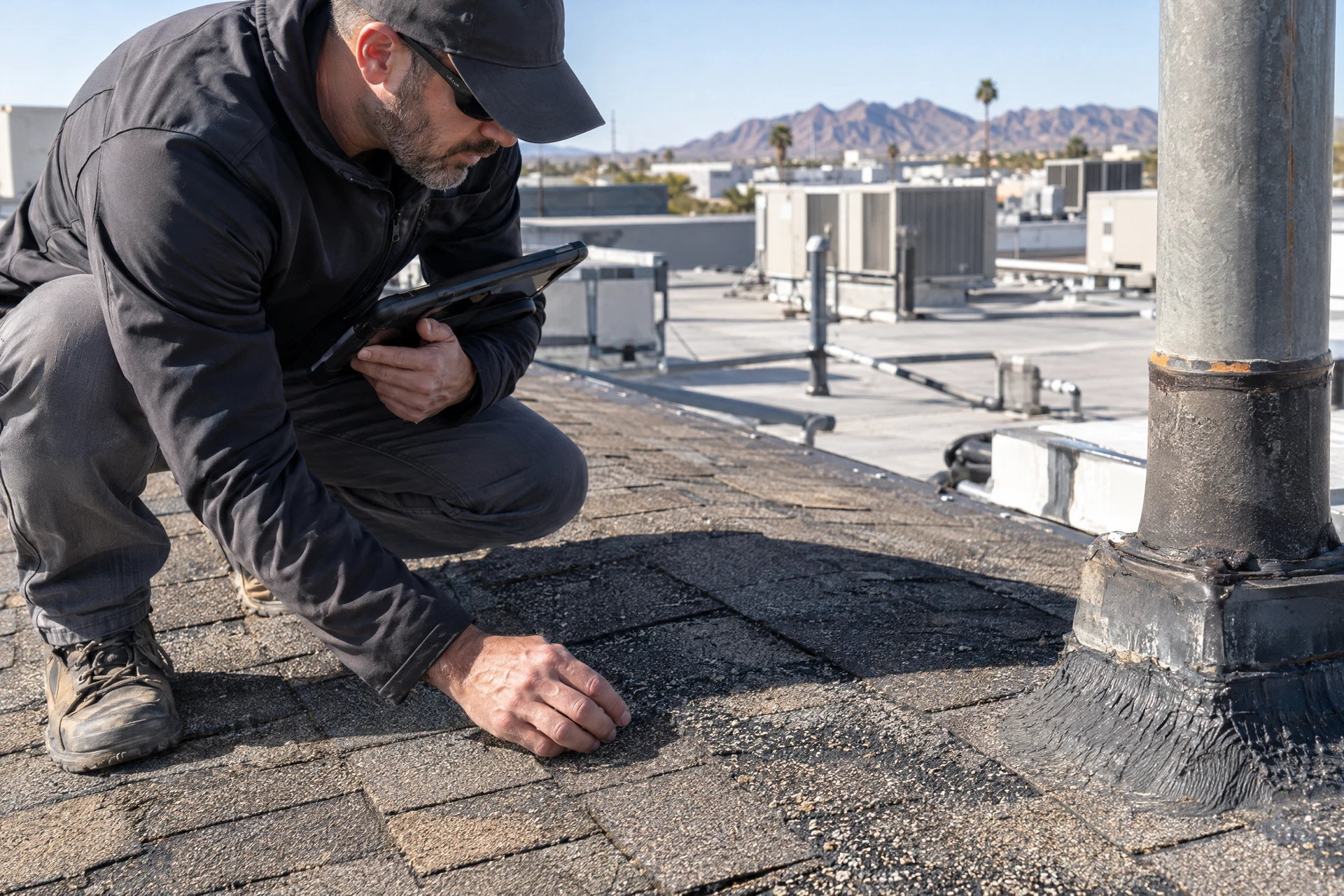
For commercial shingle roofs only when compatibility, manufacturer guidance, granule condition, ventilation details, and code considerations support coating rather than another roof path.
Explore Shingle Roof CoatingA Planned Commercial Roof Sequence
The sequence keeps roof condition, occupied-property activity, HVAC access, and safe movement connected from the first review through closeout.
Review the roof surface, seams, fasteners, penetrations, drains, equipment zones, access points, and visible condition concerns. Note areas that need further evaluation before coating.
Identify rooftop HVAC service routes, ladders, entry points, staging locations, tenant-sensitive areas, and daily movement constraints. Use the roof layout to set practical work zones.
Mark coating-ready areas, preparation areas, detail locations, and repair-first conditions. A coating plan should not treat every roof section as having the same readiness.
Compare Metal Roof Coating, Silicone Roof Coating, Acrylic Roof Coating, Spray Foam Roofing, or Shingle Roof Coating against the documented roof condition and compatibility requirements.
Complete agreed preparation and detail work, then apply the selected system in a sequence that respects access controls and building operations. Review the finished work areas with the property team.
North Mountain Planning Checklist
Use these points to prepare a useful commercial roof conversation before a site review.
Identify roof-mounted HVAC units, regular service routes, vents, curbs, and other equipment that technicians must reach.
Note tenant hours, deliveries, loading areas, entrances, occupied floors, and any event or production windows that affect roof access.
Gather prior roof repairs, coating records, leak reports, maintenance notes, and drawings when available. These records help focus inspection questions.
Describe ladders, roof hatches, gates, staging areas, edge conditions, and material movement paths. Site-specific access affects sequencing.
Permit requirements depend on scope. City of Phoenix guidance should be checked before work begins, including whether the proposed work fits an applicable exception.
Other Approved Service Areas
Commercial roof planning may also be organized for these approved areas. Each property still needs its own condition and access review.
Plan large roof sections, staging, and repair-first areas.
Review drains, penetrations, equipment, and detail work.
Coordinate multi-building sites, tenants, and shared access.
Document condition and weather windows before selection.
Plan material movement, preparation, and safe access.
Review Your Commercial Roof
Share the building’s roof type, equipment access needs, and operating constraints. Deer Valley Roof Coating can discuss a condition-led path for North Mountain.
Call +1 (623) 310-0168 to discuss the roof and request a free estimate.
Use +1 (623) 310-0168 for a direct commercial roof conversation.
Next Roof Step
Bring the roof condition, access concerns, and building details into one commercial coating discussion.