Commercial roof inspection and planning

Deer Valley Roof Coating Company

About Deer Valley Roof Coating

Deer Valley Roof Coating coats commercial roofs for property owners, building owners, and facility managers. The work starts with roof condition, access, moisture, drainage details, and daily operations. Those findings guide a practical choice among coating, repair, or replacement.

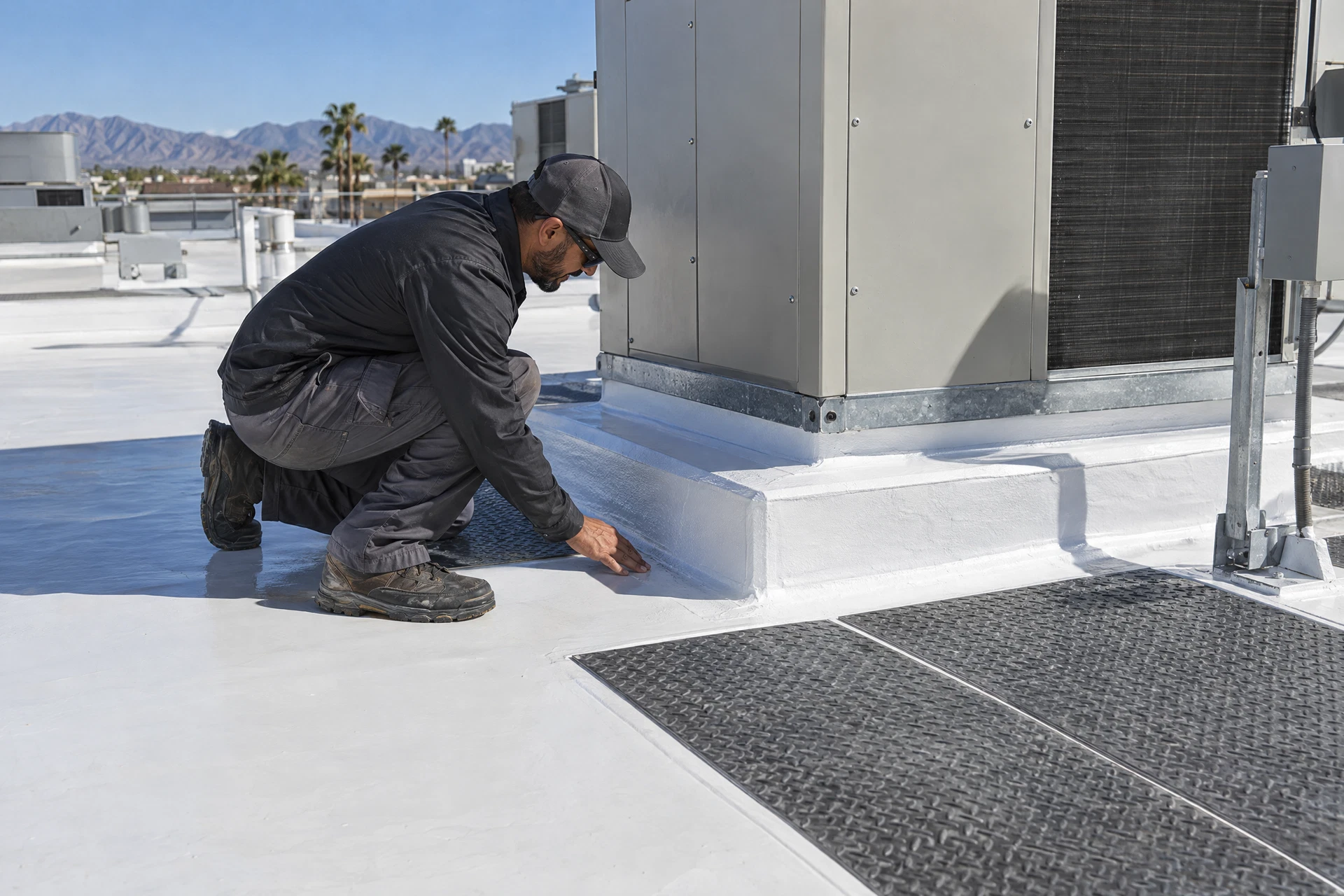
Commercial roofs evaluated by condition

Five approved roofing systems

Repair boundaries stated plainly

Call Us: +1 (623) 310-0168

How Roof Decisions Are Made

How Roof Decisions Are Made

A useful roof recommendation connects observed conditions to a workable scope. The review should show what a coating can address, what needs repair first, and when replacement deserves consideration.

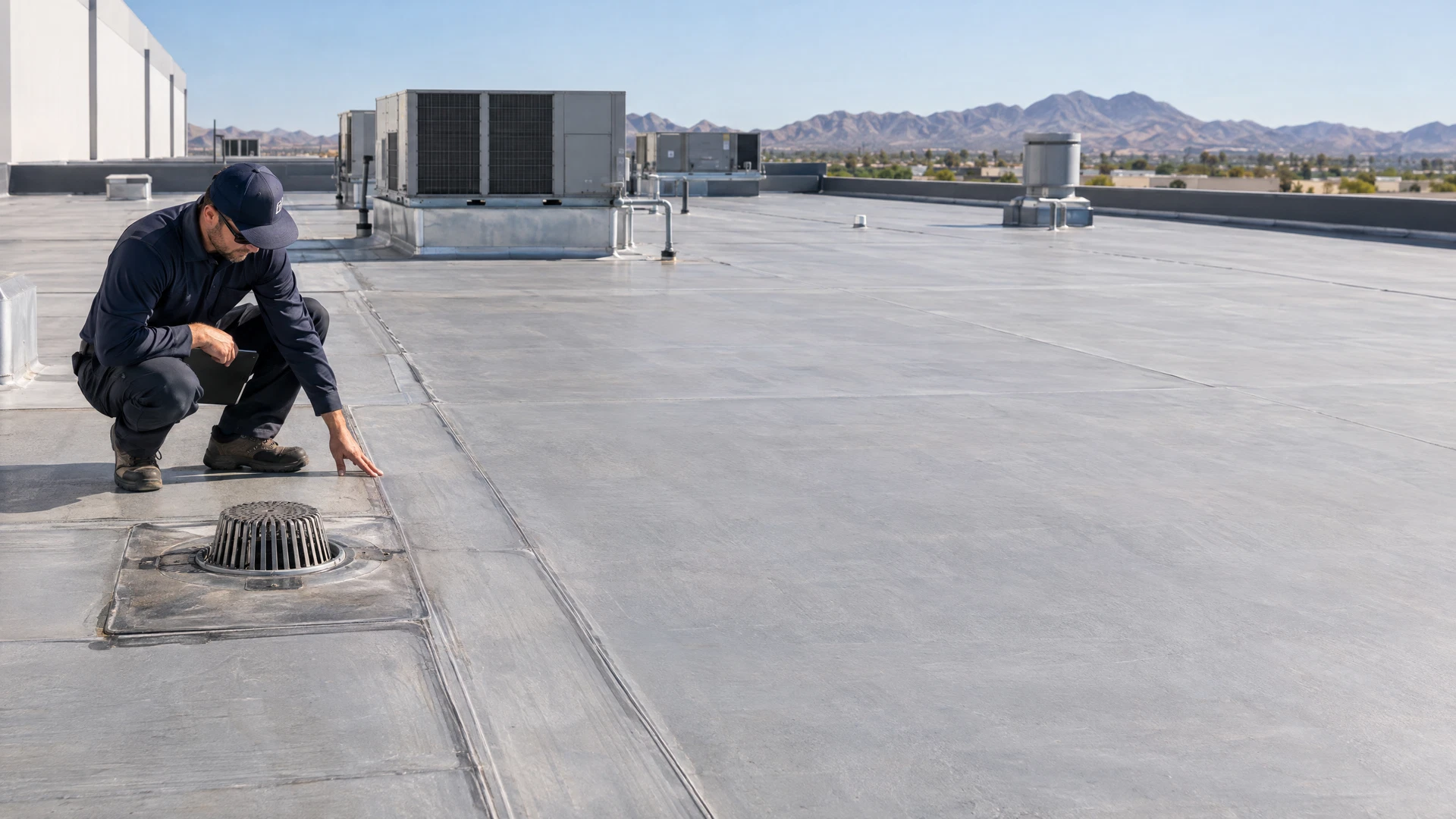
Commercial roof access and inspection planning

Start With The Roof In Front Of You

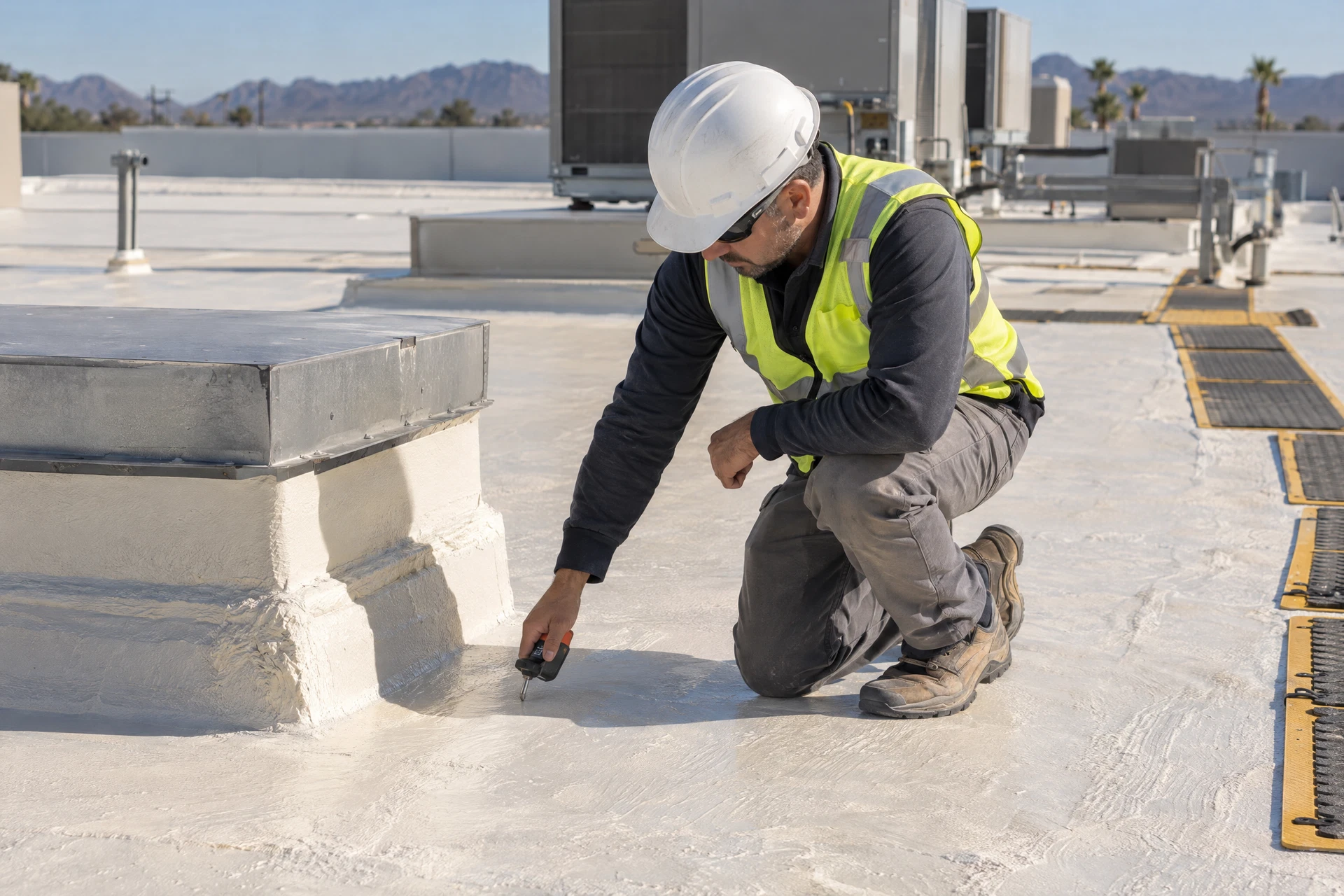
A commercial roof may have sound areas beside failed details. Review membrane or panel condition, seams, flashings, penetrations, drains, rooftop equipment, insulation indicators, and safe access before discussing material. The visible surface is only one part of the decision.

  • Identify roof type and approximate service areas
  • Document leaks, blisters, corrosion, cracks, or exposed substrate
  • Separate repair-ready areas from coating-ready areas
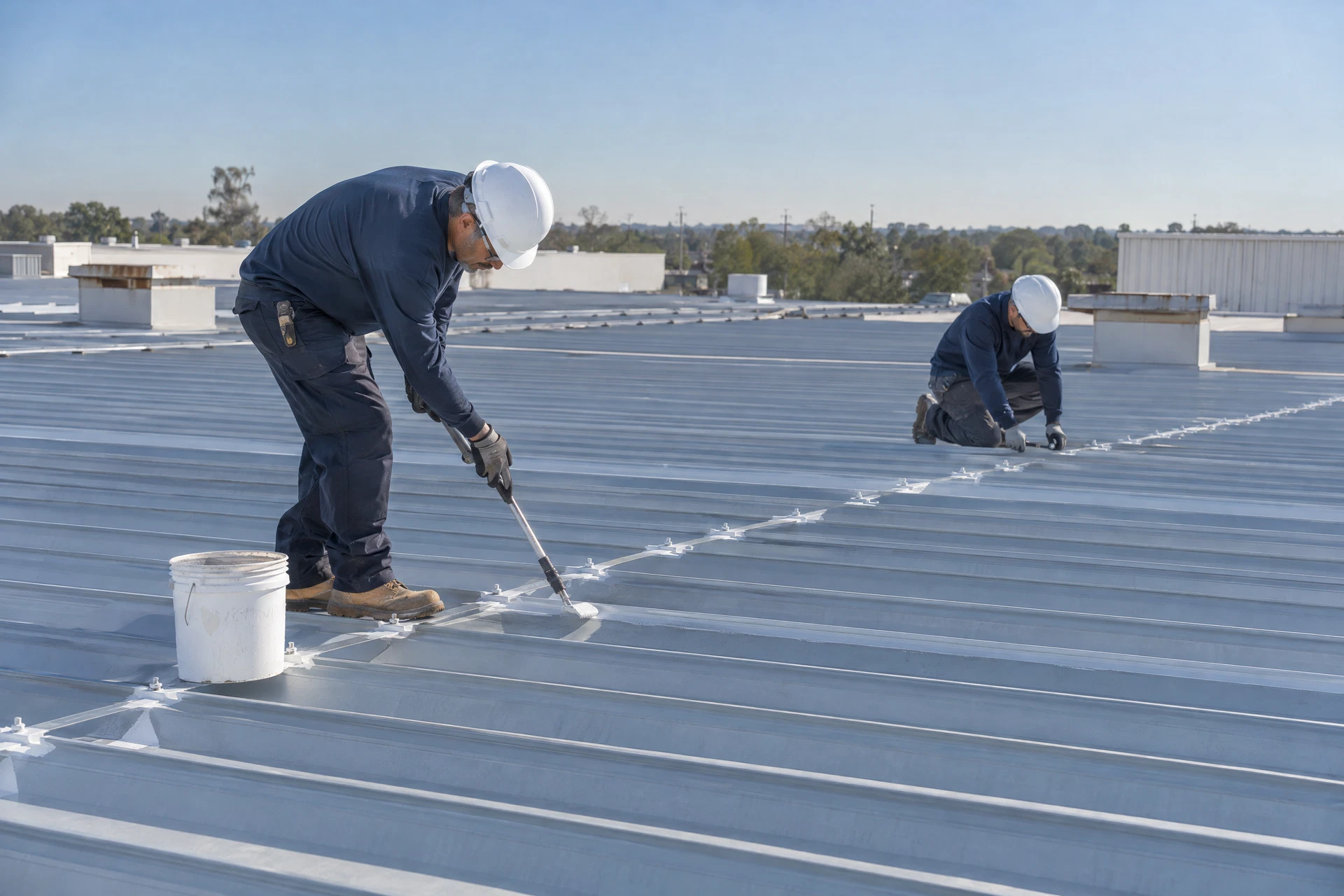
Match Scope To Risk

Coating can make sense when the existing roof remains a suitable substrate and preparation can produce dependable adhesion. Repair may be the better first scope when details, wet sections, or isolated damage need correction. Replacement may deserve review when the underlying system cannot support restoration.

  • Discuss condition before chemistry
  • Price preparation and repairs as visible scope
  • Keep replacement in the conversation when evidence points there

The Commercial Roof Inspection Checklist

The Commercial Roof Inspection Checklist

A consistent inspection gives ownership and facility teams a shared record. These checkpoints focus the conversation on roof facts instead of a generic product recommendation.

Roof Type And Existing Layers

Identify the current system, visible layers, panel or membrane layout, previous repairs, and areas with different conditions. Approved service discussions may include Metal Roof Coating, Silicone Roof Coating, Acrylic Roof Coating, Spray Foam Roofing, or Shingle Roof Coating when the roof fits the required scope.

Seams, Flashings, And Penetrations

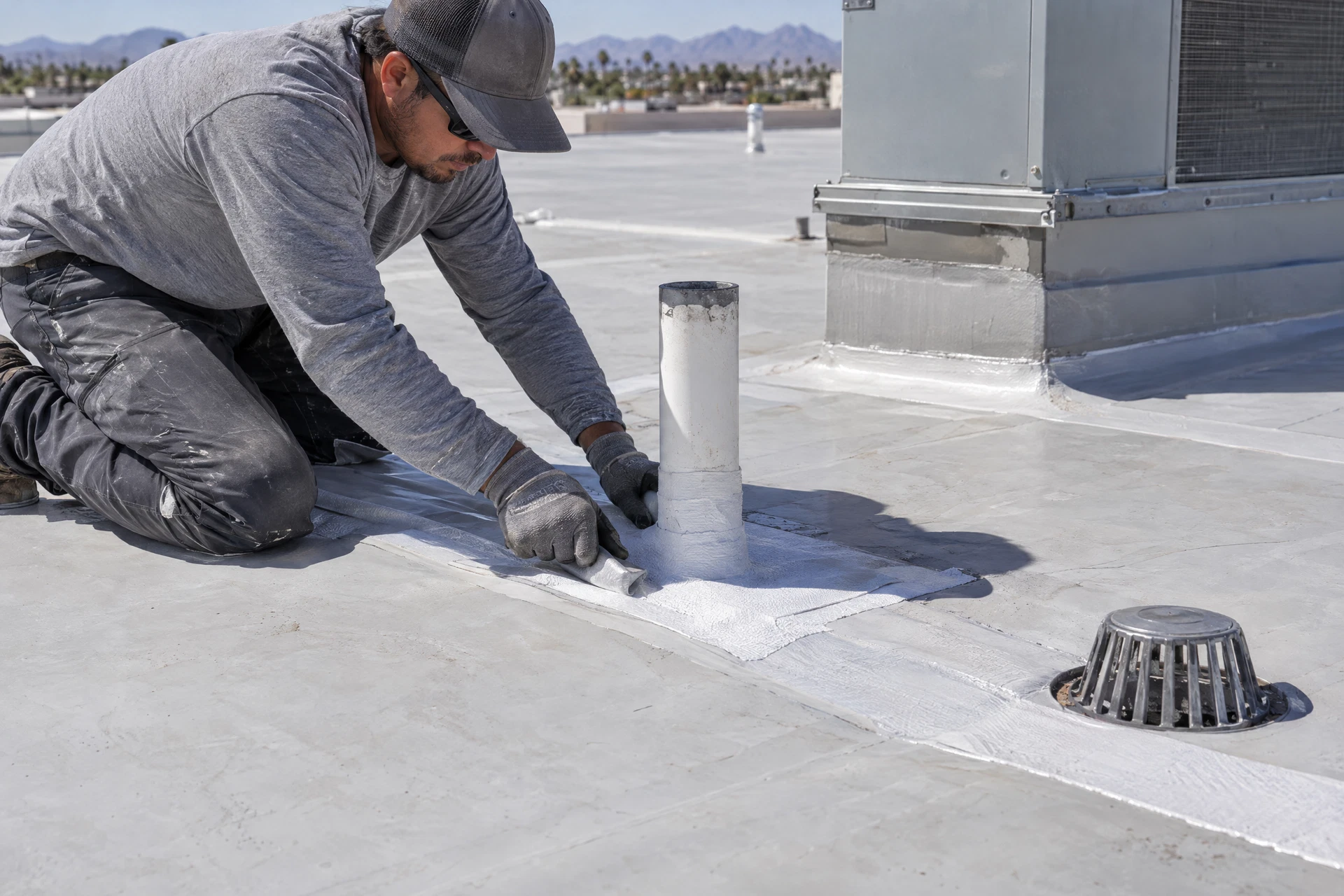
Inspect seams, laps, edge metal, curbs, pipe penetrations, drains, scuppers, and other transitions. These details often determine preparation and repair work before any field coating is considered.

Surface Condition

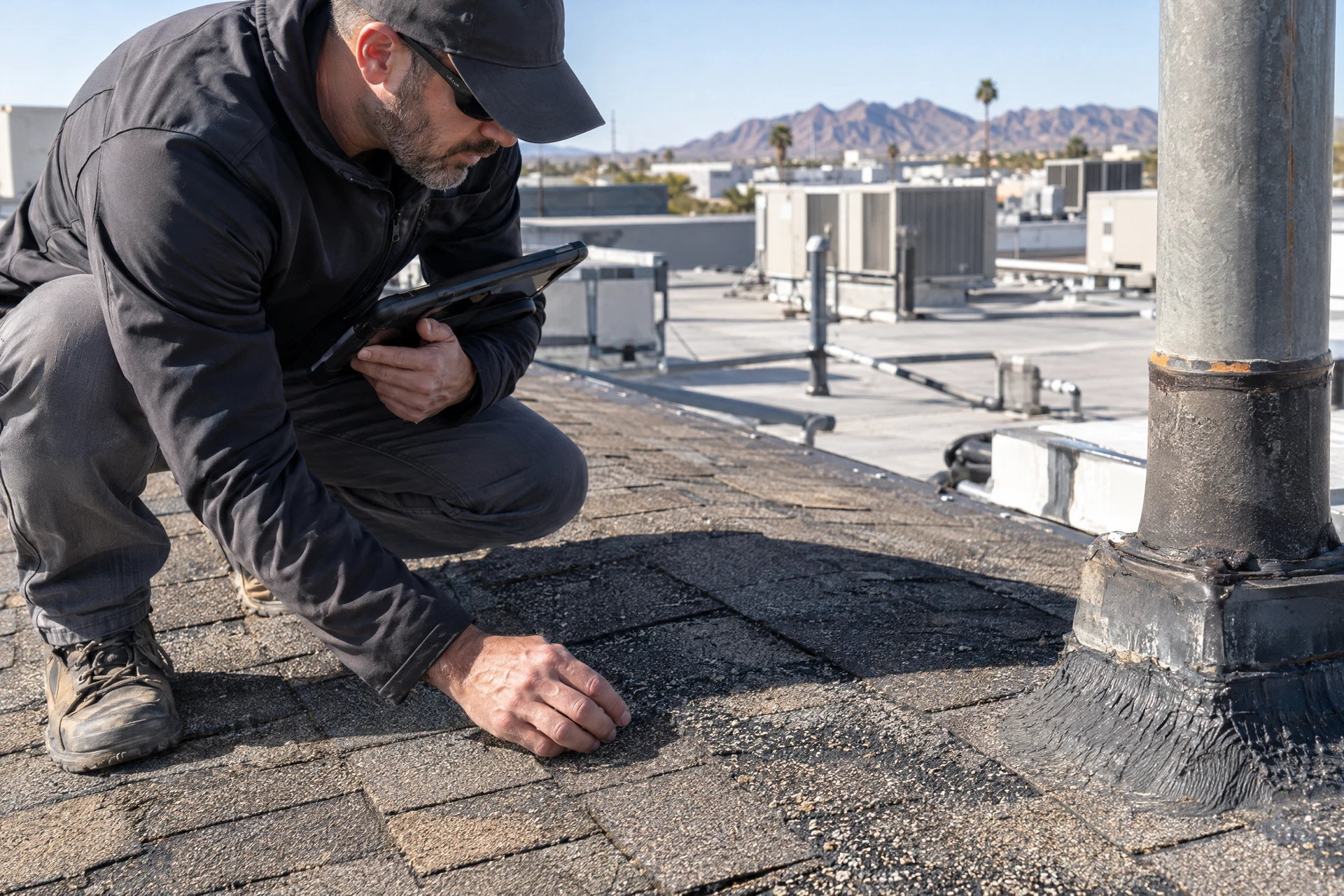
Look for chalking, corrosion, cracking, exposed fasteners, loose material, punctures, blisters, granule loss, and areas that may not accept a coating. Surface cleaning alone does not correct a failed substrate.

Moisture Indicators

Review signs of trapped moisture, recurring leaks, soft areas, wet insulation indicators, and interior reports. Wet sections require a repair decision before a coating scope is approved.

Drainage And Water Exposure

Observe drains, scuppers, slopes, low points, and areas where water remains. A coating selection does not correct defective drainage, so water movement and ponding conditions need their own review.

Access And Building Operations

Map rooftop equipment, service routes, loading areas, tenant activity, occupied spaces, and material staging needs. The work plan must account for how the property functions during roof access.

Application Conditions

Consider substrate dryness, surface preparation, weather exposure, cure requirements, and the selected product's application limits. A sound scope includes the conditions needed to apply and inspect each coat.

Coating, Repair, Or Replacement

Coating, Repair, Or Replacement

The right path depends on evidence from the roof. Use these boundaries to frame a commercial discussion before a product or price is selected.

A Coating May Fit

A coating may fit when the existing roof is generally sound, the substrate can be prepared, and isolated defects can be corrected first. Product selection still depends on roof type, adhesion, moisture findings, exposure, and specified application conditions.

  • Sound substrate with manageable preparation
  • Localized details that can be repaired
  • A defined chemistry and thickness plan

Repair First

Repair comes first when leaks, failed seams, damaged flashings, punctures, blisters, corrosion, or wet sections could undermine the coating. The repair scope should identify the affected area and the condition that remains after correction.

  • Correct source details before covering the field
  • Replace or address wet sections as needed
  • Recheck adhesion and surface readiness

Review Replacement

Replacement deserves review when the roof has widespread deterioration, a compromised deck, extensive wet insulation, or conditions that leave too little sound substrate for restoration. A coating should not be used to conceal conditions that require a broader roof decision.

  • Document the extent of deterioration
  • Separate structural questions from coating questions
  • Compare the long-term scope with restoration work

Commercial Roof Coating Options

Commercial Roof Coating Options

The approved service list is a starting point, not a promise that every system fits every roof. Condition, compatibility, preparation, and operating requirements control the final recommendation.

Benefits of Coating Your Roof

Benefits of Coating Your Roof

When the roof is a suitable candidate, a coating discussion can help ownership plan a focused restoration scope around condition, disruption, and future upkeep.

A Defined Restoration Scope

Inspection-led preparation makes repairs, detail work, primers, and coating areas easier to see in the proposed scope. That clarity helps property teams compare what the roof needs before approving work.

Less Tear-Off In The Scope

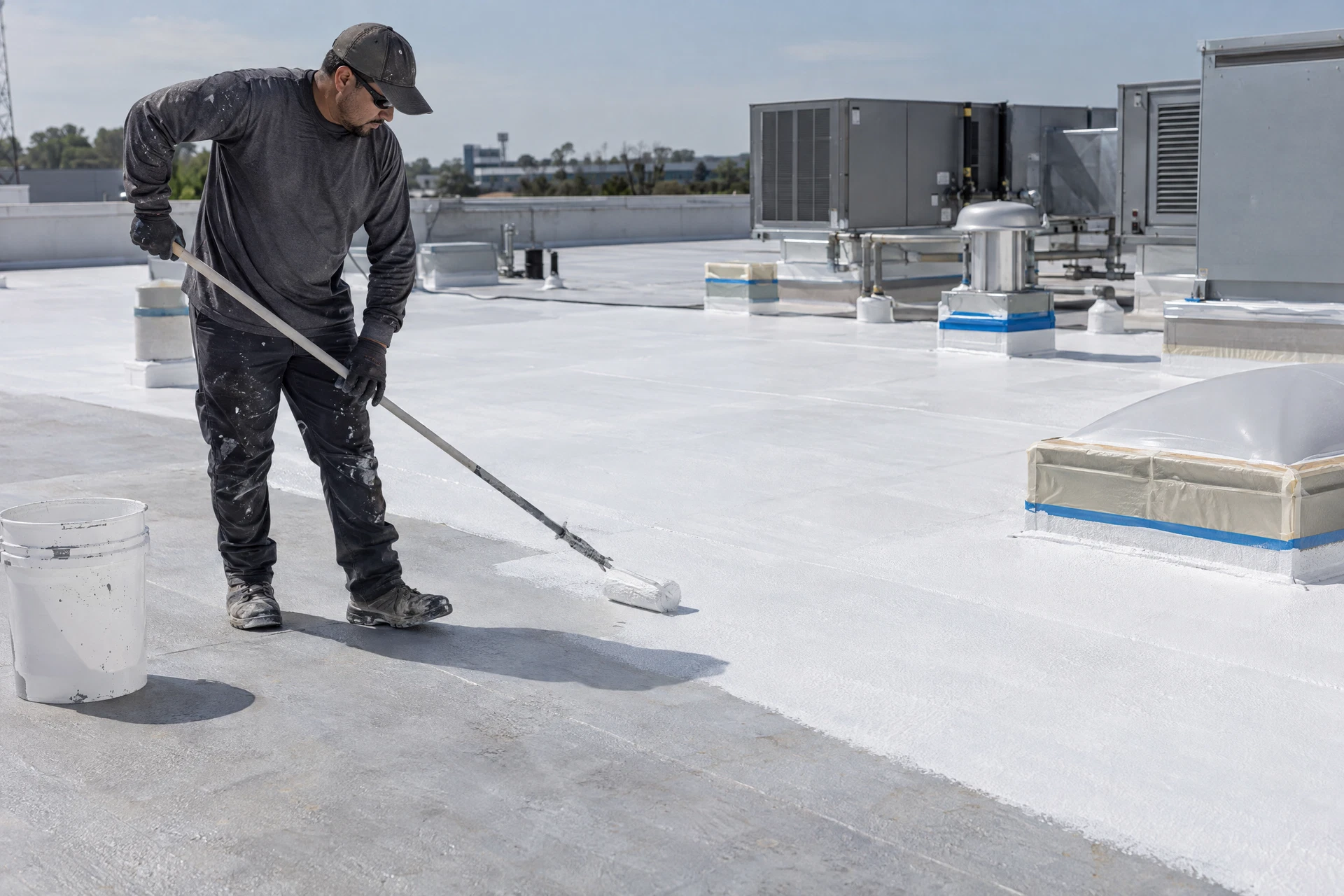
A coating is applied over an existing roof after preparation and repairs. When the substrate is suitable, this can keep the work centered on restoration rather than a full tear-off scope.

A Surface Prepared For Maintenance

A documented coating system gives facility managers a defined surface to inspect for punctures, worn areas, detail damage, and conditions that need attention during future upkeep.

A Better Ownership Conversation

Condition findings, preparation needs, and repair boundaries give owners a clearer basis for deciding whether to restore, repair, or review replacement for each roof area.

A Condition-Led Roof Review

A Condition-Led Roof Review

The process keeps the recommendation tied to observable conditions and a workable commercial scope.

  1. 01

    Inspect Your Roof

    Review roof type, surface condition, seams, details, drainage, moisture indicators, equipment, access, and building operations. Record areas that need closer testing or repair review.

  2. 02

    Separate Repair Areas

    Mark leaks, failed details, damaged materials, wet sections, and other conditions that need correction before a coating can be considered.

  3. 03

    Check System Fit

    Compare the roof condition with the requirements of the proposed service, including compatibility, adhesion, dryness, drainage exposure, preparation, and application limits.

  4. 04

    Build The Work Scope

    Describe cleaning, repairs, reinforcement, primers, coating areas, access controls, protection measures, and inspection points so ownership can review the work clearly.

  5. 05

    Choose The Next Roof Decision

    Use the findings to move forward with coating, complete repair work first, or review replacement when restoration would not address the roof's broader condition.

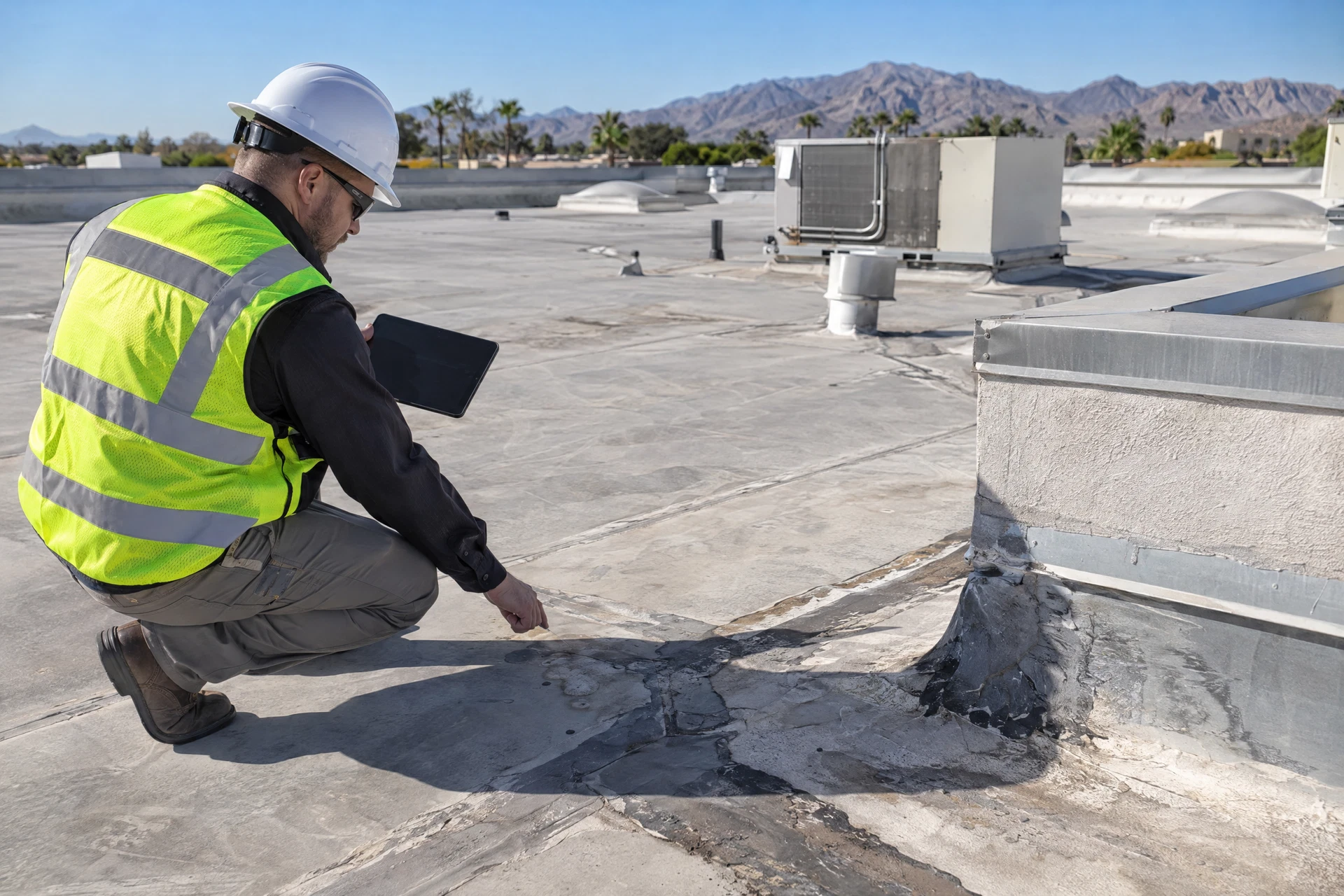
Commercial roof detail inspection

Next Roof Step

Get A Clear Starting Point

Bring the roof condition, access concerns, and building details into one commercial coating discussion.

Roof Questions?

Talk About Your Commercial Roof

Leave your name and phone number, or call now to discuss the roof condition.

Call Us
Call Us+1 (623) 310-0168