Commercial roof inspection and planning

Commercial SPF Roof Review

Deer Valley Spray Foam Roofing

Deer Valley Roof Coating coats commercial roofs with spray foam roofing systems when the substrate is dry, existing foam is serviceable, and the property can support careful overspray controls. We review foam condition, rooftop equipment, protective topcoat needs, and the recover-versus-remove choice before work is specified.

Dry substrate checked before foam work

Existing foam condition guides scope

HVAC and overspray controls planned

Protective topcoat specified after review

When Spray Foam Roofing Fits

When Spray Foam Roofing Fits

Spray foam is a condition-led option for commercial roofs. The inspection must establish whether the roof can receive new foam, needs localized preparation, or belongs in a different repair or replacement plan.

Coat-Ready Conditions

A dry, sound substrate and serviceable foam give the work a workable starting point. The surface must accept the specified system, roof details must be reachable, and the building team must be able to control rooftop traffic during application.

  • Dry substrate
  • Foam attached and stable
  • Accessible details

Prepare Before Foam

Localized defects may need preparation before new foam is applied. The scope can include removing loose material, treating exposed areas, addressing failed details, and documenting any moisture concern so the coating does not conceal an unresolved condition.

  • Loose foam removed
  • Exposed areas reviewed
  • Details prepared

Recover Or Remove

Widespread deterioration, trapped moisture, poor attachment, or an unsuitable substrate can move the decision away from recovery. We use the inspection findings to separate a recoverable roof from a roof that needs a different plan.

  • Condition mapped
  • Moisture concerns flagged
  • Scope matched to evidence

Foam Conditions That Change Scope

Foam Conditions That Change Scope

Spray foam roofing requires more than a foam application. These condition checks identify where preparation, protection, or a different roof decision belongs before materials are ordered.

Wet Substrate

Foam work starts with a dry substrate. Moisture below or around the existing system can affect adhesion and conceal the source of roof trouble. The inspection records visible evidence and identifies areas that require further review before application.

Damaged Foam

Cuts, gouges, exposed areas, loose sections, and surface erosion each change preparation. Damaged foam is reviewed by location and extent so repair work can be separated from areas suitable for a new protective build-up.

Open Details

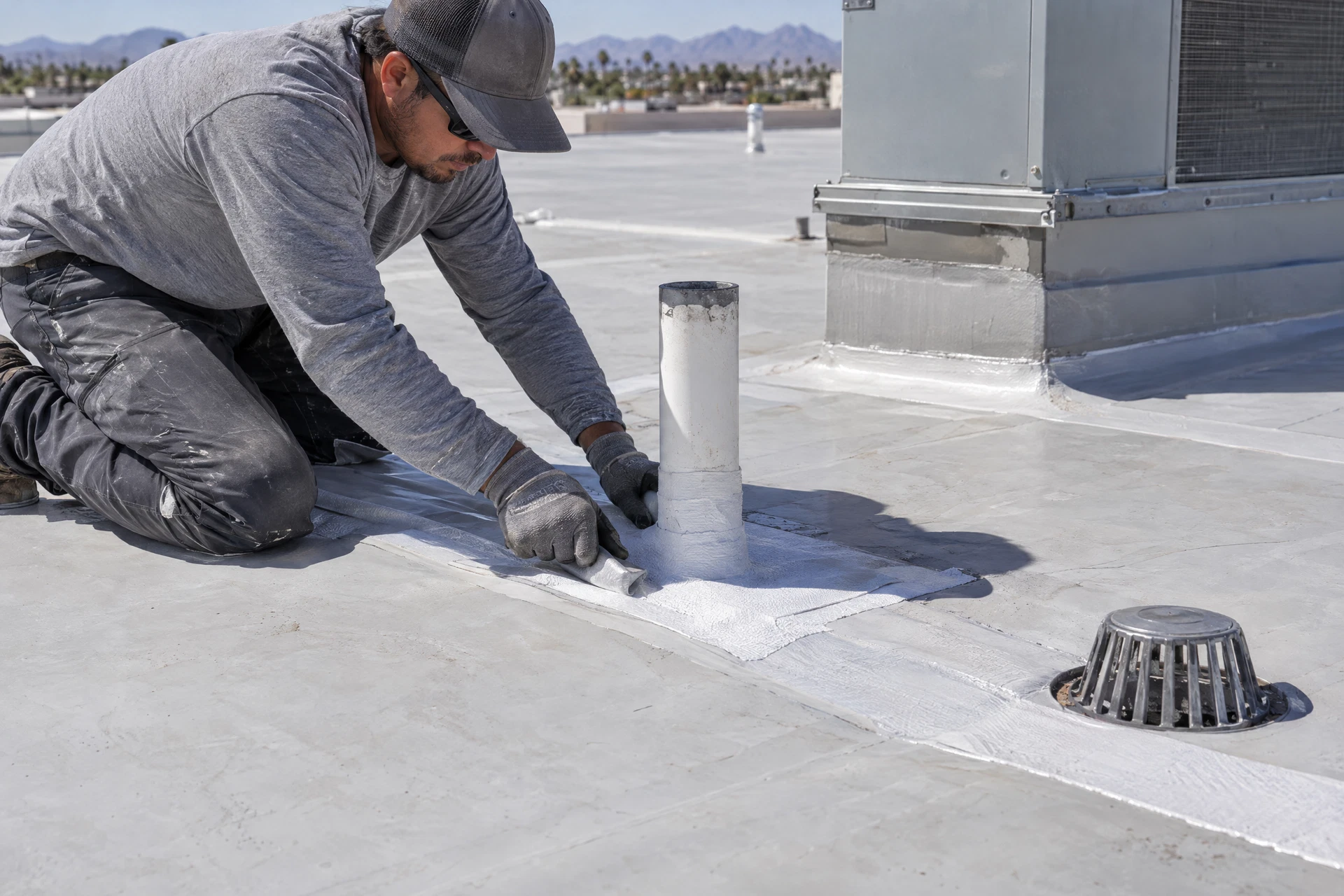
Curbs, penetrations, edges, drains, and transitions need deliberate detail work. The roof plan should identify these points before spraying so access, masking, reinforcement, and finishing are coordinated rather than improvised.

Uncontrolled Overspray

Spray operations need defined protection zones. Adjacent walls, vehicles, air intakes, equipment, walkways, and occupied areas are reviewed so masking, access limits, and work sequencing can be set before application begins.

Exposed Finish

Foam needs a compatible protective topcoat selected for the specified system and roof conditions. The finish plan should cover application readiness, detail coverage, access after completion, and future inspection points.

Commercial Roof Coating Options for Deer Valley

Commercial Roof Coating Options for Deer Valley

Spray foam is one approved commercial roof service. The existing roof, condition findings, access needs, and intended finish determine which option belongs in the scope.

Commercial roofing detail for Spray Foam Roofing

Spray Foam Roofing

A foam system is considered when dry-substrate conditions, foam condition, application controls, and protective topcoat requirements can be addressed. The inspection determines whether recovery is practical.

Explore Spray Foam Roofing
Commercial roofing detail for Acrylic Roof Coating

Acrylic Roof Coating

Acrylic Roof Coating may suit selected commercial roof conditions where the substrate, detail work, drainage, and application window support it. The scope should identify preparation and future maintenance points.

Explore Acrylic Roof Coating

Benefits of Coating Your Roof

Benefits of Coating Your Roof

A suitable protective roof system can give property owners a clearer maintenance path. The value depends on sound conditions, correct preparation, controlled application, and ongoing roof access practices.

Defined Roof Scope

An inspection-led plan separates foam recovery, preparation, detail work, and conditions that need another remedy. That gives ownership and facilities teams a clearer basis for comparing the proposed work.

Protected Foam Surface

A compatible protective topcoat provides the specified finish over prepared foam. The system still needs visual checks, careful rooftop traffic, and attention to worn or damaged areas over time.

Fewer Workday Surprises

Overspray zones, HVAC controls, access routes, and occupied-area protections are discussed before application. Early coordination helps the property team understand what must be protected and when roof access changes.

A Maintainable Plan

The completed scope can identify details, walk paths, equipment zones, and inspection priorities. That information helps facilities staff keep future roof work focused on known conditions instead of guessing at the surface.

Our Spray Foam Roofing Process

Our Spray Foam Roofing Process

The process follows the roof's condition and the property's operating constraints. Each step turns a central gate into a documented scope for commercial decision-makers.

  1. 01

    Inspect Your Roof

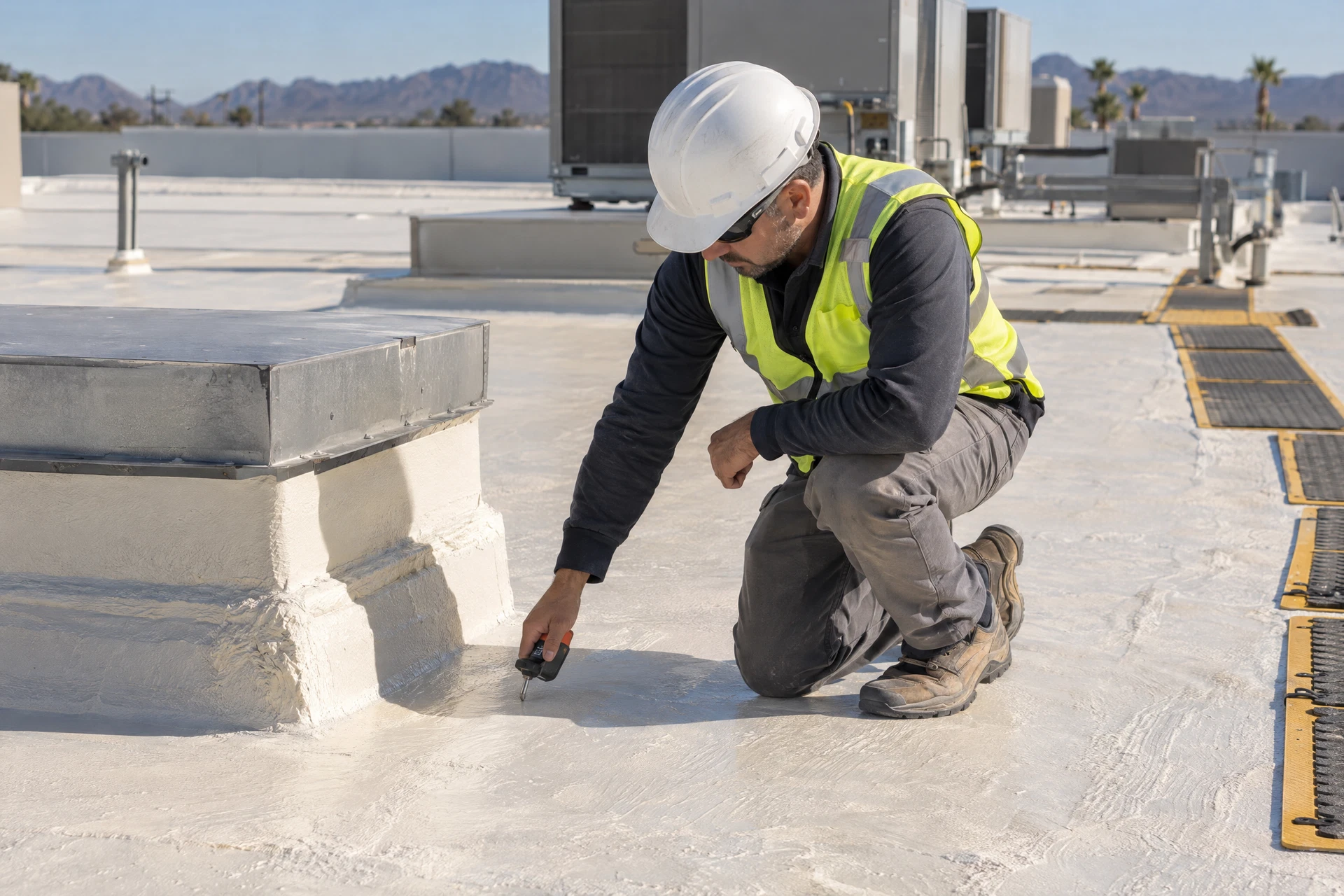
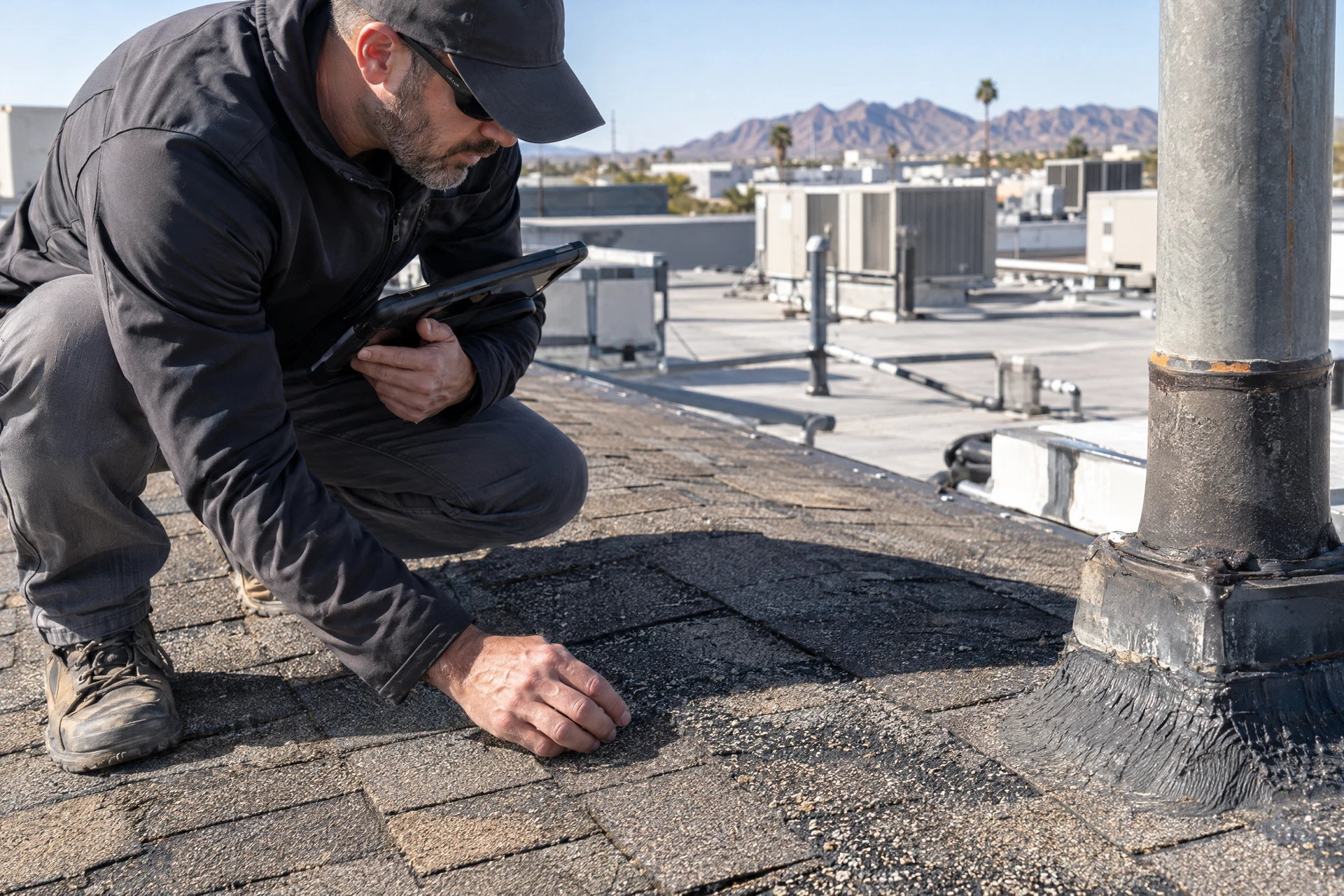
    We review the existing foam, substrate indicators, seams, edges, penetrations, curbs, drains, rooftop equipment, access routes, and visible damage. The inspection establishes which areas need closer review before a system is selected.

  2. 02

    Confirm Dryness And Foam Condition

    The roof is evaluated for dry-substrate readiness, attachment, surface damage, exposed areas, and conditions that could affect new foam. Areas outside the recoverable scope are identified rather than folded into a blanket application.

  3. 03

    Set Protection Controls

    We map HVAC intakes, sensitive equipment, walls, vehicles, walkways, occupied areas, and staging zones. The work plan defines masking, access limits, sequencing, and communication points for the property team.

  4. 04

    Prepare And Apply

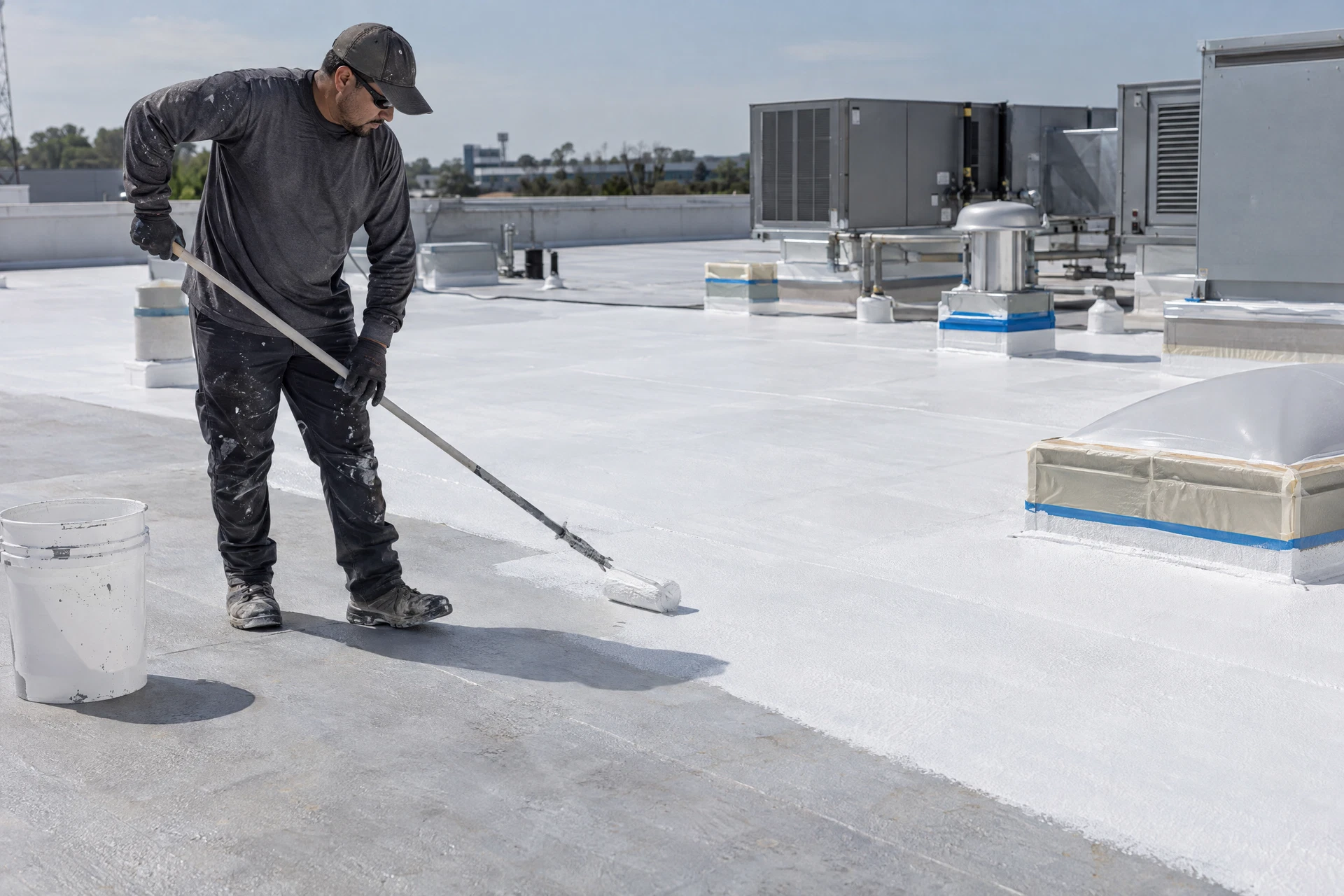
    Approved preparation is completed before foam work. Application follows the specified system and site controls, with attention to edges, penetrations, transitions, and the areas identified during inspection.

  5. 05

    Protect And Review

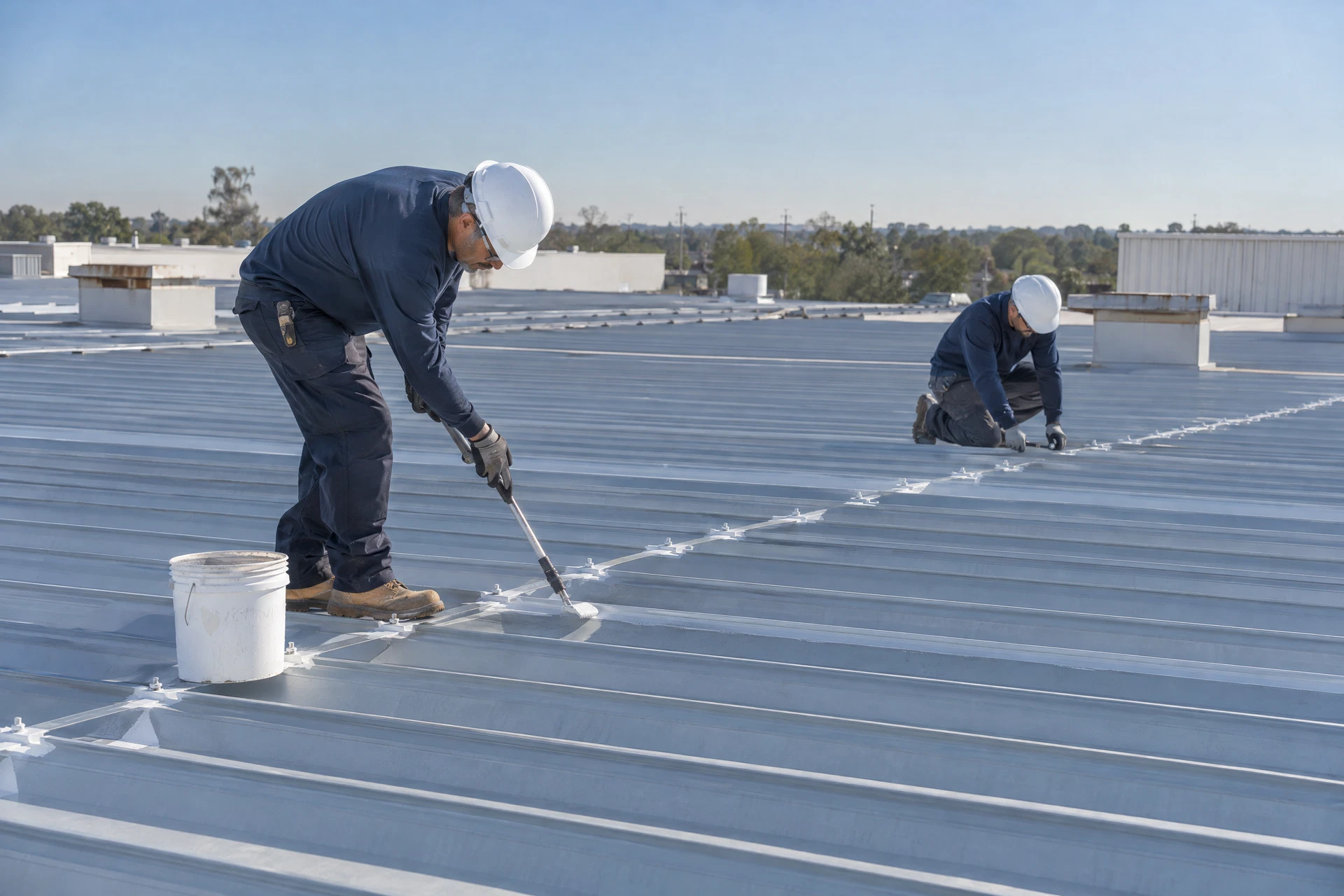
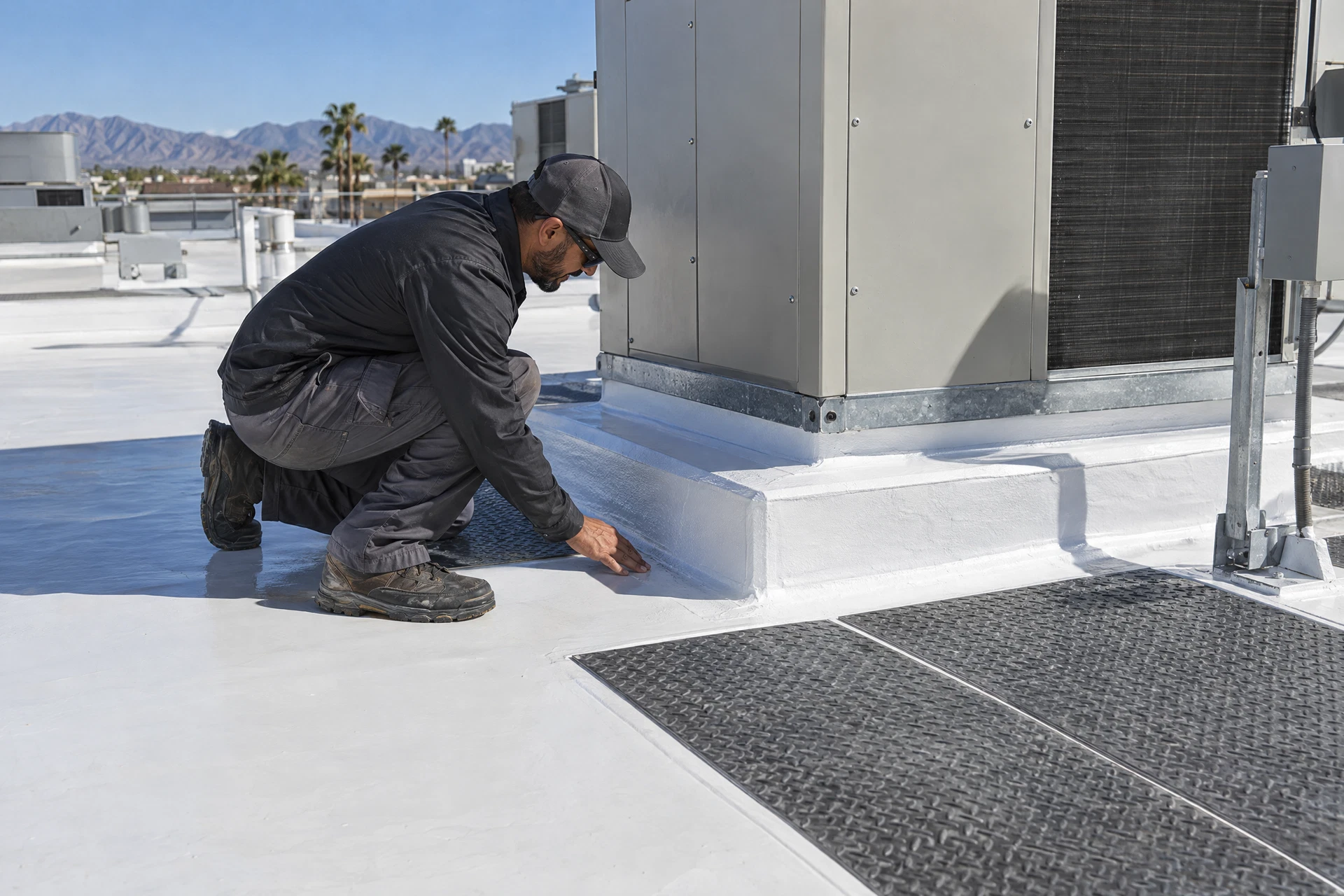
    The protective topcoat is applied to the specified finish, then the roof is reviewed for coverage, details, controls, and visible completion items. The final scope notes maintenance-sensitive areas and future access considerations.

Commercial roof detail inspection

Commercial Site Control Checklist

Commercial Site Control Checklist

Spray foam work affects more than the roof surface. Use this checklist to prepare ownership, facilities, tenants, and rooftop service teams for a controlled application window.

HVAC Intake Review

Identify intake locations, operating requirements, shutdown coordination, and protection boundaries before application begins.

  • Mark intakes
  • Confirm equipment access
  • Set communication owner

Overspray Protection

Map sensitive surfaces and active areas below or beside the work zone. Confirm masking, exclusion areas, and inspection points with the property team.

  • Protect vehicles
  • Protect walls and walkways
  • Control staging

Roof Traffic

List routine service routes and planned rooftop visits. The finished system should have a clear approach to foot traffic and equipment servicing.

  • Mark service paths
  • Coordinate vendors
  • Avoid unplanned access

Weather Window

Application conditions, curing needs, wind, and surface dryness must be reviewed before the work window is set. The roof plan follows material requirements and current site conditions.

  • Check surface dryness
  • Review wind exposure
  • Protect cure time

Spray Foam Roofing Questions

Spray Foam Roofing Questions

Property owners and facility managers need clear answers before approving foam work. These open Q&A cards explain the key gates without treating every commercial roof as the same.

Does the substrate need to be dry before spray foam roofing?

Yes. Dry-substrate readiness is a central gate for spray foam roofing. Moisture can affect adhesion and may signal a roof condition that needs separate attention. The inspection reviews visible moisture indicators and identifies areas requiring closer evaluation before application. Foam should not be used to conceal a wet or unresolved roof condition.

Can damaged foam receive a new spray foam layer?

Sometimes, after the damaged areas are evaluated and prepared. Cuts, gouges, loose sections, exposed foam, erosion, and failed details can change the scope. Localized preparation may support recovery, while widespread deterioration or poor attachment may point toward removal or another roof plan. The decision follows documented condition findings.

How are overspray and HVAC areas controlled?

The work plan maps HVAC intakes, rooftop equipment, walls, vehicles, walkways, occupied areas, and staging zones. Protection can include masking, exclusion areas, access limits, sequencing, and communication with the property team. These controls are established before application so sensitive areas are part of the scope, not an afterthought.

Does spray foam roofing need a protective topcoat?

A protective topcoat is part of the planned foam system when the specified assembly requires it. The finish selection and application scope depend on the prepared foam, roof conditions, detail coverage, and access expectations. The completed roof still needs inspection and careful traffic practices around service routes and equipment.

Can people walk on a spray foam roof after the work?

Rooftop traffic should follow the completed system's access plan. Facilities teams should identify HVAC routes, service points, and regular vendor paths before work begins. Concentrated or unplanned traffic can damage roof surfaces and details. Walk paths and access controls should be discussed during scope review rather than added after completion.

How do you decide between recovering and removing foam roofing?

The decision follows substrate dryness, foam attachment, surface damage, moisture concerns, detail condition, and the extent of deterioration. A recoverable roof has a workable base for the specified system. Widespread failure, unsuitable substrate conditions, or unresolved moisture can move the project toward removal or a different repair and replacement plan.

Can Deer Valley Roof Coating coat commercial roofs with spray foam?

Yes. Deer Valley Roof Coating coats commercial roofs with spray foam roofing when inspection findings support the system and the property can support the required controls. We review dryness, existing foam, rooftop equipment, overspray boundaries, protective topcoat needs, and the recover-versus-remove decision before a scope is set.

Review Your Commercial Foam Roof

Review Your Commercial Foam Roof

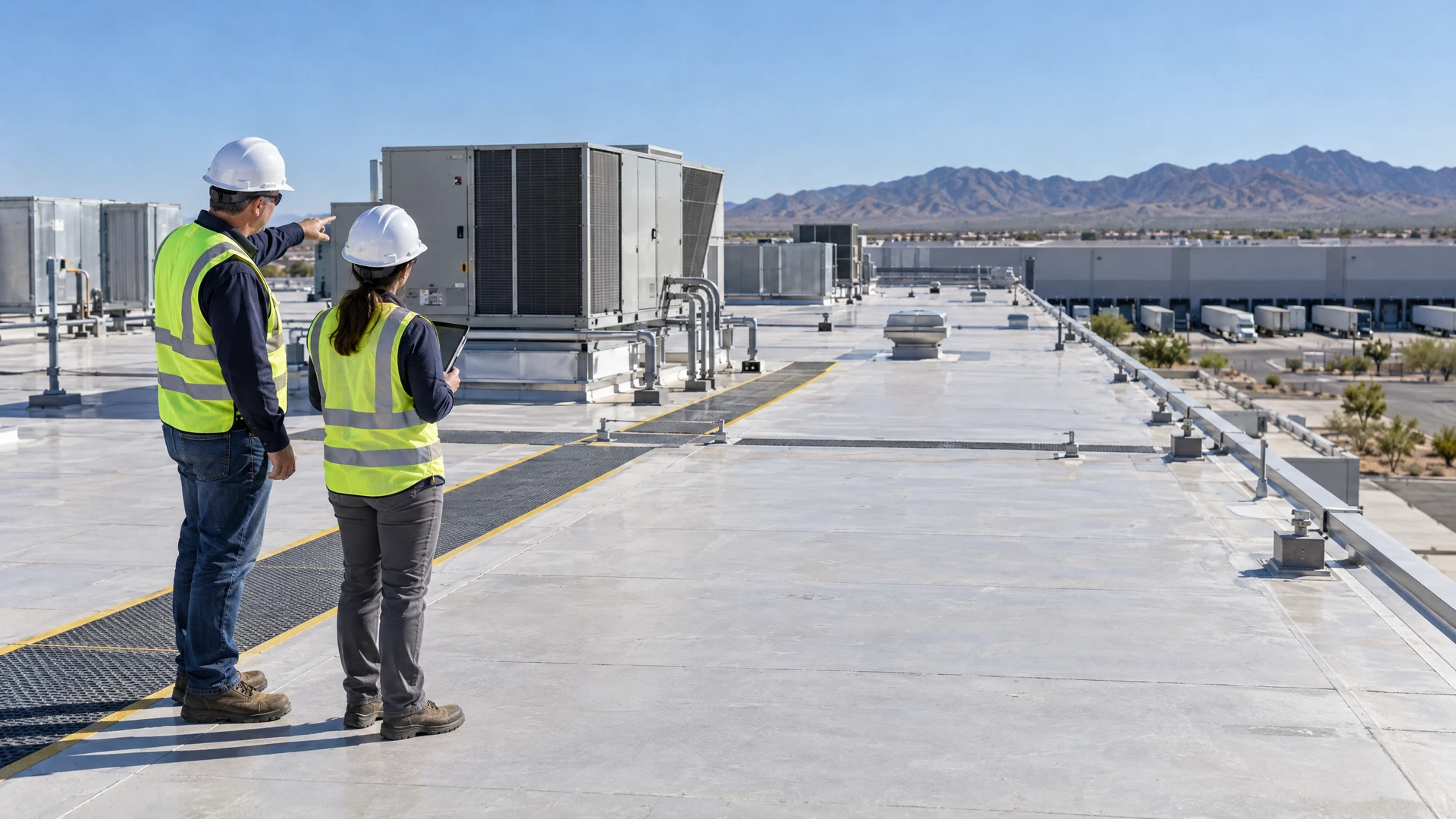
Bring the roof condition, rooftop equipment, access routes, and operating constraints into one discussion. Get a scope built around the actual foam and substrate conditions.

Roof Questions?

Talk About Your Commercial Roof

Leave your name and phone number, or call now to discuss the roof condition.

Call Us
Call Us+1 (623) 310-0168