Commercial roof inspection and planning

Commercial Acrylic Roof Coating

Deer Valley Acrylic Roof Coating

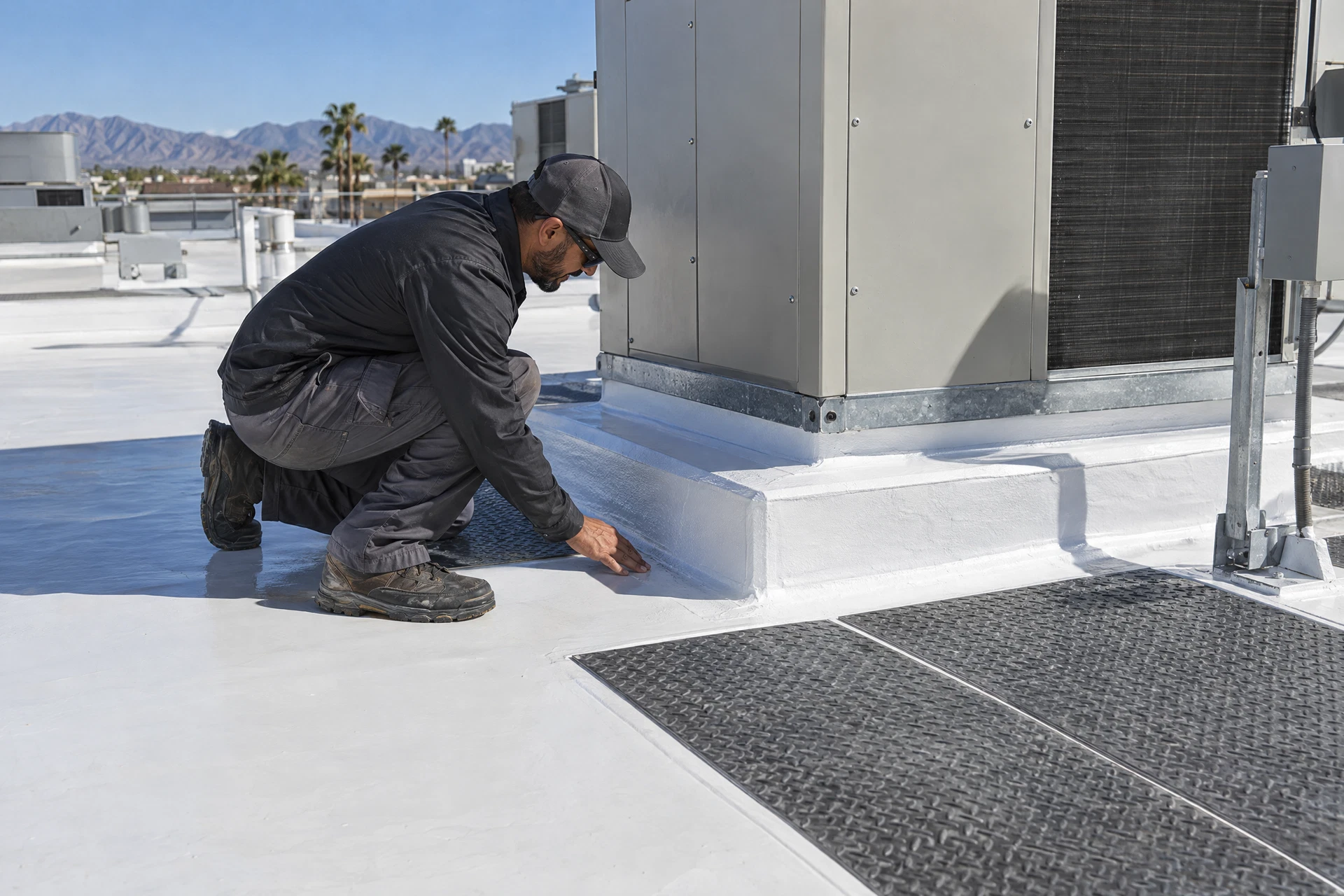
Deer Valley Roof Coating coats commercial roofs with acrylic when the roof condition, drainage pattern, and weather window support the system. Water-based application conditions matter. So do reinforced seams, penetrations, compatible surfaces, and a practical plan for future recoating.

Water-based application needs a dry window

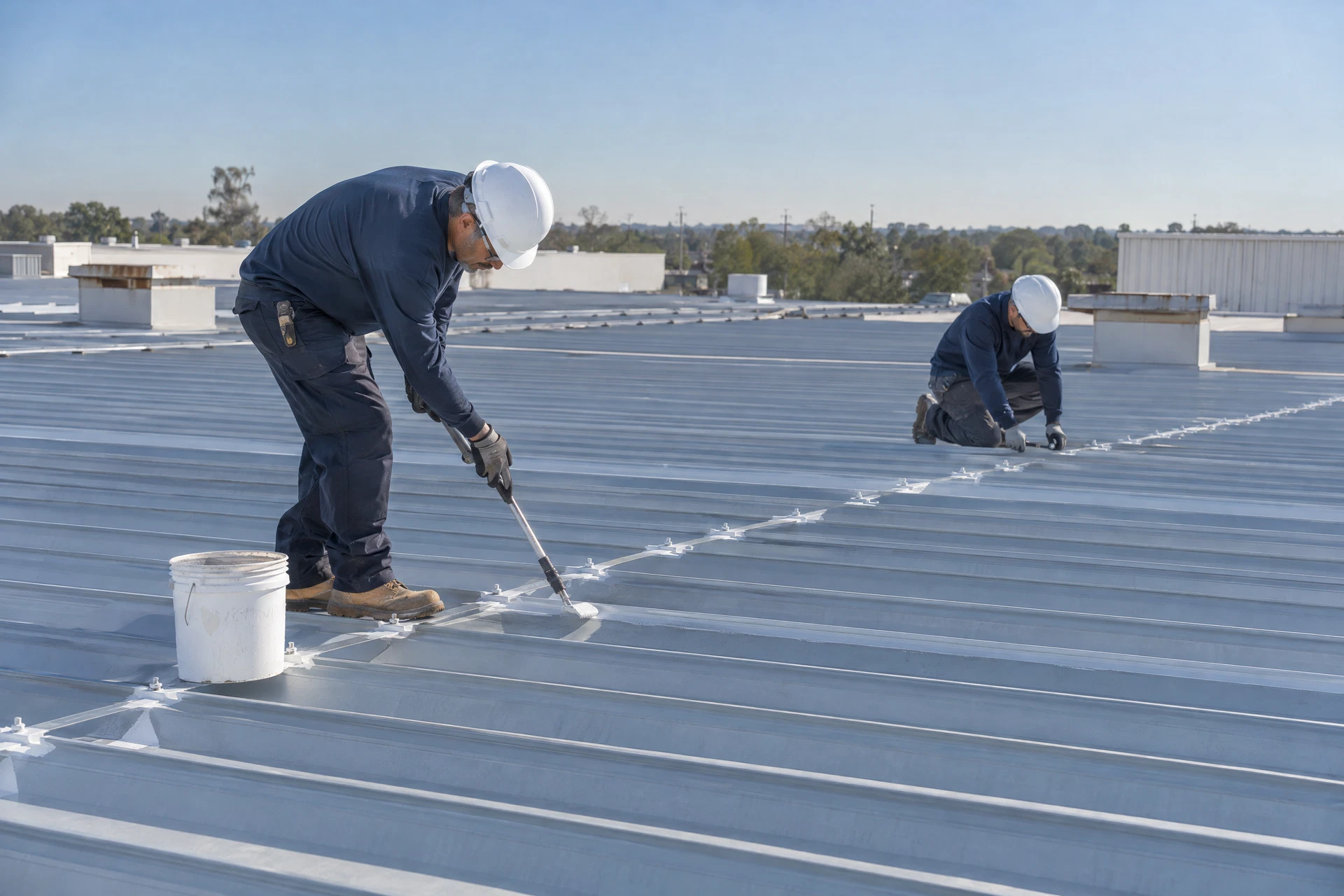
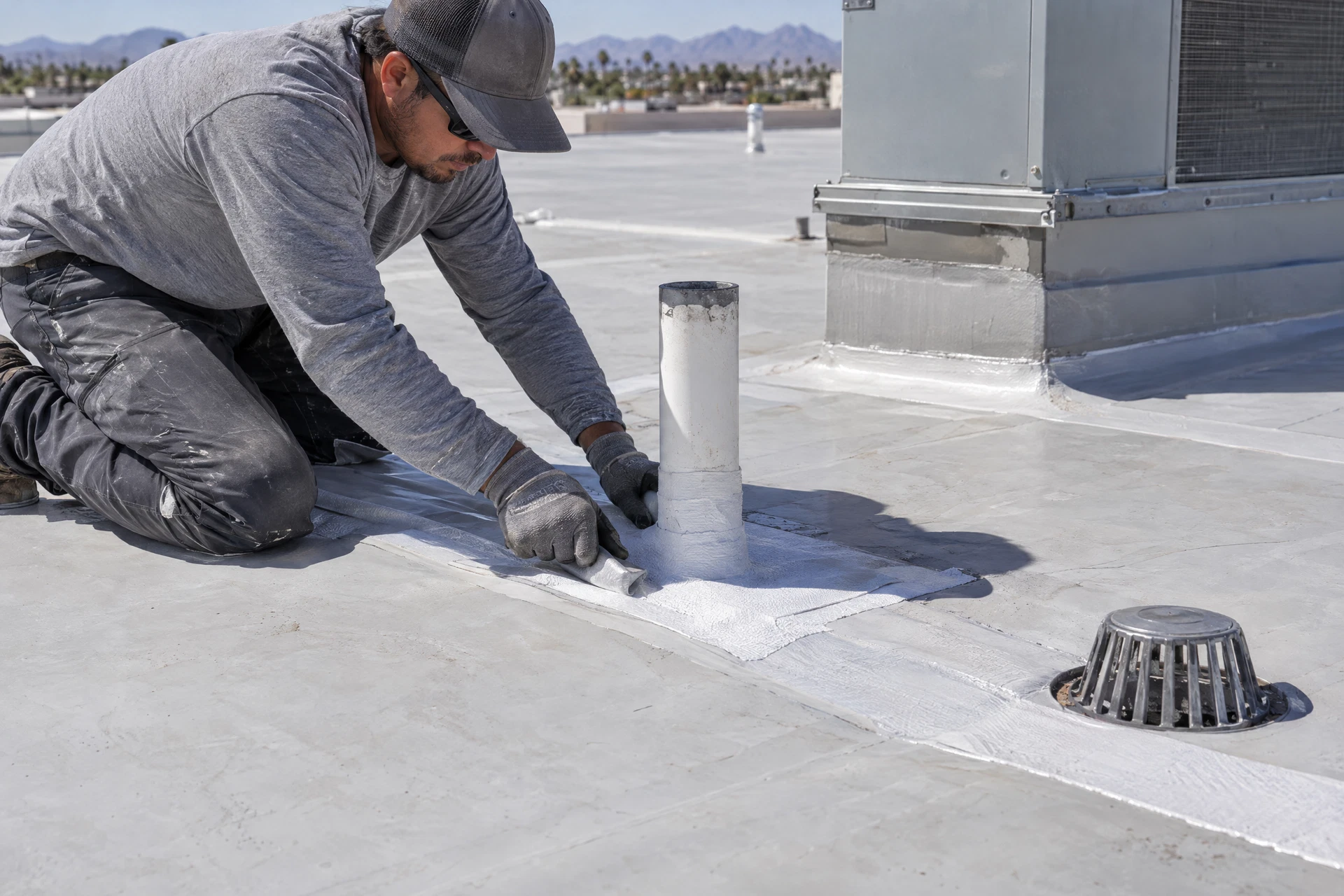
Details need reinforcement before coating

Drainage remains a roof-condition decision

Future recoating starts with sound preparation

Is Acrylic A Fit For Your Roof?

Is Acrylic A Fit For Your Roof?

Acrylic is a water-based coating option, not a default answer for every commercial roof. The inspection should connect substrate condition, drainage, detail work, weather exposure, and future maintenance before material selection.

Acrylic May Fit

Acrylic may fit a commercial roof with a sound, compatible surface, manageable drainage, and a forecast that supports drying. The roof still needs cleaning, preparation, and detail reinforcement before field coating begins.

  • Compatible existing roof surface
  • Dry substrate and usable weather window
  • Details accessible for reinforcement
  • Maintenance plan that includes future recoating
Inspect Before Choosing

The decision changes when the surface is wet, heavily contaminated, poorly bonded, or affected by conditions outside the coating scope. Drainage concerns require investigation and correction planning rather than a promise that coating alone resolves them.

  • Check moisture and adhesion
  • Map drains, seams, penetrations, and transitions
  • Identify areas needing repair-first attention
  • Confirm material compatibility

Plan For The Next Coat

Acrylic work should leave a clear maintenance path. Document the coating system, detail locations, exposed wear areas, and inspection intervals so a future recoat can begin with known conditions instead of guesswork.

  • Record preparation and reinforcement areas
  • Watch high-traffic and service paths
  • Review ponding or recurring moisture
  • Recoat only after renewed inspection

Application Conditions That Matter

Application Conditions That Matter

Acrylic performance starts before the first pass. Use this visible readiness checklist to keep water-based application decisions tied to roof conditions and the work window.

Dry Substrate

The roof surface must be dry enough for preparation and application. Moisture beneath or within the assembly can change adhesion and may require further investigation before coating work proceeds.

  • Review recent moisture exposure
  • Check suspect areas
  • Do not coat over unresolved wet conditions

Weather Window

Water-based acrylic needs suitable drying conditions. The work plan should account for rain risk, humidity, temperature, wind, and overnight conditions that could interrupt drying or expose uncured material.

  • Confirm forecast before each work phase
  • Protect uncured areas
  • Plan around changing weather

Prepared Surface

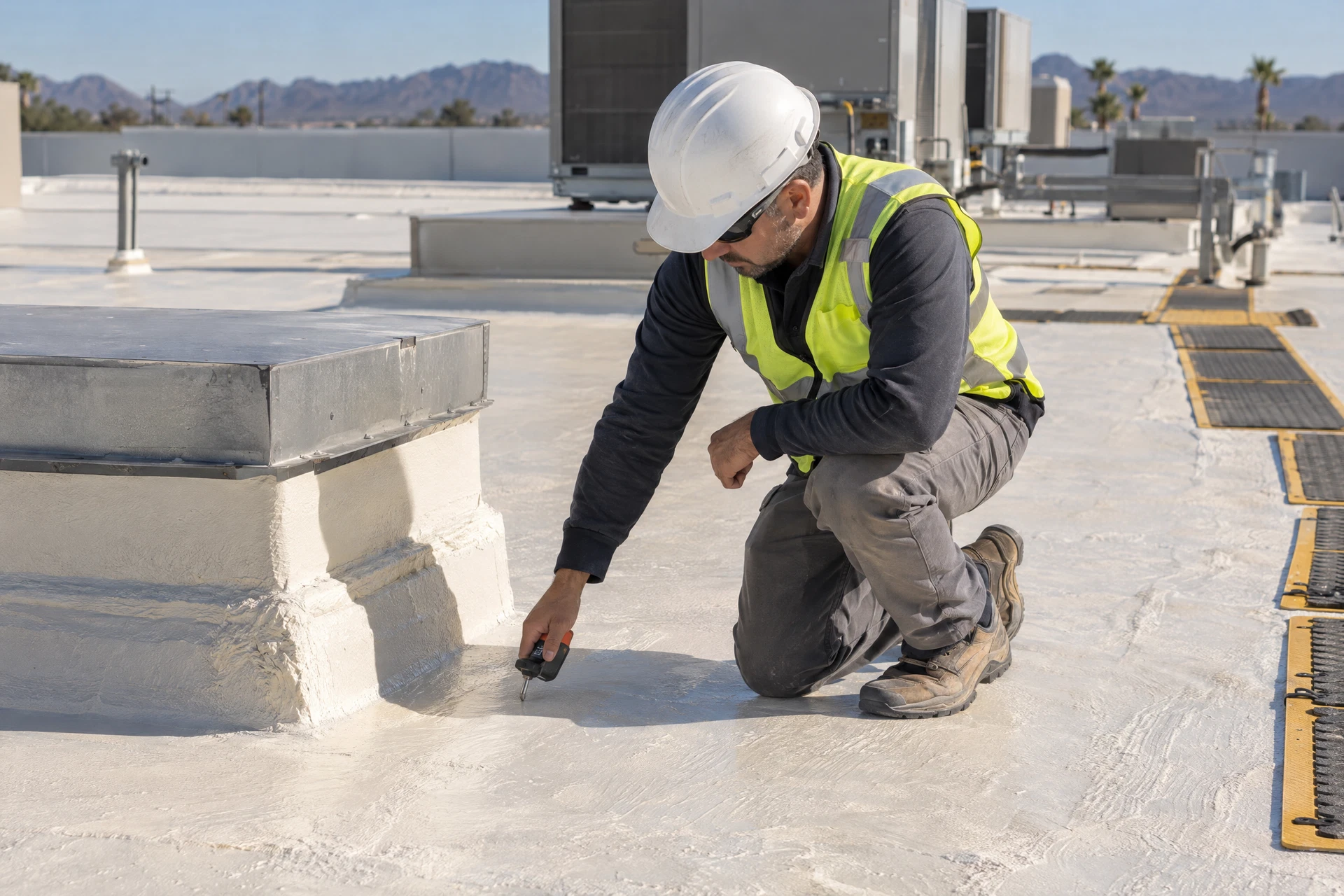
Dirt, loose material, incompatible residue, and weakly bonded areas can undermine the coating assembly. Preparation should match the existing roof and the conditions found during inspection.

  • Clean compatible surfaces
  • Remove loose or failing material
  • Confirm adhesion before broad application

Accessible Details

Seams, fasteners, penetrations, edges, curbs, and transitions need deliberate attention. Detail reinforcement is a separate part of the work, not an assumption hidden inside field application.

  • Map detail locations
  • Use compatible reinforcement materials
  • Inspect detail work before field passes

Drainage Review

A coating does not fix drainage or structural damage. Review water flow, drains, low areas, and recurring ponding, then separate coating-ready work from repair or further investigation.

  • Observe low areas
  • Check drain access
  • Document conditions that need another scope

Commercial Roof Coating Options for Deer Valley

Commercial Roof Coating Options for Deer Valley

Acrylic is one approved service among several commercial roof coating options. Material selection should follow the roof assembly, condition, detail requirements, and operating constraints found during inspection.

Commercial roofing detail for Acrylic Roof Coating

Acrylic Roof Coating

Water-based acrylic can be considered when the existing roof is compatible, adequately prepared, and supported by a suitable drying window. Drainage review and future recoat planning remain part of the decision.

Explore Acrylic Roof Coating
Commercial roofing detail for Metal Roof Coating

Metal Roof Coating

Metal roof coating focuses on panel condition, corrosion, seams, fasteners, movement, and penetrations. Those details determine whether coating is appropriate or whether specific repairs need attention first.

Explore Metal Roof Coating

Benefits of Coating Your Roof

Benefits of Coating Your Roof

When an acrylic system fits the roof, the value comes from a planned coating assembly and disciplined maintenance. Benefits depend on preparation, detail work, drainage conditions, and continued inspection.

A Reflective Surface

A properly selected acrylic coating can provide a reflective surface across suitable roof areas. The result depends on coverage, film build, substrate condition, and the coating system specified for the roof.

A Defined Detail Layer

Reinforced seams, penetrations, edges, and transitions give detail locations deliberate treatment. This helps the roof team track high-attention areas during installation and later inspections.

A Recoat Path

A documented acrylic assembly can support future maintenance decisions. Recoating still requires inspection, cleaning, adhesion review, and confirmation that the existing surface remains suitable.

A Manageable Scope

A condition-led coating plan separates preparation, detail reinforcement, field application, drainage observations, and repair-first areas. That structure helps property owners understand what the coating scope does and does not address.

Our Acrylic Coating Process

Our Acrylic Coating Process

The process keeps water-based application conditions, detail work, and drainage observations visible from inspection through future maintenance planning.

  1. 01

    Inspect Your Roof

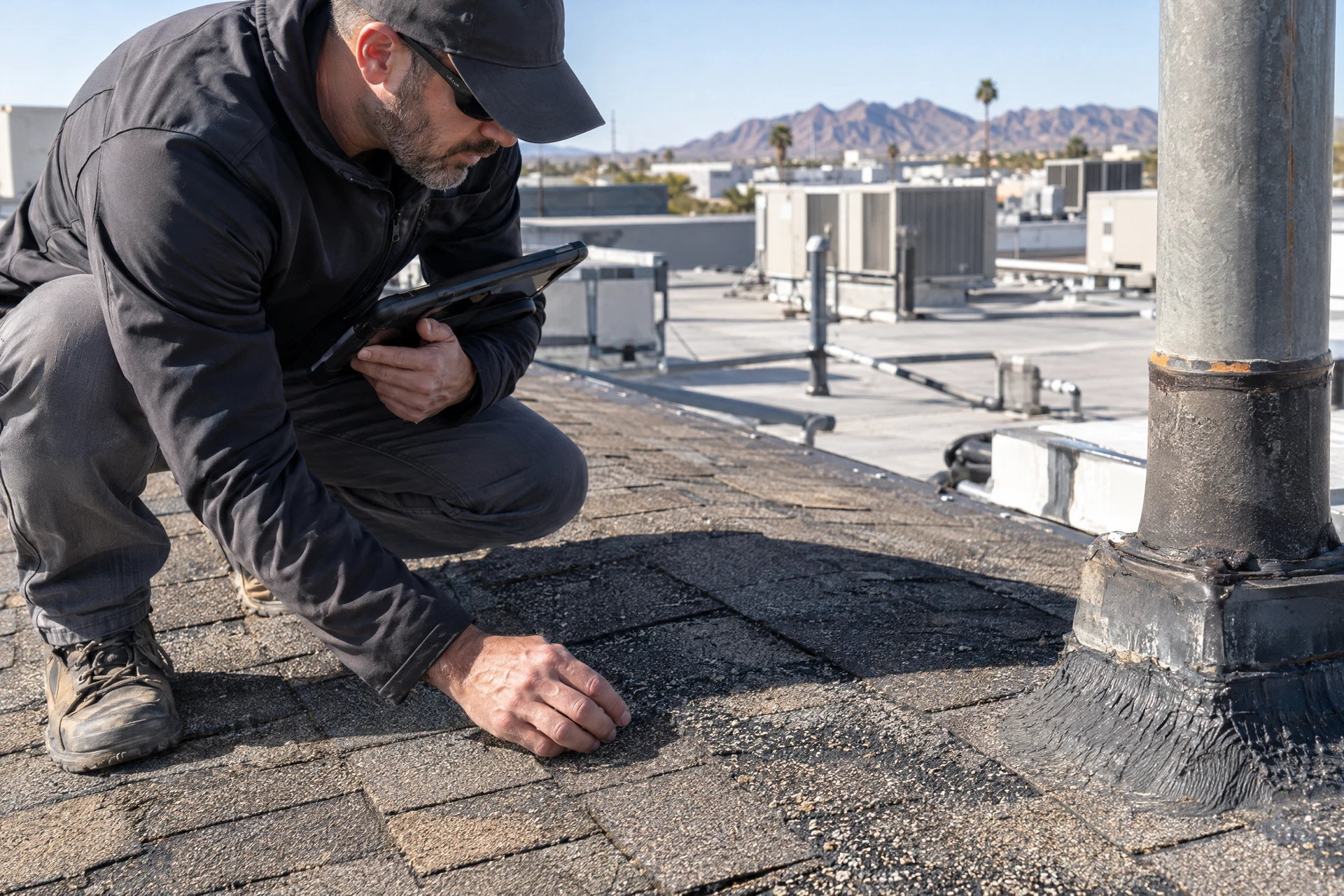
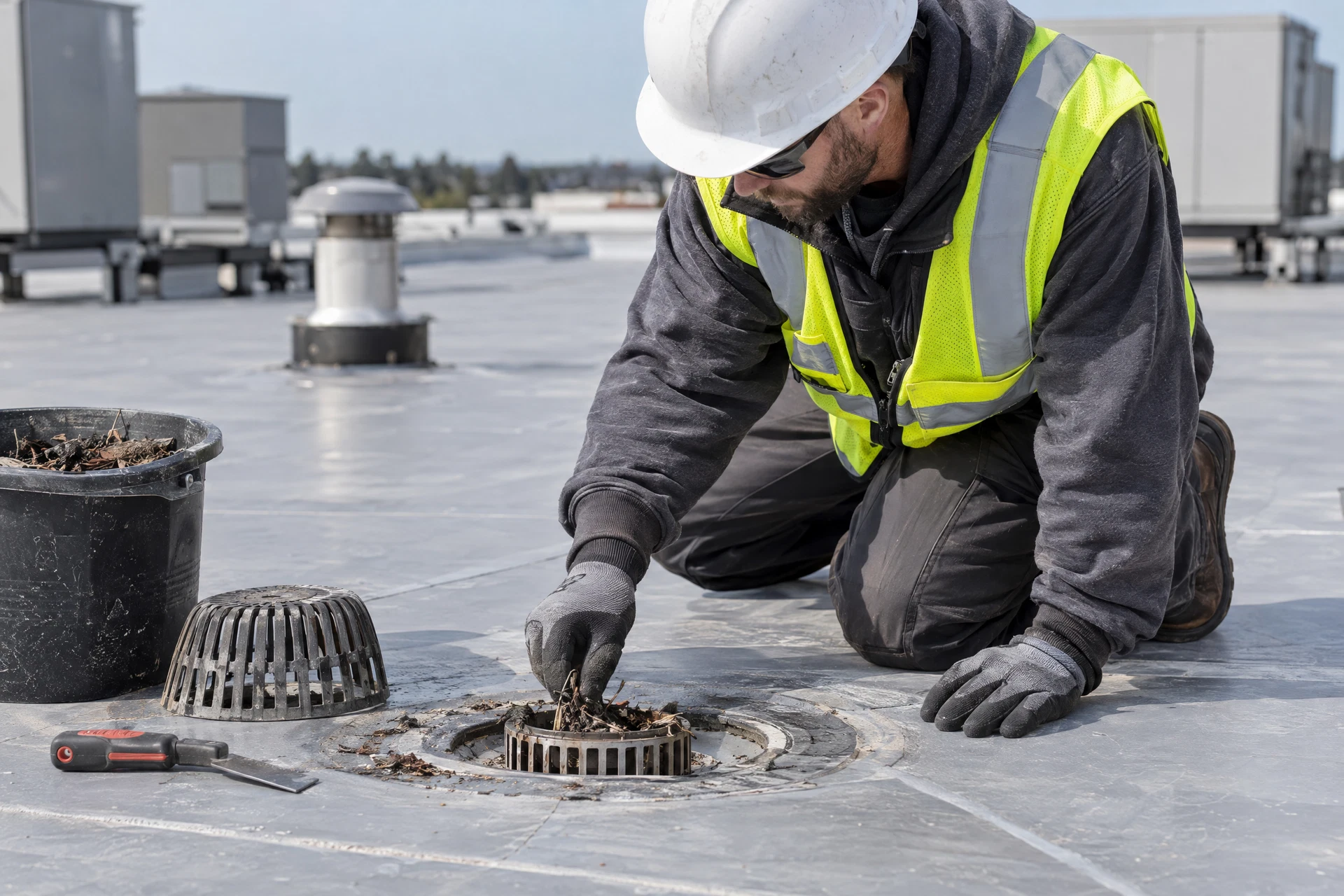
    Review the roof assembly, surface condition, moisture indicators, drainage pattern, seams, penetrations, edges, equipment areas, and access constraints. Separate coating-ready areas from conditions needing another decision.

  2. 02

    Define Preparation

    Set the cleaning, removal, drying, adhesion, and surface-preparation steps that match the existing roof. Identify materials or areas that require compatibility confirmation before application.

  3. 03

    Reinforce Details

    Treat seams, penetrations, fasteners, transitions, edges, curbs, and other identified details with compatible reinforcement. Review this work before broad field coating continues.

  4. 04

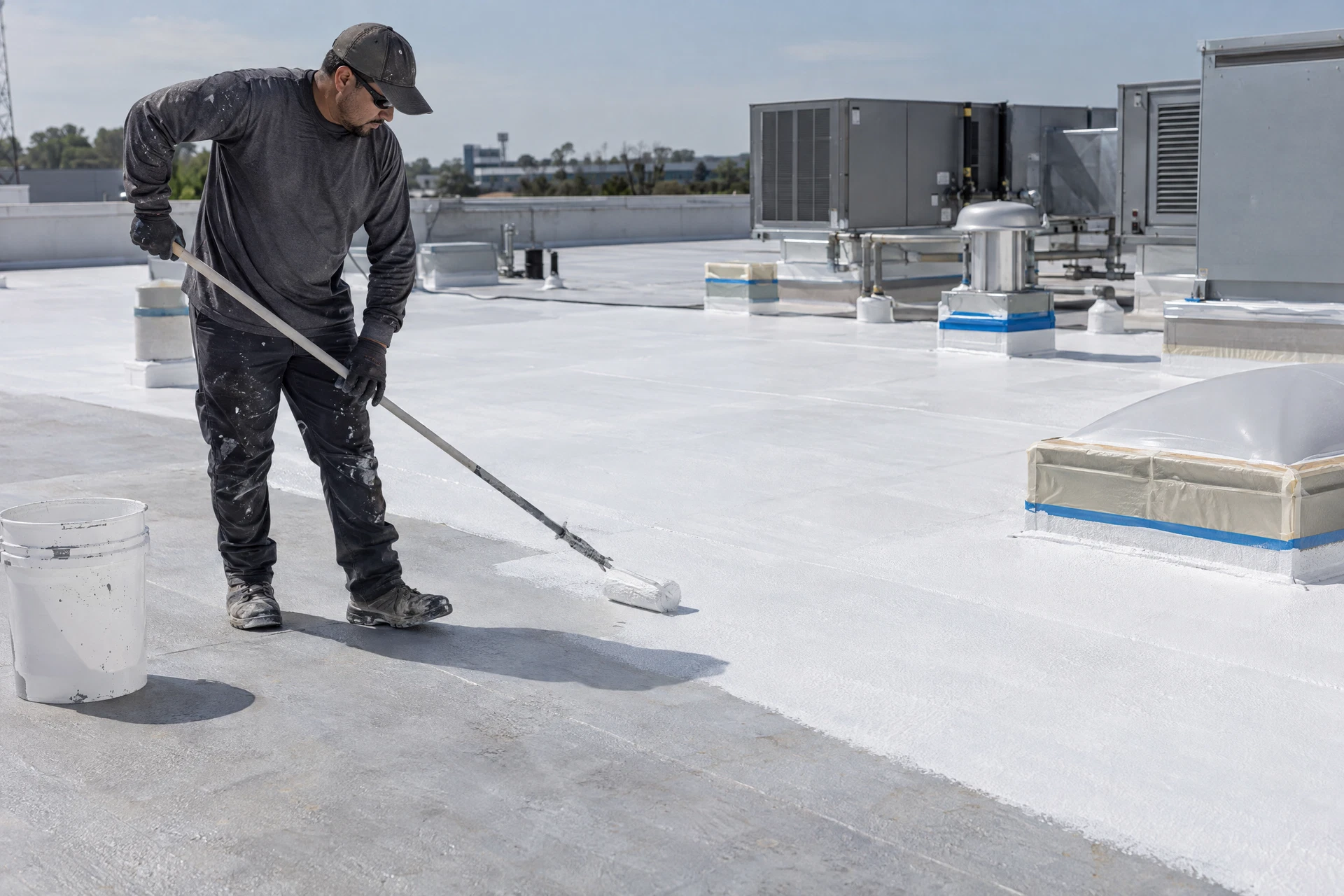
    Apply Acrylic

    Apply the water-based acrylic system within suitable conditions and according to the selected coating requirements. Monitor coverage, film build, drying, and changing weather during each work phase.

  5. 05

    Review And Maintain

    Document completed areas, detail locations, drainage observations, and maintenance considerations. Future recoating begins with a new inspection, not an automatic assumption that every area remains ready.

Commercial roof detail inspection

Conditions That Change The Plan

Conditions That Change The Plan

Acrylic selection becomes more precise when common failure modes are identified early. Use the inspection to assign each condition to preparation, reinforcement, repair-first review, or another service option.

Wet Or Unready Surface

Water-based coating over an unready surface can create adhesion and drying concerns. Hold the coating decision until moisture and substrate readiness are understood.

Weak Adhesion

Existing layers that are loose, chalking, or poorly bonded may not provide a stable base. Test representative areas and define removal or alternate preparation where needed.

Unreinforced Details

Field coating cannot replace deliberate treatment at seams, penetrations, edges, and transitions. Detail locations need their own preparation and reinforcement review.

Recurring Ponding

Low areas and recurring ponding require investigation. Acrylic coating alone does not correct drainage, structural damage, or wet insulation, so those conditions need separate planning.

Unplanned Recoat

Applying another layer without checking adhesion, wear, dirt, moisture, and compatibility can create avoidable problems. Future recoating should follow a current inspection and preparation plan.

Acrylic Roof Coating Questions

Acrylic Roof Coating Questions

These answers address the conditions property owners and facility managers should review before selecting acrylic for a commercial roof.

Is acrylic roof coating suitable for every commercial roof?

No. Acrylic selection depends on the existing roof material, surface condition, moisture, adhesion, drainage, detail locations, and application weather. A compatible, prepared surface with a workable drying window may support acrylic. A wet, poorly bonded, heavily damaged, or unsuitable roof may need repair-first review or another approved service.

Why do water-based application conditions matter?

Acrylic is water-based, so drying conditions affect the work plan. Rain risk, humidity, temperature, wind, overnight moisture, and substrate dryness all deserve review. Uncured material can be exposed to changing conditions, while a damp surface can affect adhesion. The application window should be confirmed for each work phase.

Can acrylic roof coating fix drainage problems?

No. Coating does not fix drainage, structural damage, or wet insulation. Drains, low areas, water flow, and recurring ponding should be investigated separately. The inspection can identify coating-ready areas and conditions that need another scope, correction plan, or further evaluation before coating is selected.

What detail work does an acrylic roof coating project include?

Detail work can include seams, penetrations, fasteners, edges, curbs, transitions, and other locations identified during inspection. These areas may need cleaning, compatible materials, reinforcement, and a review before field coating. The exact detail scope follows the existing roof and the conditions found above the occupied space.

Can an acrylic roof be recoated later?

A future recoat may be possible when the existing acrylic remains compatible, adequately bonded, and properly prepared. Recoating is not automatic. The surface should be inspected for wear, dirt, moisture, adhesion, detail condition, and drainage concerns. Cleaning and preparation requirements should be defined before another layer is applied.

What should property owners review before choosing acrylic?

Review the roof assembly, current condition, water flow, drains, penetrations, access, rooftop equipment, operating constraints, and expected maintenance path. Ask which areas are coating-ready, which need detail reinforcement, and which require repair-first attention. Deer Valley Roof Coating can discuss the scope by phone at +1 (623) 310-0168.

Next Roof Step

Get A Clear Starting Point

Bring the roof condition, access concerns, and building details into one commercial coating discussion.

Roof Questions?

Talk About Your Commercial Roof

Leave your name and phone number, or call now to discuss the roof condition.

Call Us
Call Us+1 (623) 310-0168