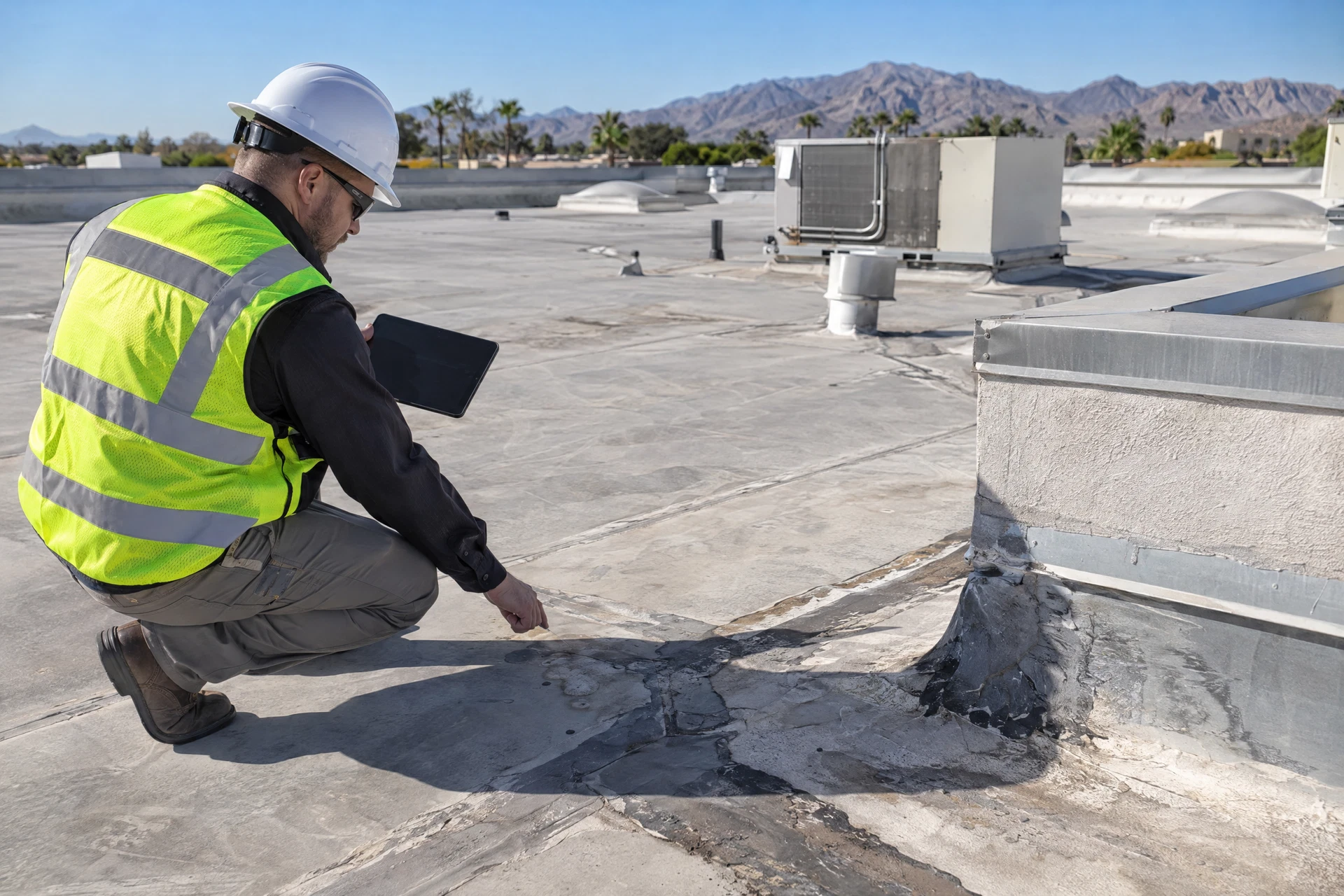
Commercial roof inspection and planning

Commercial roof coating for New River properties

New River Roof Coating

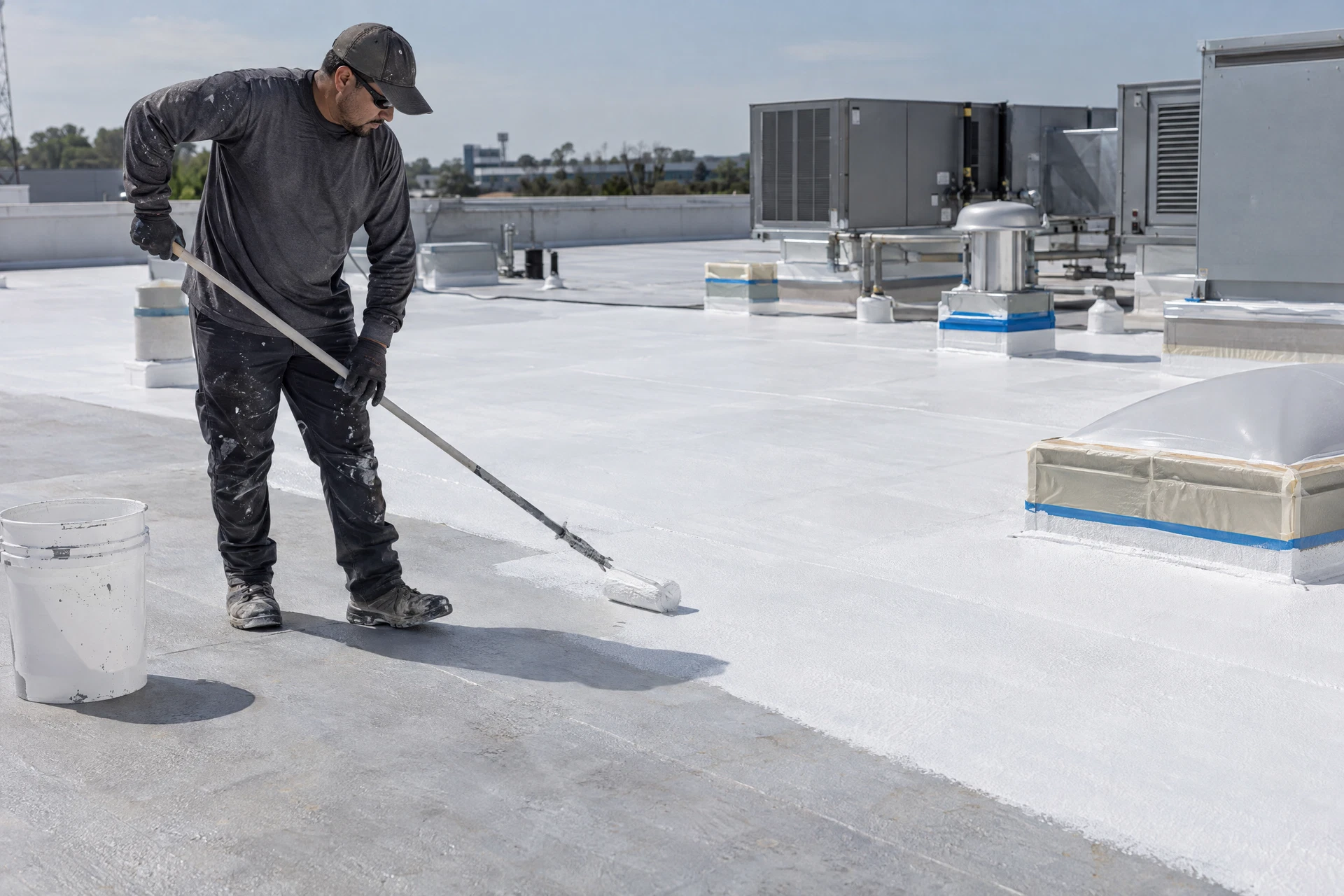
Deer Valley Roof Coating coats commercial roofs in New River. We align weather windows, roof-condition records, and material selection before work begins, so the coating decision follows what the roof can support.

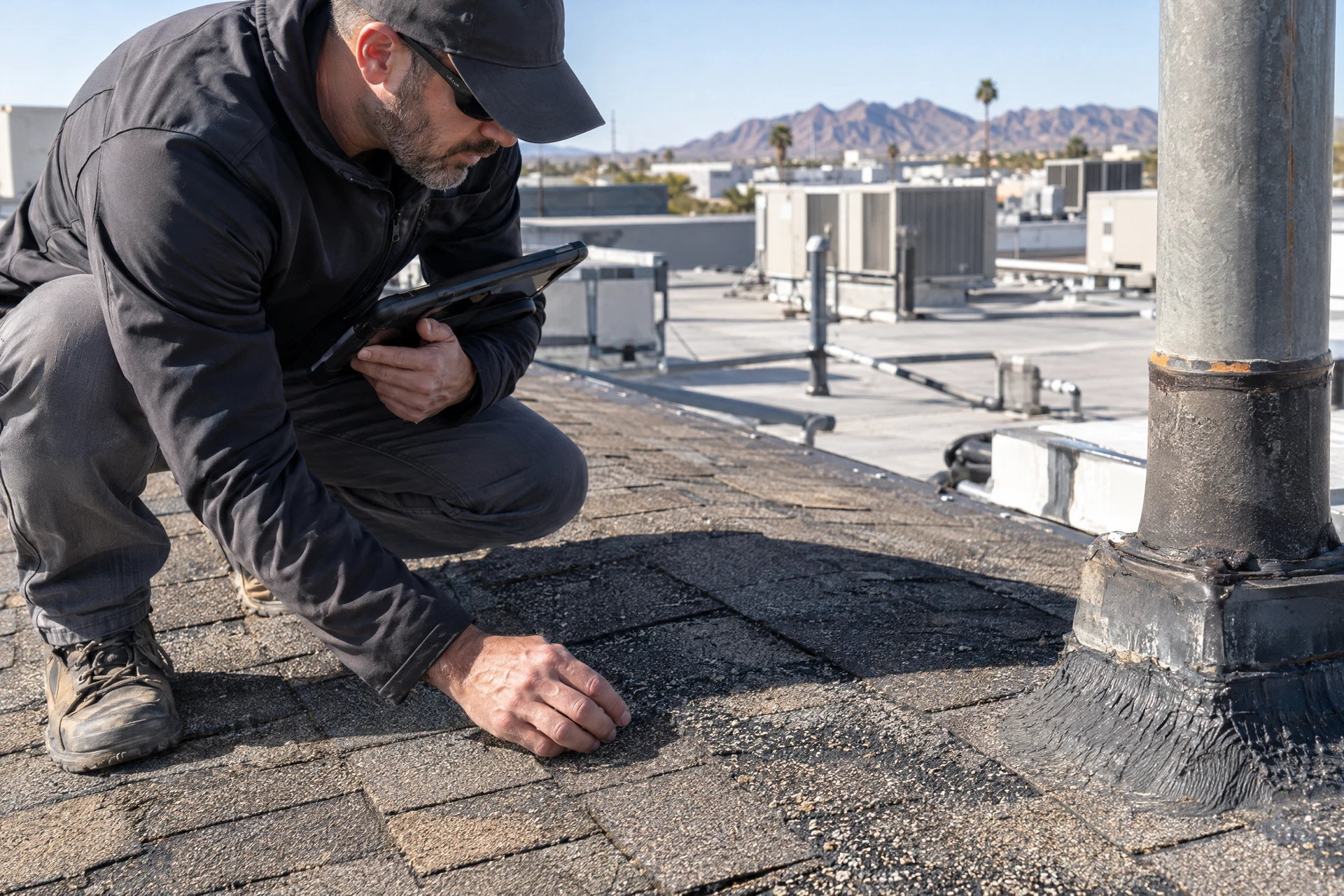
Condition records guide material selection

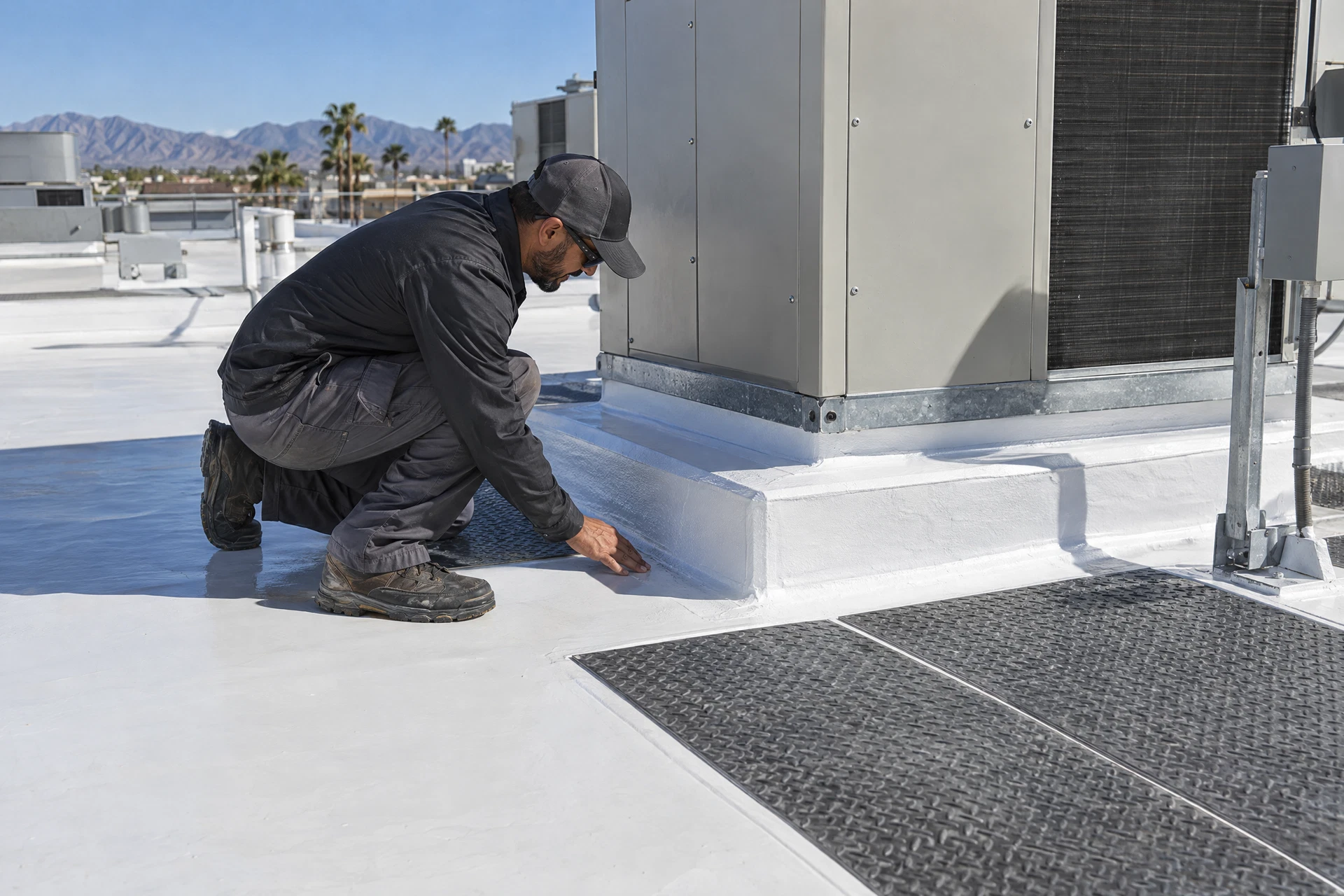
Weather windows shape application planning

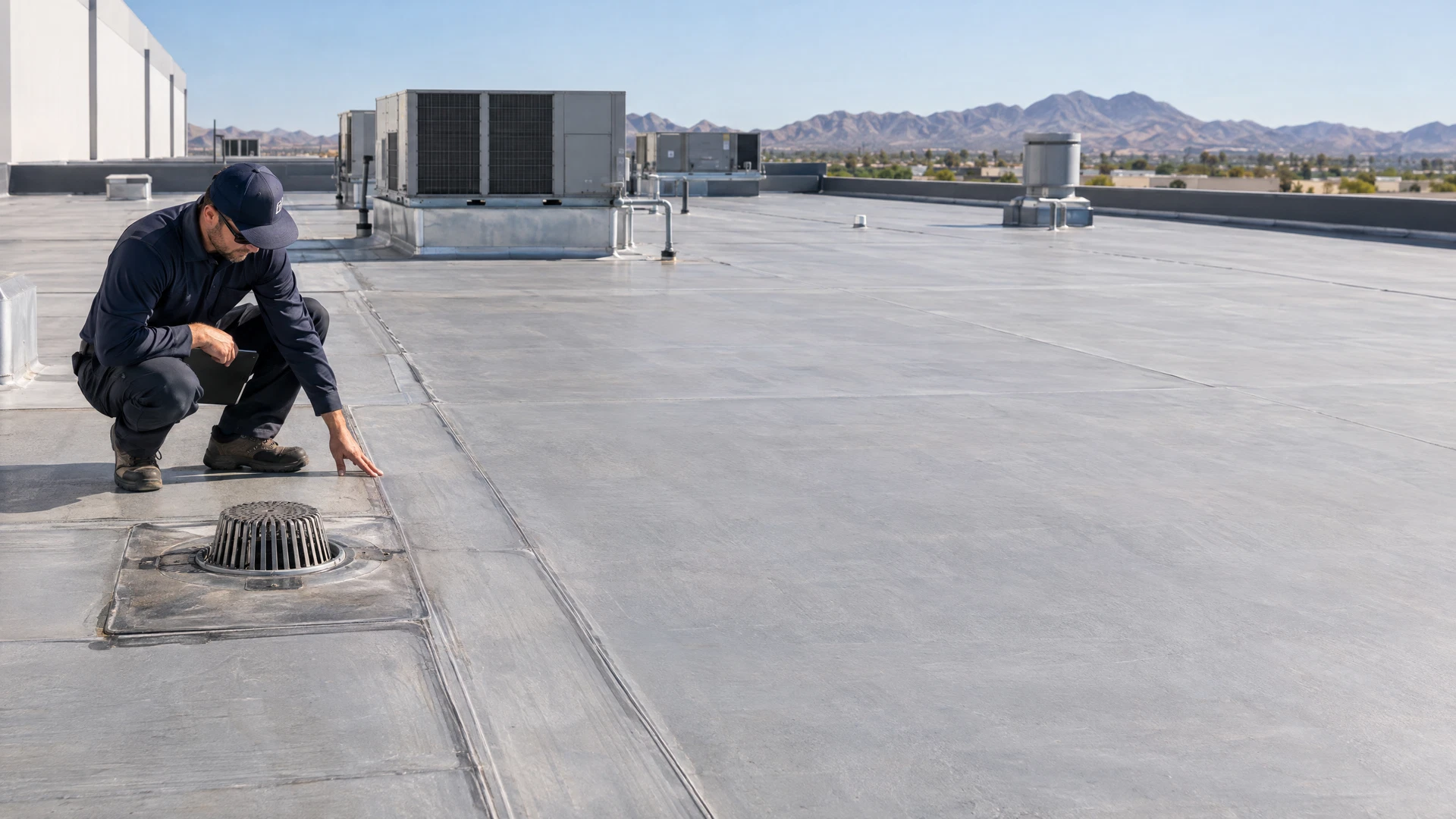
Commercial roofs receive coating review

Call +1 (623) 310-0168

Plan Around Roof Conditions

Plan Around Roof Conditions

New River roof work needs a clear record of what is visible, what has been repaired, and what remains uncertain before a coating system is selected.

Commercial roof access and inspection planning

Build A Useful Roof Record

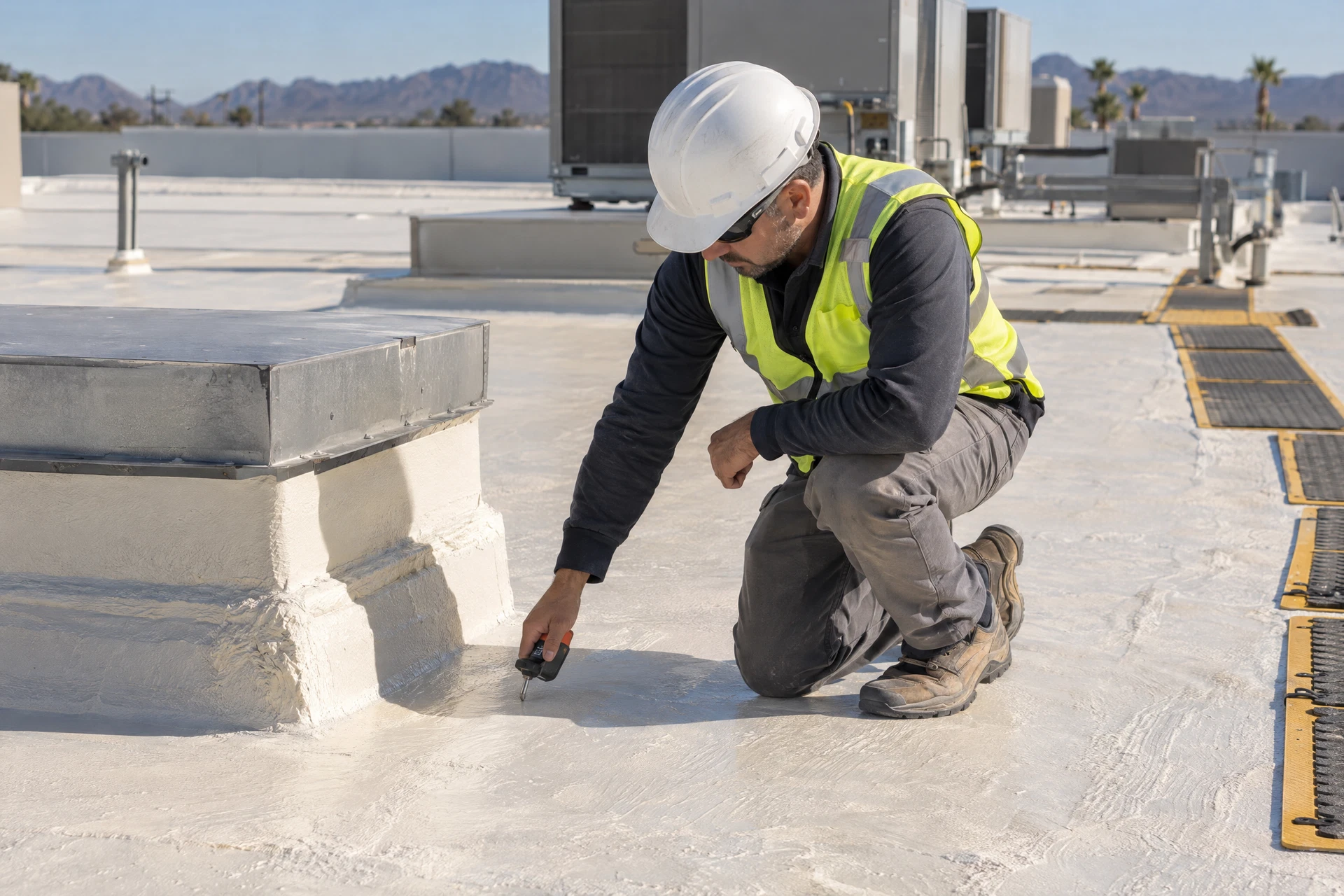
A roof record can note membrane or panel type, visible wear, seams, fasteners, penetrations, drains, equipment, previous repairs, and areas that need closer review. Clear notes give property owners and facility managers a practical basis for discussing coating readiness.

  • Roof surface and material identification
  • Condition notes by roof area
  • Photos or marked inspection references
  • Questions that require follow-up

Set A Workable Weather Window

Coating work depends on a suitable substrate and application window. Phoenix monsoon season is officially June 15 through September 30, so weather exposure belongs in the planning conversation. A date is not treated as a guarantee before conditions are reviewed.

  • Review recent and expected weather
  • Protect prepared areas from exposure
  • Coordinate access with building operations
  • Confirm conditions before application

Roof Conditions That Change The Plan

Roof Conditions That Change The Plan

Material choice follows roof condition. These review points help separate coating-ready areas from work that needs a different decision first.

Moisture In The Assembly

Visible moisture, trapped moisture, or uncertain substrate conditions can affect adhesion and long-term performance. The record should identify what was checked and which areas need additional evaluation before material is selected.

Open Seams And Details

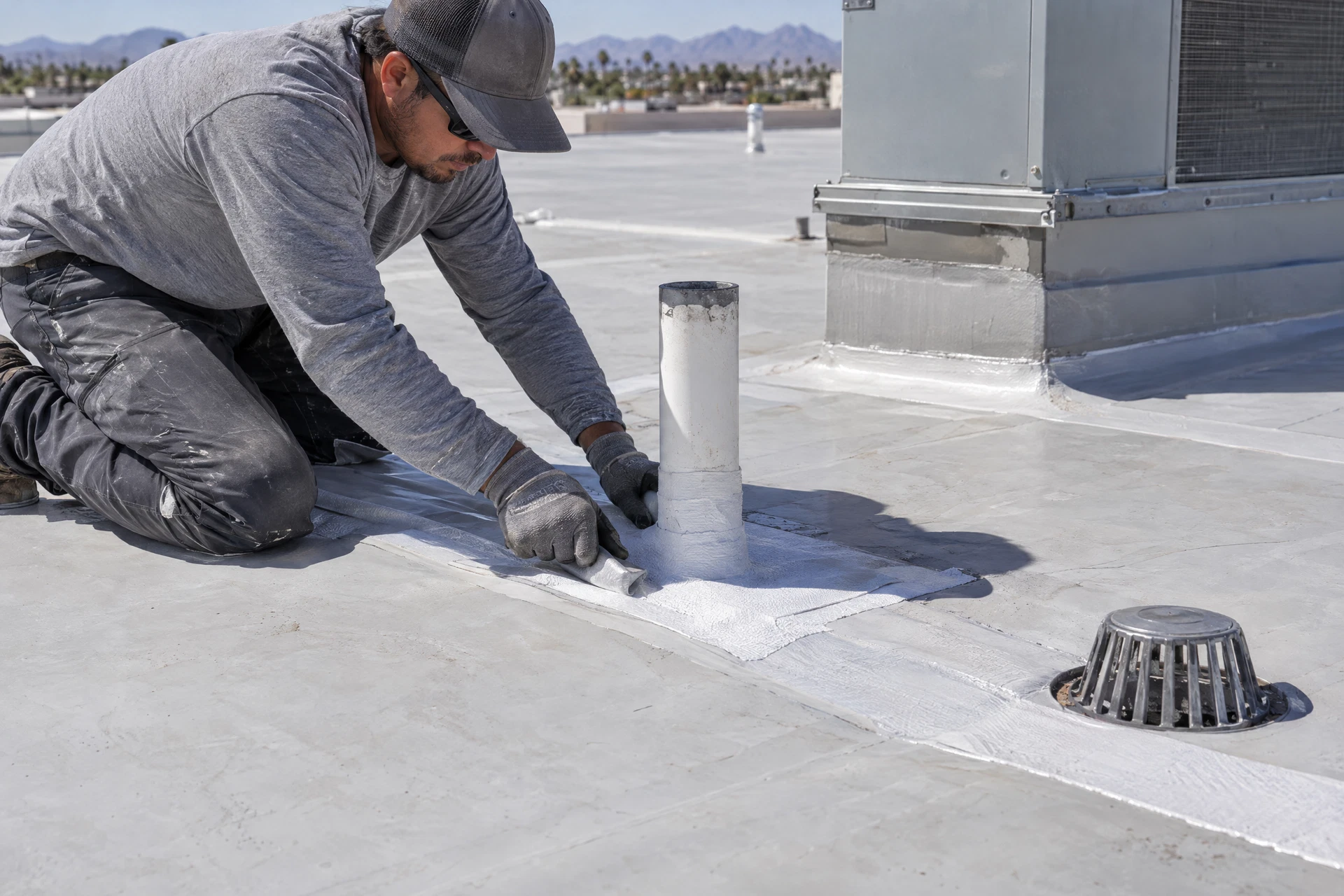
Seams, penetrations, curbs, edges, and fasteners receive close attention because small details can control whether a coating plan is practical. Detail work belongs in the scope rather than being left to a final walk-through.

Existing Surface Contamination

Dust, residue, loose material, and incompatible previous coatings can interfere with preparation or adhesion. The surface record should identify cleaning, removal, or primer questions before a system is chosen.

Damage Beyond Coating Scope

Structural damage, wet insulation, major deterioration, and drainage concerns require separate evaluation. A coating should not be presented as a cure for those conditions. The next step may involve repair, replacement, or further investigation.

Unclear Material History

When prior repairs or coatings are undocumented, compatibility becomes a planning question. Record what can be identified, flag unknowns, and select a material only after the surface and existing layers are considered together.

Benefits of Coating Your Roof

Benefits of Coating Your Roof

A condition-led coating plan gives commercial property owners a clearer way to organize roof work, records, access, and future maintenance decisions.

A Defined Starting Point

Inspection notes establish what the roof looked like before preparation and application. That record supports conversations with building owners, facility teams, and future maintenance providers.

Material Fit Before Application

Metal, silicone, acrylic, spray foam, and shingle systems serve different roof situations. Comparing the surface, details, weather window, and existing layers first reduces guesswork in the selection discussion.

Clearer Work Coordination

A planned scope can identify rooftop equipment, access paths, occupied areas, deliveries, and areas that need protection. Facility managers can use those details when organizing building operations around the work.

A Maintenance Reference

The finished record can give the property team a reference for observations, detail checks, and future coating conversations. Maintenance still depends on the roof's condition and the conditions found during each review.

Commercial Roof Coating Options for New River

Commercial Roof Coating Options for New River

Each approved service below has a different inspection gate. The appropriate option depends on roof material, surface condition, detail requirements, and the planned application window.

Commercial roofing detail for Metal Roof Coating

Metal Roof Coating

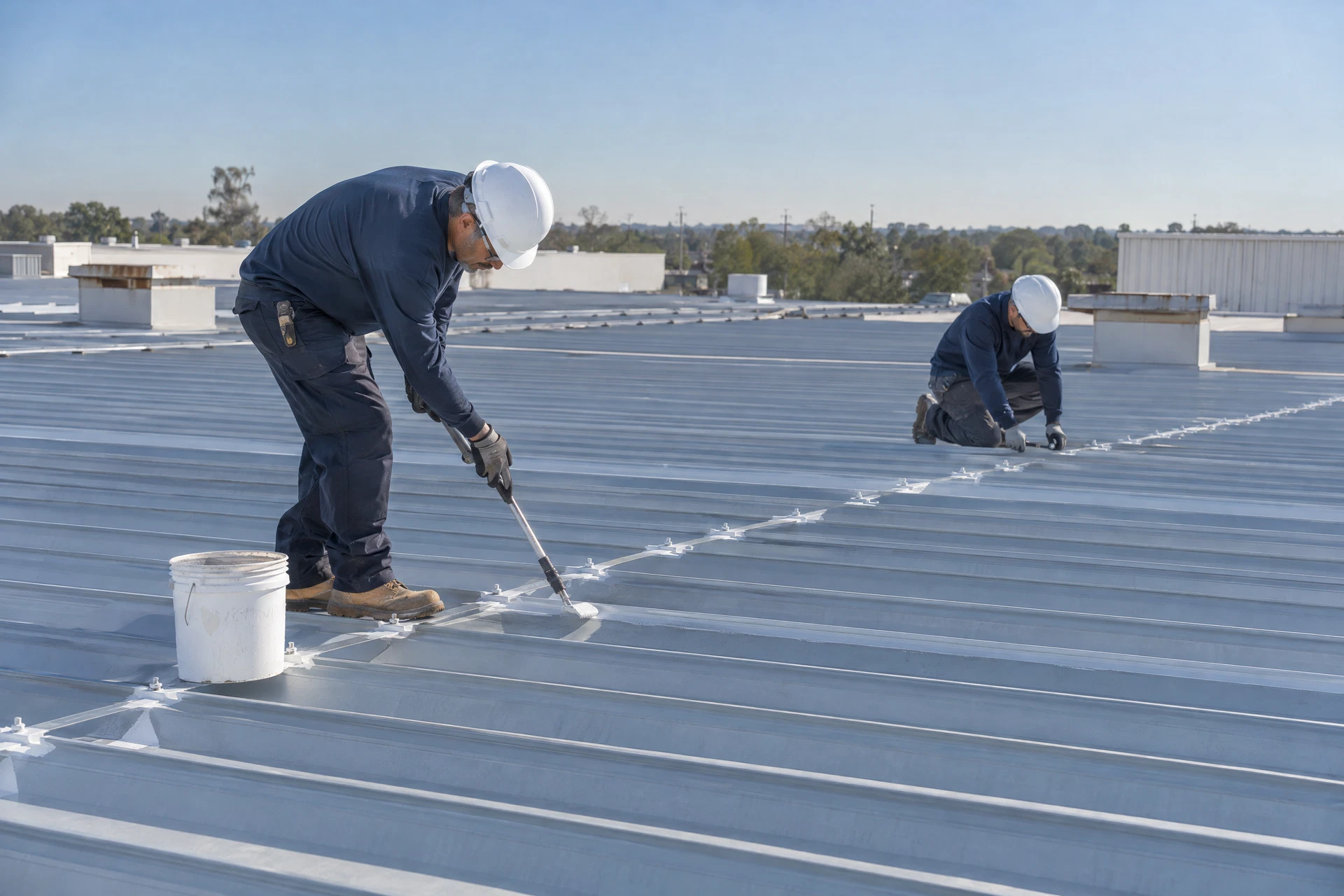
Metal Roof Coating focuses on panel condition, corrosion, seams, fasteners, movement, and penetrations. Preparation and detail treatment must match what the roof record shows before a coating plan is considered.

Explore Metal Roof Coating
Commercial roofing detail for Silicone Roof Coating

Silicone Roof Coating

Silicone Roof Coating may suit selected low-slope conditions after moisture, adhesion, ponding observations, existing layers, and primer needs are reviewed. It does not remove the need to investigate drainage or substrate concerns.

Explore Silicone Roof Coating
Commercial roofing detail for Acrylic Roof Coating

Acrylic Roof Coating

Acrylic Roof Coating requires a suitable water-based application window and a prepared surface. Detail reinforcement, existing coating condition, water exposure, and future recoat planning belong in the selection review.

Explore Acrylic Roof Coating
Commercial roofing detail for Spray Foam Roofing

Spray Foam Roofing

Spray Foam Roofing depends on dry, serviceable foam and controlled site conditions. The review should cover damaged foam, overspray protection, equipment, topcoat needs, and whether recovery or removal is appropriate.

Explore Spray Foam Roofing

A Documented Coating Process

A Documented Coating Process

The work sequence keeps inspection, records, preparation, material fit, and application decisions connected from the first roof review.

  1. 01

    Inspect Your Roof

    Review the roof surface, material, seams, fasteners, penetrations, drains, equipment, visible damage, previous repairs, and areas that need more information. The inspection starts the condition record used for later decisions.

  2. 02

    Document Roof Conditions

    Organize observations by roof area and identify coating-ready surfaces, preparation needs, detail work, and conditions outside a coating scope. This gives the property team a shared reference before work is scheduled.

  3. 03

    Select The Material

    Compare the recorded roof condition with Metal Roof Coating, Silicone Roof Coating, Acrylic Roof Coating, Spray Foam Roofing, or Shingle Roof Coating. Material selection follows compatibility and preparation requirements.

  4. 04

    Confirm The Weather Window

    Review substrate condition and the expected application window before coating begins. Weather planning matters especially during the official monsoon season, June 15 through September 30, when exposure can change site conditions.

  5. 05

    Prepare And Apply

    Complete the agreed preparation and detail work, protect relevant equipment and occupied areas, then apply the selected system to suitable surfaces. Keep the record current as conditions or scope questions arise.

Commercial roof detail inspection

New River Readiness Checklist

New River Readiness Checklist

Use these prompts when a property owner or facility manager is gathering information for a commercial roof coating discussion.

Before The Review

Gather accessible roof records, prior repair notes, photos, known leak locations, equipment information, and any restrictions on roof access. Mark questions instead of assuming the existing material or previous coating is known.

  • Identify each roof area
  • Note known repairs and recurring concerns
  • List rooftop equipment and access limits
  • Record building-operation constraints

Before Material Selection

Confirm which conditions need more investigation. A coating conversation should account for moisture, damage, surface contamination, detail condition, existing layers, and the weather window required for preparation and application.

  • Separate repair-first areas
  • Review compatibility questions
  • Discuss preparation and detail work
  • Set weather review points

Before Work Begins

Keep the agreed scope tied to the condition record. Permit requirements depend on project scope, so confirm applicable requirements before work begins. Coordinate access, equipment protection, and building operations with the people responsible for the property.

  • Confirm scope and exclusions
  • Review access and protection needs
  • Check permit questions by scope
  • Keep a copy of the roof record

New River Roof Coating Questions

New River Roof Coating Questions

Commercial property owners and facility managers can use these answers to frame an initial coating discussion.

When should a New River commercial roof be inspected before coating?

Inspect before choosing a material and again when conditions may have changed. The review should capture surface type, moisture concerns, seams, fasteners, penetrations, previous repairs, equipment, and areas needing more information. Weather exposure also matters. Phoenix monsoon season runs from June 15 through September 30, so planning should account for conditions that can affect preparation and application.

Does Deer Valley Roof Coating coat commercial roofs in New River?

Yes. Deer Valley Roof Coating coats commercial roofs in New River. The service discussion starts with roof condition, records, access, weather planning, and material fit. Available services are Metal Roof Coating, Silicone Roof Coating, Acrylic Roof Coating, Spray Foam Roofing, and Shingle Roof Coating. The suitable option depends on what the roof inspection documents.

How do I choose between the approved coating options?

Start with the existing roof material and its condition. Metal Roof Coating centers on panels, seams, corrosion, fasteners, and movement. Silicone and acrylic systems require surface and application-condition review. Spray Foam Roofing depends on foam condition. Shingle Roof Coating has a narrower compatibility review. Material selection follows the documented roof situation.

Can coating fix drainage, structural damage, or wet insulation?

A coating should not be presented as a fix for drainage problems, structural damage, or wet insulation. Those conditions need separate evaluation and may change the decision toward repair, replacement, or further investigation. The roof record should identify these concerns clearly so they are not folded into a coating scope by assumption.

What should a facility manager document before roof coating?

Document roof areas, material, visible damage, seams, fasteners, penetrations, drains, equipment, prior repairs, access limits, known leak locations, and building-operation constraints. Include photos or marked references when available. Note uncertain conditions for follow-up. A useful record helps the property team compare preparation needs, material fit, and work-window requirements.

Do permit requirements apply to commercial roof coating in New River?

Permit requirements depend on project scope and should be confirmed before work begins. The applicable review can change with material, layers, fire-resistive classification, structural effects, and the exact work proposed. Keep the scope description specific and check current requirements with the relevant authority before scheduling preparation or application.

How are weather windows handled before application?

Weather windows are reviewed alongside substrate condition and preparation status. The property team can discuss expected exposure, access, equipment protection, and areas that must remain ready. A date is not treated as a guaranteed application window until conditions are reviewed. Seasonal weather planning is especially important during the official monsoon period.

Review Your Commercial Roof

Review Your Commercial Roof

Bring the roof condition, records, and weather window into one practical coating discussion for your New River property.

Get A Free Estimate

Call +1 (623) 310-0168 to discuss your commercial roof coating needs.

Call Us

Reach Deer Valley Roof Coating at +1 (623) 310-0168.

Next Roof Step

Get A Clear Starting Point

Bring the roof condition, access concerns, and building details into one commercial coating discussion.

Roof Questions?

Talk About Your Commercial Roof

Leave your name and phone number, or call now to discuss the roof condition.

Call Us
Call Us+1 (623) 310-0168