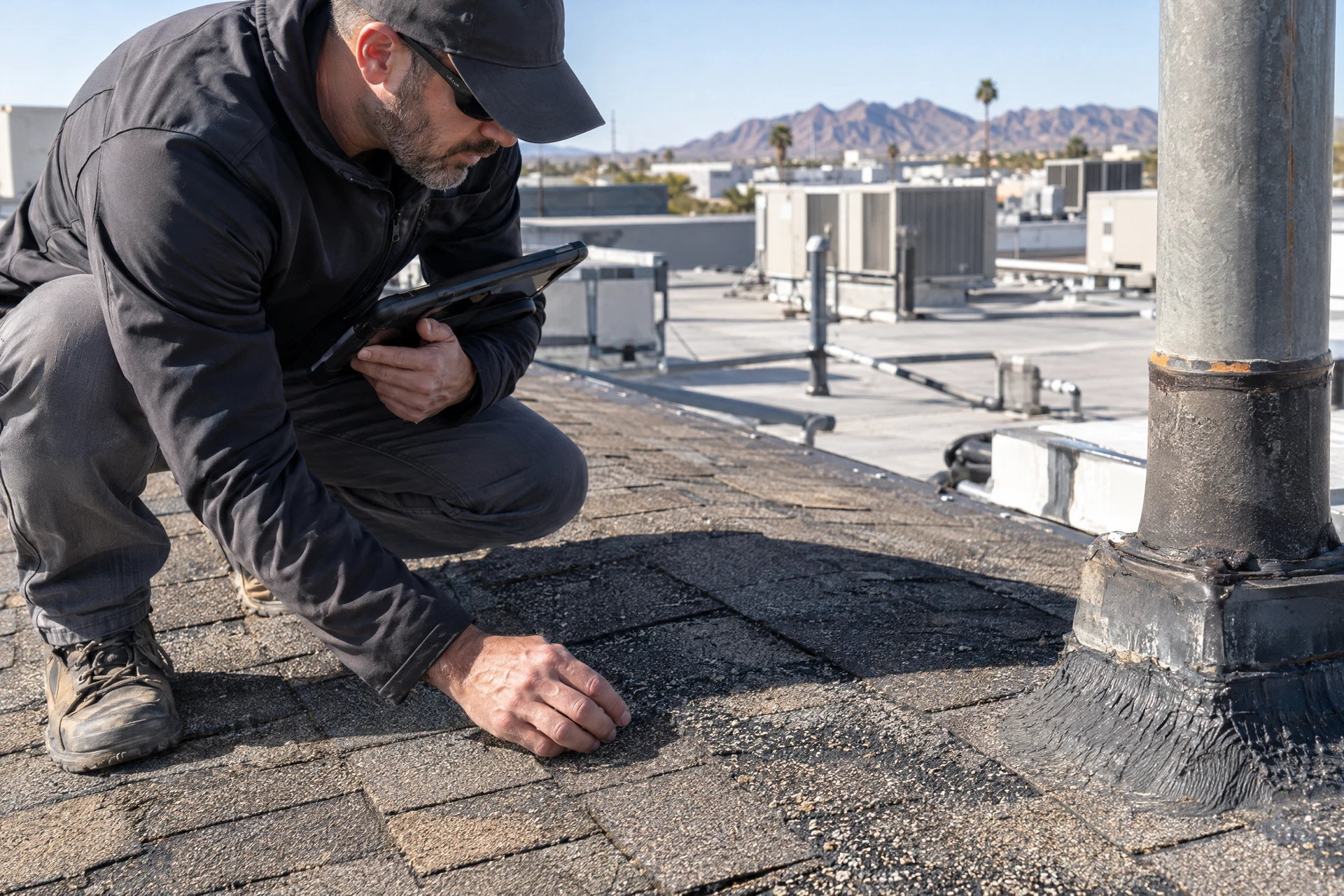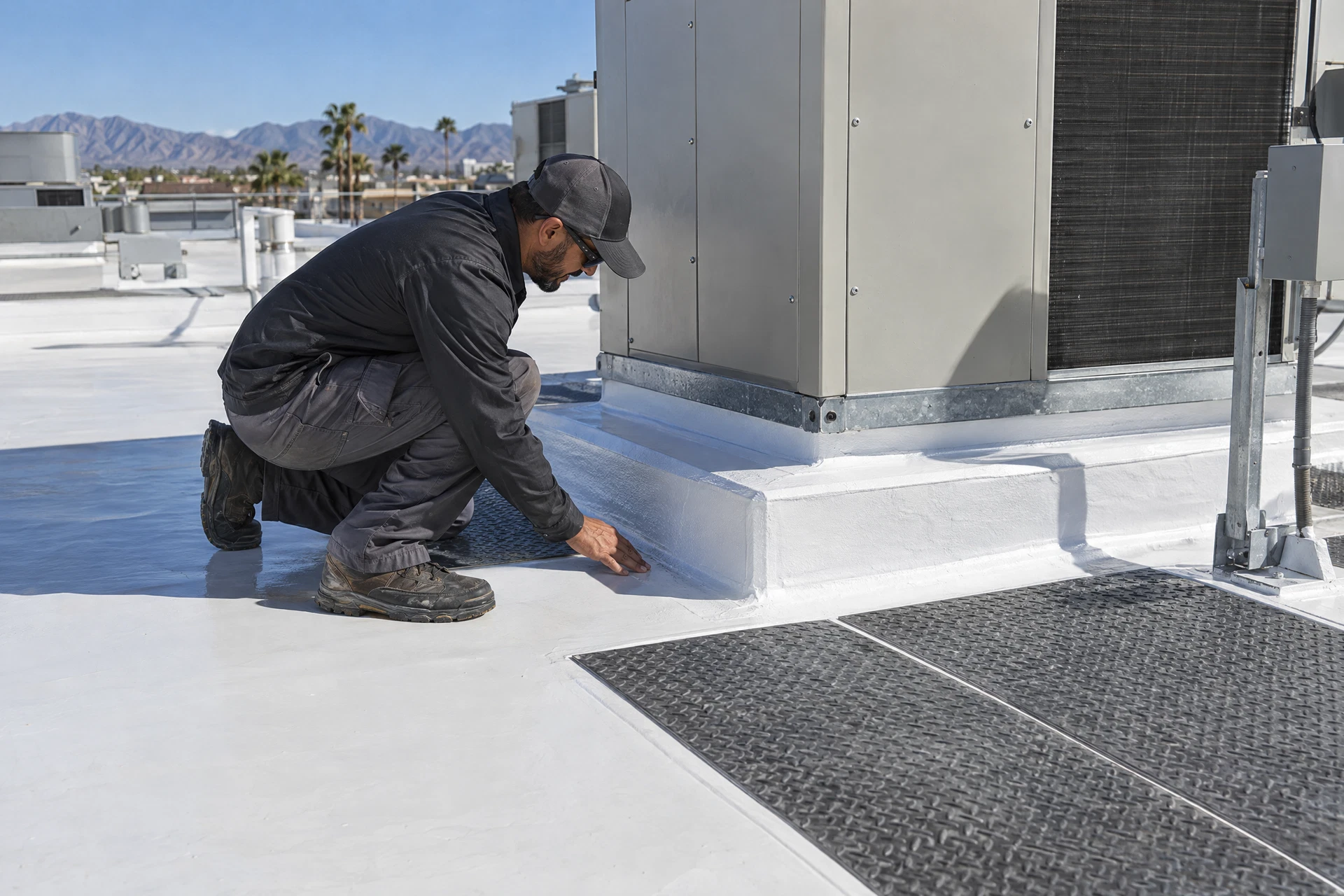
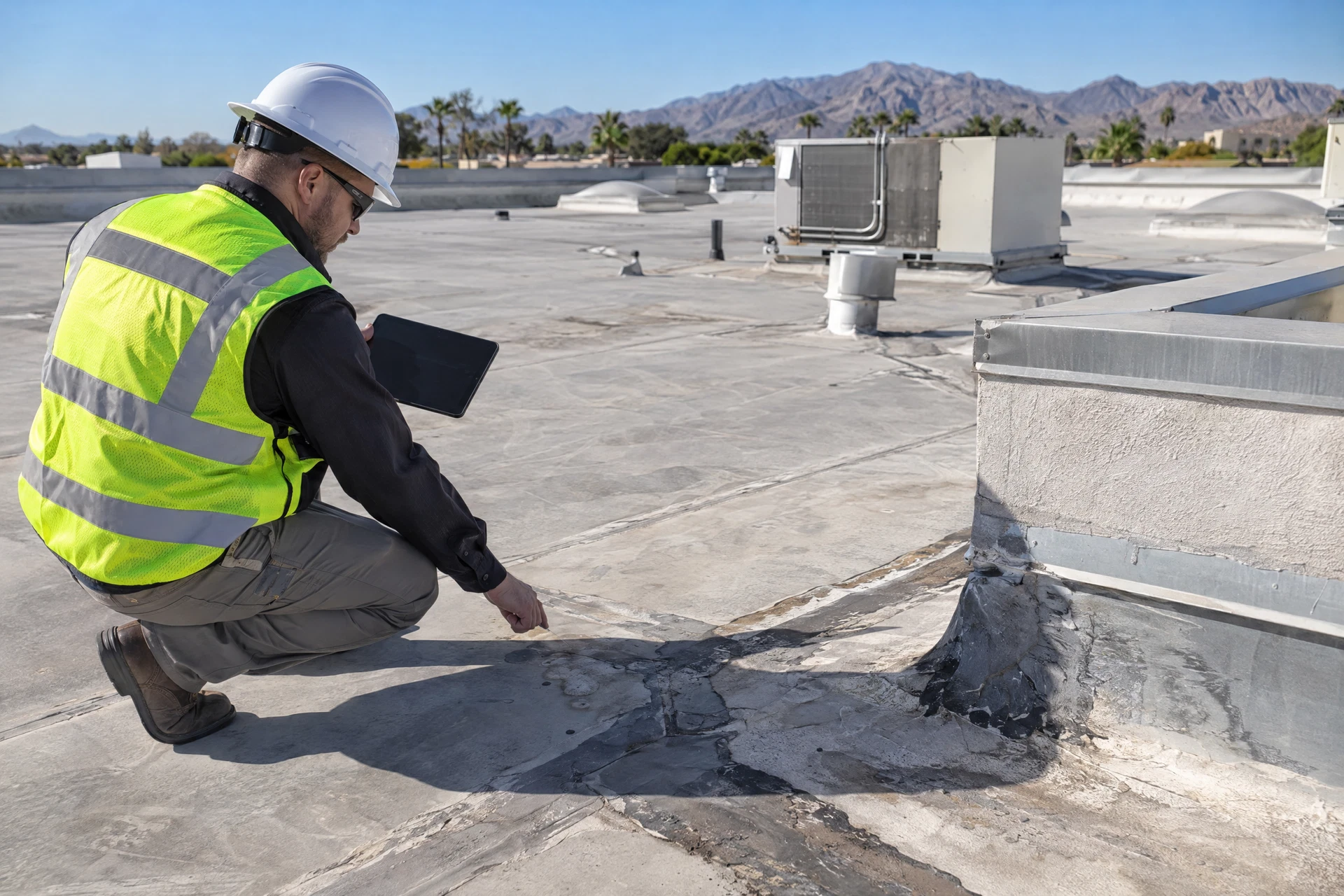
Commercial roof inspection and planning

Commercial Metal Roof Coating

Deer Valley Metal Roof Coating

Deer Valley Roof Coating coats commercial roofs with a condition-led metal roof system. Corrosion, seam condition, fasteners, panel movement, and penetrations determine whether coating is ready, repair comes first, or another service fits better.

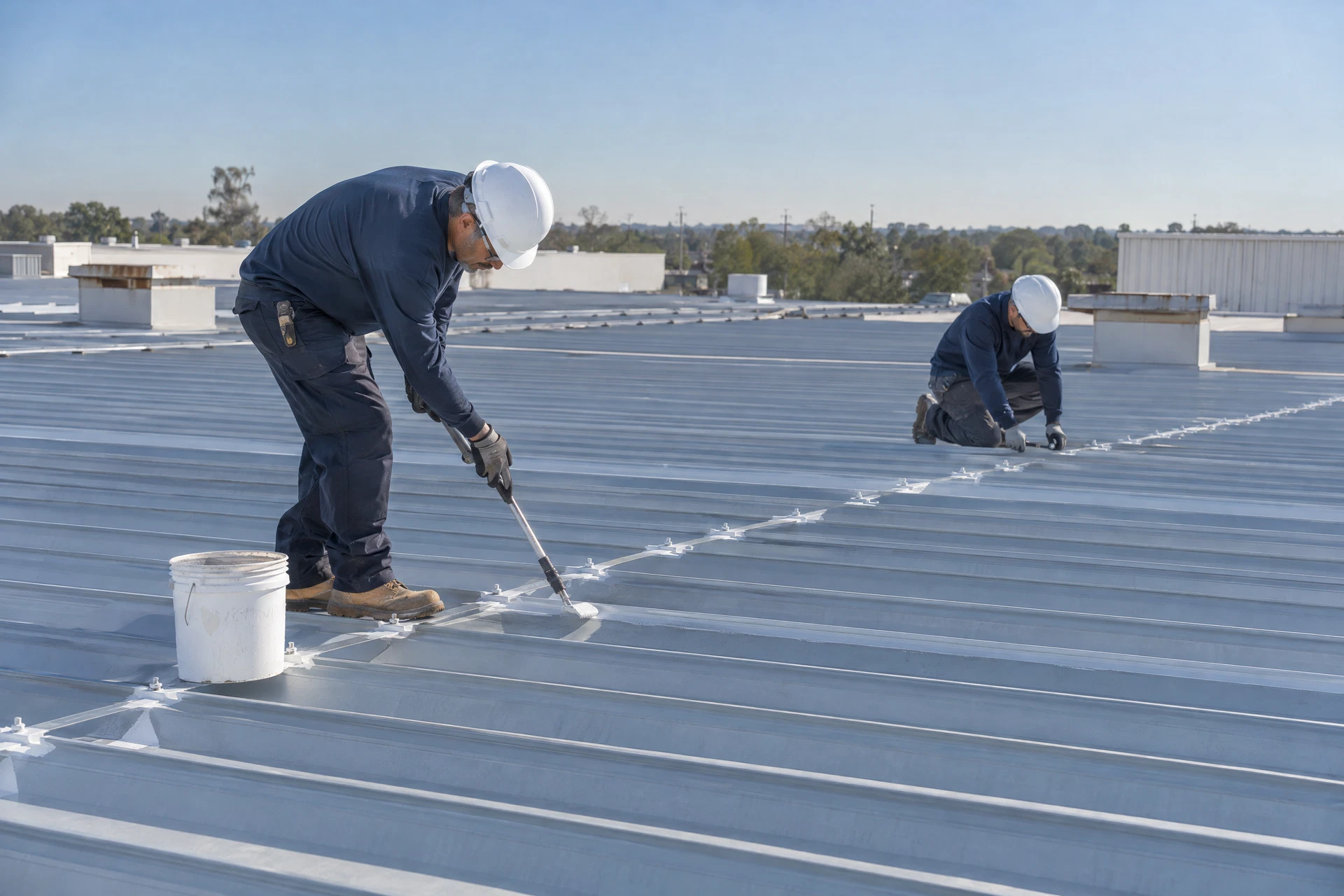
Corrosion checked before coating work

Seams and fasteners receive detail review

Panel movement affects coating readiness

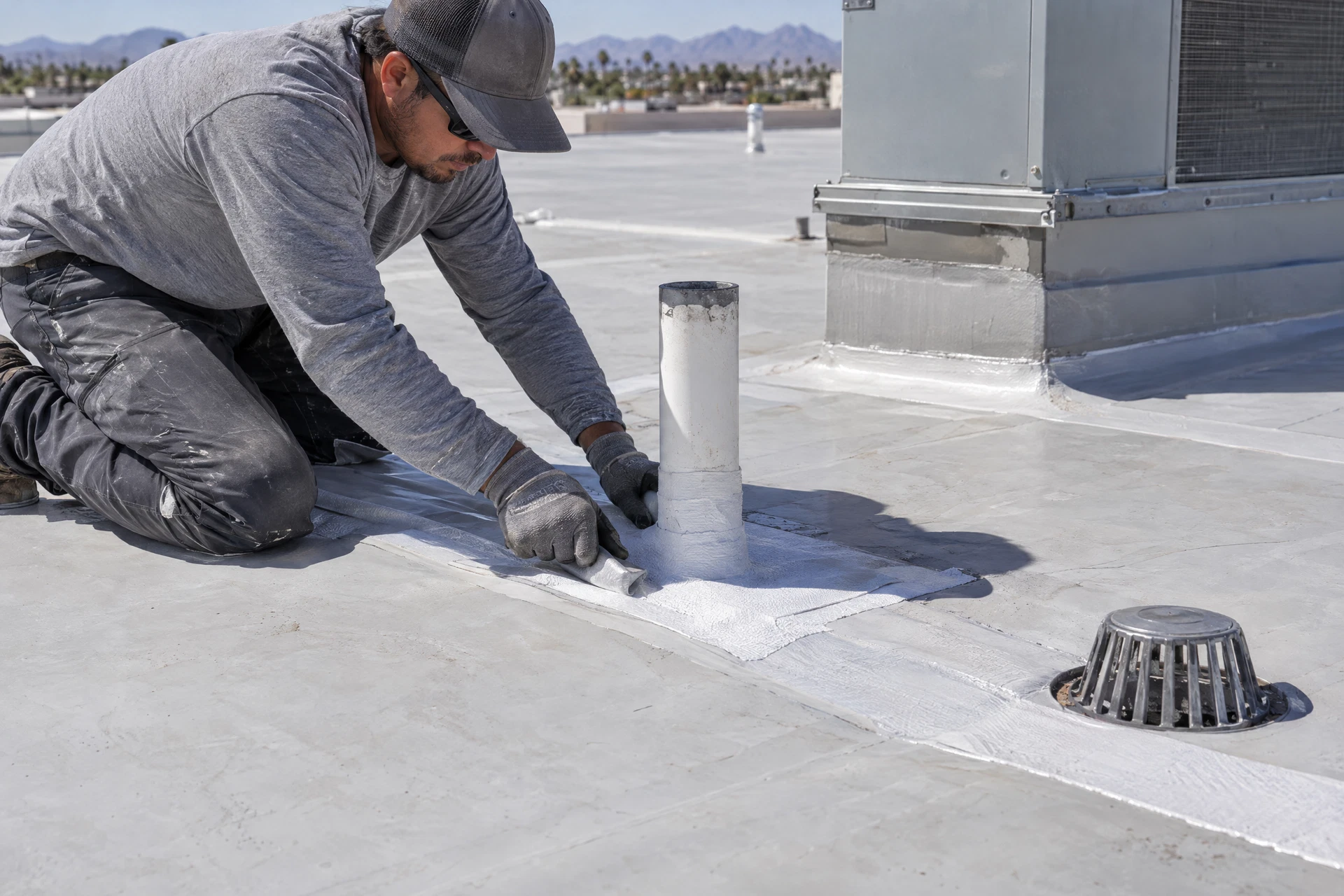
Penetrations need separate preparation

Coating Fit Versus Repair First

Coating Fit Versus Repair First

A metal roof can look broadly serviceable while small details create the largest risk. The inspection separates coating-ready areas from conditions that need defined repair work before any field coating begins.

Coating-Ready Conditions

Coating may fit when panels remain serviceable, corrosion is limited and treatable, seams can be prepared, fasteners can be secured or replaced, and penetrations can be detailed. The substrate still needs cleaning, adhesion review, and a specified preparation plan.

  • Sound panel sections
  • Accessible seams and details
  • Manageable surface oxidation
  • Dry, prepared substrate

Repair-First Conditions

Widespread corrosion, loose panels, failed attachments, open laps, damaged flashings, or unresolved movement can change the scope. Those conditions require a repair decision before coating is presented as the next step.

  • Advanced section loss
  • Loose or displaced panels
  • Open seams or failed flashings
  • Unresolved structural concerns

Replacement Discussion

If the metal system cannot provide a stable surface after appropriate repairs, replacement may be more suitable. Deer Valley Roof Coating will keep that boundary visible instead of treating coating as the answer for every roof.

  • Review remaining serviceability
  • Separate repair scope from coating scope
  • Document limitations for ownership

Metal Roof Details That Decide Readiness

Metal Roof Details That Decide Readiness

Five recurring conditions shape the preparation plan. Each deserves a direct finding because a broad roof-area inspection can miss the details that later disrupt a coating system.

Corrosion

Surface oxidation needs classification before coating. Light corrosion may require cleaning and treatment, while deeper loss can reduce panel integrity. The plan should identify affected areas, preparation needs, and any repair boundary before material is applied.

Seams

Long panel seams move, collect debris, and can open at laps. Preparation should expose the seam condition, remove weak material, and specify reinforcement or sealant where the detail requires it. A field coat does not replace seam diagnosis.

Fasteners

Fasteners can loosen, back out, corrode, or lose their sealing detail. Each roof needs a practical fastener review, including washers and surrounding metal. Failed attachments or recurring movement need attention before broad coating coverage.

Panel Movement

Thermal movement is part of metal roof behavior, but excessive movement, displaced panels, or stressed joints can signal a repair need. The inspection records movement patterns and keeps flexible details aligned with the roof assembly.

Penetrations

Curbs, pipes, vents, equipment supports, and other penetrations interrupt panel continuity. These details need separate cleaning, sealant review, and reinforcement planning. Coating the field while leaving a weak penetration detail does not complete the roof scope.

Commercial Roof Coating Options for Deer Valley

Commercial Roof Coating Options for Deer Valley

Metal roof condition, surface preparation, exposure, and detail requirements guide the service choice. These approved options are reviewed against the roof rather than treated as interchangeable products.

Commercial roofing detail for Metal Roof Coating

Metal Roof Coating

The direct option for a commercial metal roof when corrosion, seams, fasteners, panel movement, and penetrations can be prepared within a defined scope. Inspection findings set the coating and detail plan.

Explore Metal Roof Coating
Commercial roofing detail for Silicone Roof Coating

Silicone Roof Coating

A possible coating chemistry after substrate condition, adhesion, and detail compatibility are checked. It should be selected from the roof's actual exposure and preparation needs, not from a generic product preference.

Explore Silicone Roof Coating
Commercial roofing detail for Acrylic Roof Coating

Acrylic Roof Coating

A possible water-based option when the roof is suitable for its application conditions and detail requirements. Drainage, weather exposure, surface preparation, and future recoat planning remain part of the review.

Explore Acrylic Roof Coating
Commercial roofing detail for Spray Foam Roofing

Spray Foam Roofing

A separate approved service for roofs where a spray foam system is being evaluated. It is not a shortcut for unresolved metal panel corrosion, attachment problems, or penetrations that need repair.

Explore Spray Foam Roofing

Benefits of Coating Your Roof

Benefits of Coating Your Roof

A properly scoped coating can support roof management when the metal assembly is suitable. The value comes from preparation, detail work, and a maintenance plan that matches the building's operating needs.

Protect Prepared Metal

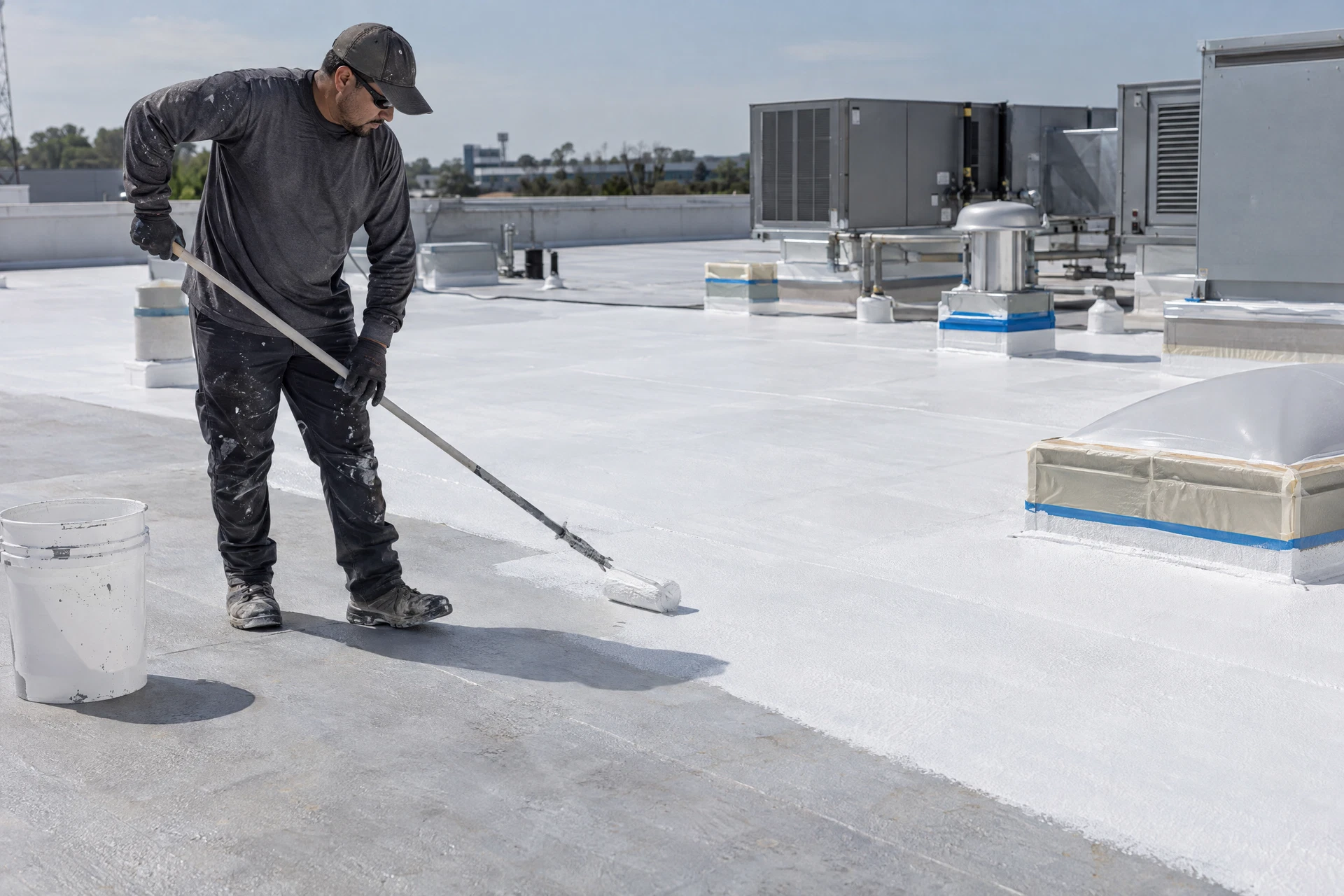
A coating system can add a continuous protective layer over prepared metal surfaces. That benefit depends on removing weak material, treating the specified conditions, and maintaining coverage at exposed details.

Address Seams Together

A coating project creates one coordinated scope for panel seams, fasteners, and penetrations. Clear detail work helps ownership see which areas receive reinforcement instead of relying on field coverage alone.

Plan Around Operations

Topside work can be organized around access routes, rooftop equipment, deliveries, tenants, and occupied commercial areas. The work plan should identify sensitive zones before preparation and application begin.

Keep Maintenance Visible

A coated metal roof still needs inspections and prompt attention to punctures, loose details, debris, and worn areas. Maintenance records help ownership evaluate the roof before future repair or recoat decisions.

Metal Roof Coating Process

Metal Roof Coating Process

The process starts with roof condition and ends with a documented scope. Each step keeps metal movement and detail performance in view.

  1. 01

    Inspect Your Roof

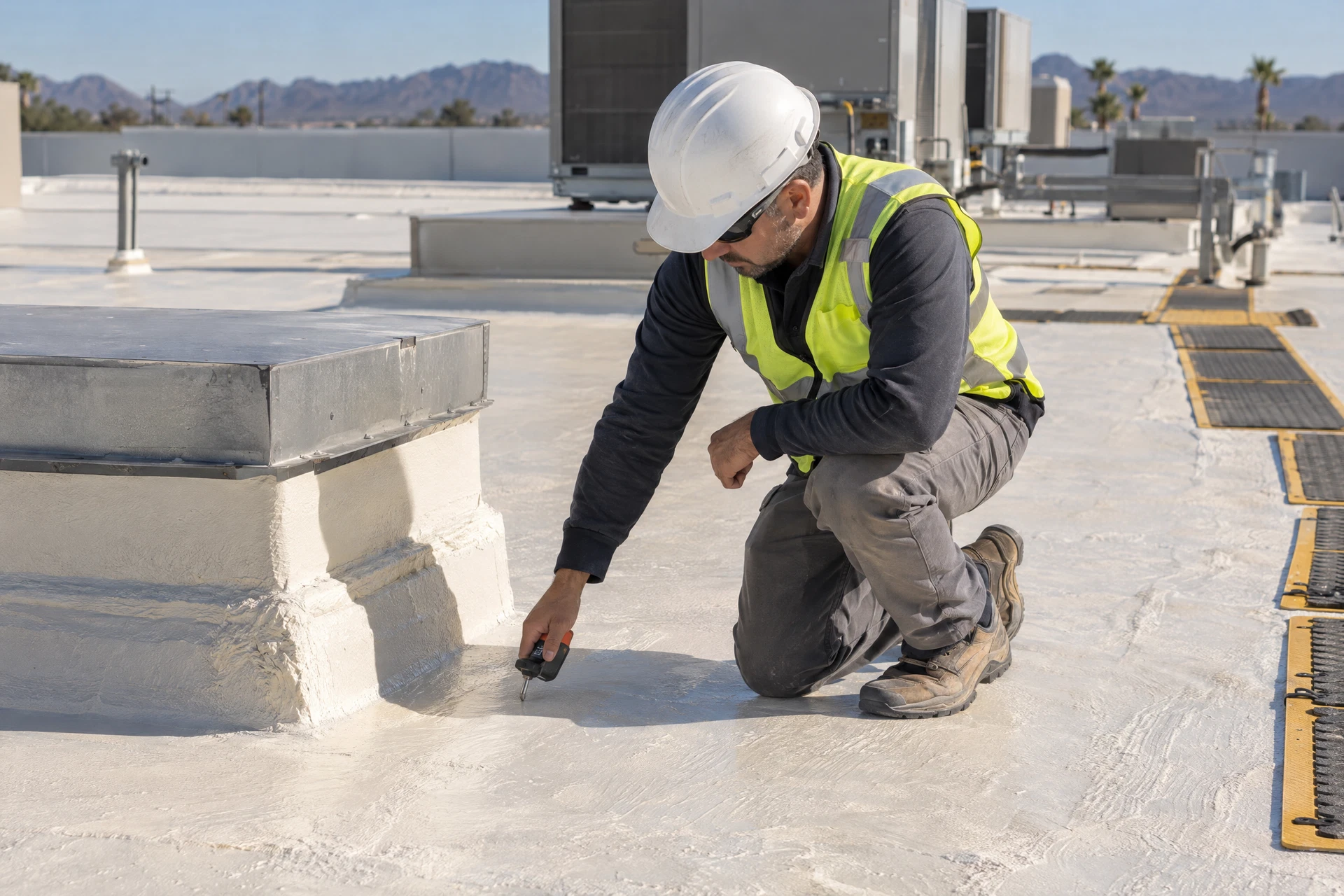
    Review panels, corrosion, seams, fasteners, movement, penetrations, flashings, access, and rooftop equipment. Record coating-ready areas and conditions that need repair-first decisions.

  2. 02

    Define Preparation

    Set the cleaning, oxidation treatment, fastener work, seam reinforcement, sealant, and detail preparation required for the observed metal condition. Separate repairs from coating coverage.

  3. 03

    Confirm Material Fit

    Evaluate substrate compatibility, adhesion needs, application conditions, specified thickness, and detail materials. The selected system should match the prepared roof and the planned maintenance approach.

  4. 04

    Prepare The Roof

    Clean the surface, complete defined repairs, prepare seams and fasteners, and detail penetrations. Protect sensitive equipment and keep access controls aligned with building operations.

  5. 05

    Apply And Review

    Apply the approved coating system to the specified coverage and thickness. Review seams, fasteners, penetrations, edges, and transitions before closing the scope with ownership.

Commercial roof detail inspection

Metal Roof Maintenance Checklist

Metal Roof Maintenance Checklist

A coating is part of roof management, not the end of it. Give facility teams a simple inspection rhythm and a clear way to report roof changes.

After Severe Weather

Inspect after high winds, heavy rain, dust, or impact conditions. Note displaced panels, new punctures, open sealant, and debris at seams or drains.

  • Photograph changed details
  • Keep service routes clear
  • Report damage promptly

During Routine Walks

Look for coating wear, corrosion return, fastener changes, seam openings, and damage around rooftop equipment. Keep foot traffic on defined routes where possible.

  • Review penetrations
  • Check edge details
  • Record recurring concerns

Before Future Work

Coordinate HVAC, electrical, signage, and other rooftop work so contractors understand the coated surface and report any puncture or disturbance before leaving the roof.

  • Share roof access rules
  • Confirm protection needs
  • Update maintenance records

Metal Roof Coating Questions

Metal Roof Coating Questions

These answers focus on the conditions that matter before a commercial metal roof is coated.

Can every commercial metal roof be coated?

No. A metal roof needs a suitable substrate and a defined preparation scope. Corrosion depth, loose panels, failed fasteners, open seams, movement, damaged flashings, and penetration conditions all affect readiness. Some areas may need repair first, while a roof with extensive deterioration may require a replacement discussion instead of coating coverage.

How does corrosion affect metal roof coating?

Corrosion must be classified before material selection. Surface oxidation may call for cleaning and treatment, while deeper section loss can affect panel integrity. The inspection should map affected areas and identify repair boundaries. Coating over weak or poorly prepared metal can leave the underlying condition unresolved and compromise the intended roof scope.

Why do fasteners matter on a coated metal roof?

Fasteners hold panels and often include sealing washers or surrounding sealant. Loose, corroded, or failed fasteners can allow movement and create detail problems. A coating plan should include a fastener review and define replacement, tightening, sealing, or other preparation where needed. Broad coating coverage does not substitute for attachment work.

Can coating address metal roof seams?

Coating can be part of a seam detail plan when the seams are accessible and suitable for preparation. The work may include cleaning, sealant, reinforcing fabric, or other specified detail materials. Open laps, failed attachments, or movement beyond the coating system's design need repair decisions first. Each seam should be reviewed rather than assumed sound.

Can roof work continue around rooftop equipment?

Commercial roof work can be planned around rooftop equipment, service routes, access points, and operating areas. The scope should identify equipment supports and penetrations before preparation begins. Facility managers should coordinate access with the people responsible for rooftop systems, then keep those routes and newly coated details protected during later service visits.

When is replacement more suitable than metal roof coating?

Replacement may be more suitable when corrosion is widespread or deep, panels and attachments cannot provide a stable base after repair, movement remains unresolved, or critical details have deteriorated beyond a practical coating scope. The decision should be based on documented roof condition and repair limits. A coating should not be presented as a cure-all for a failing assembly.

Plan Your Metal Roof Review

Plan Your Metal Roof Review

Get a condition-led review of corrosion, seams, fasteners, panel movement, and penetrations before choosing a commercial coating scope.

Roof Questions?

Talk About Your Commercial Roof

Leave your name and phone number, or call now to discuss the roof condition.

Call Us
Call Us+1 (623) 310-0168