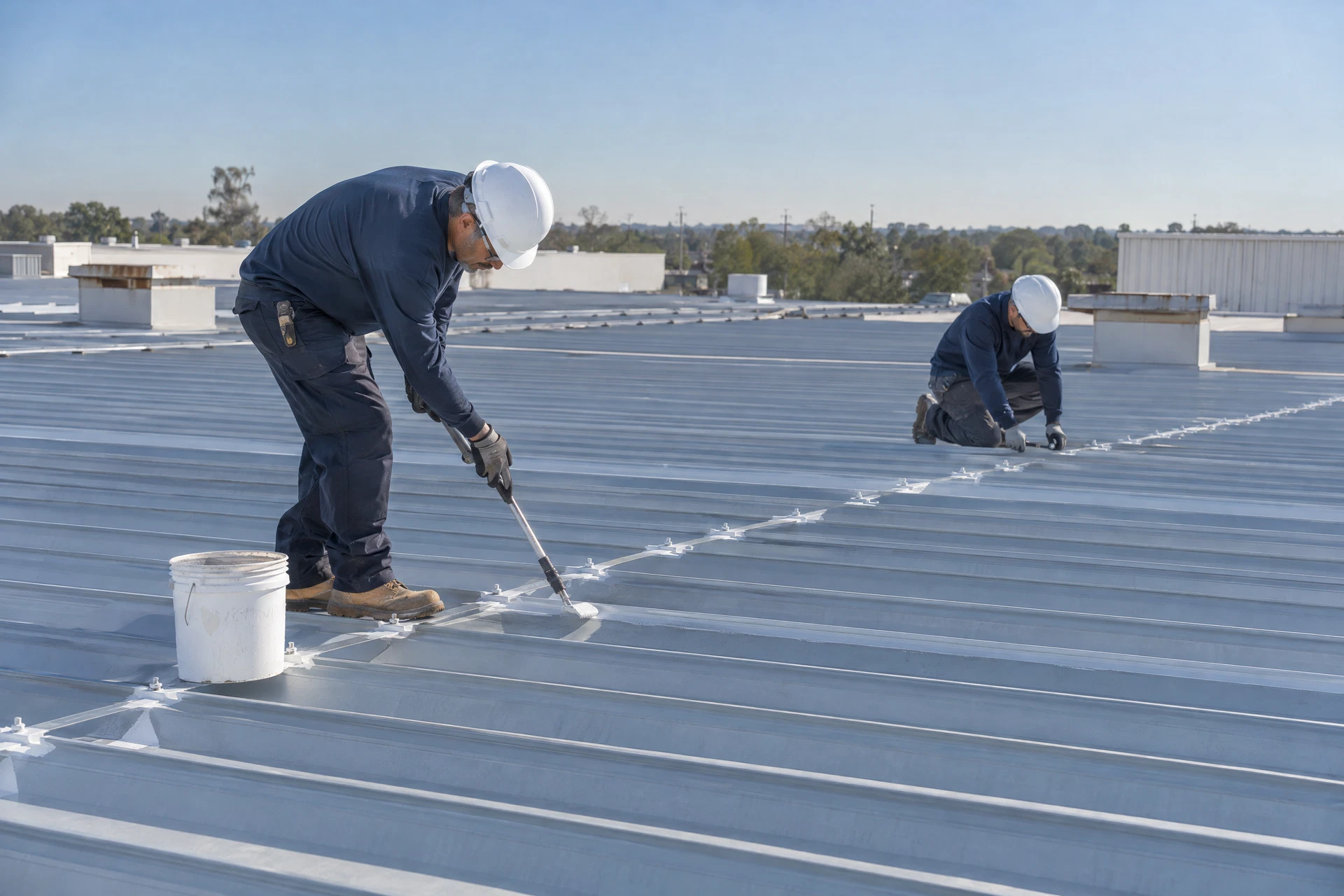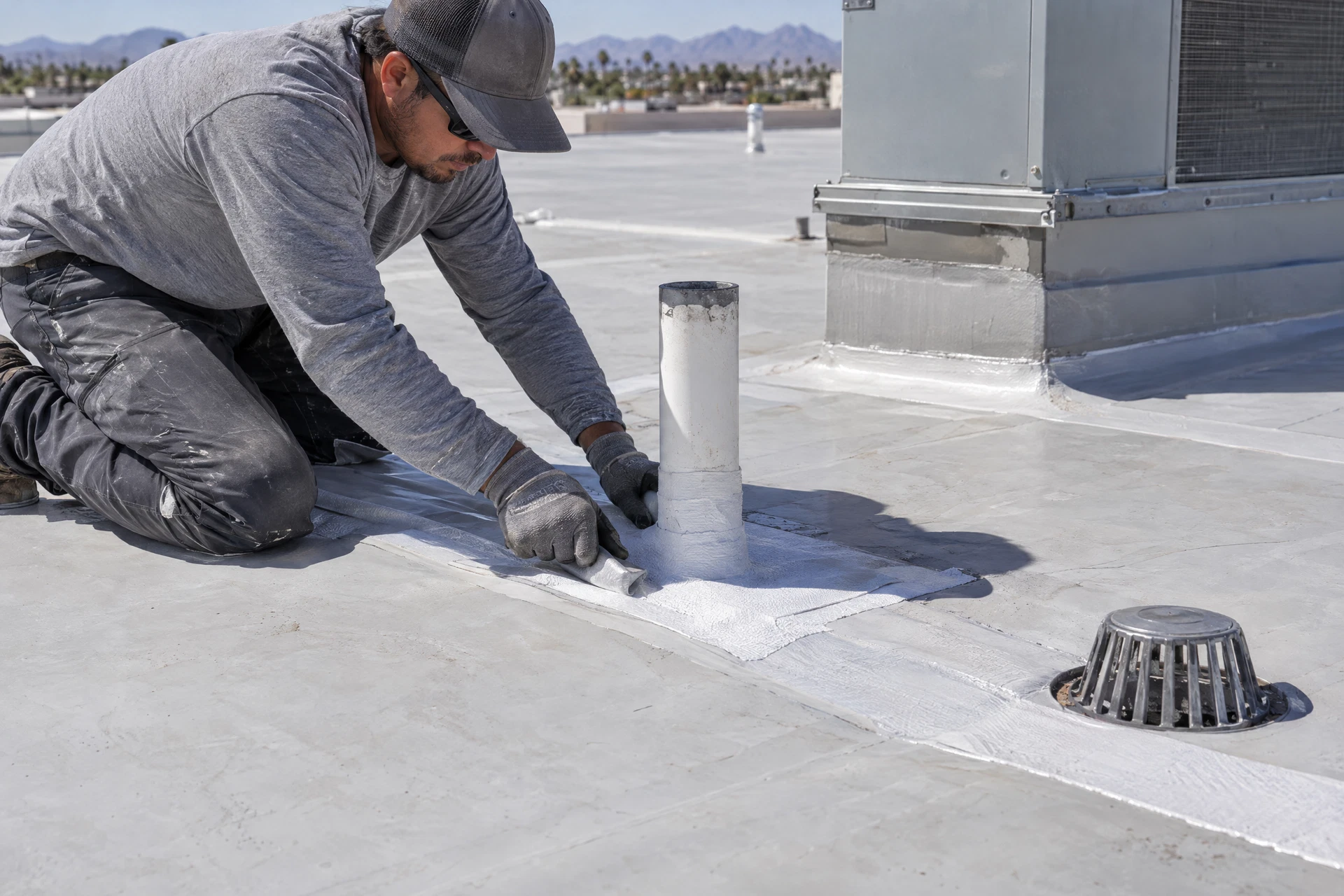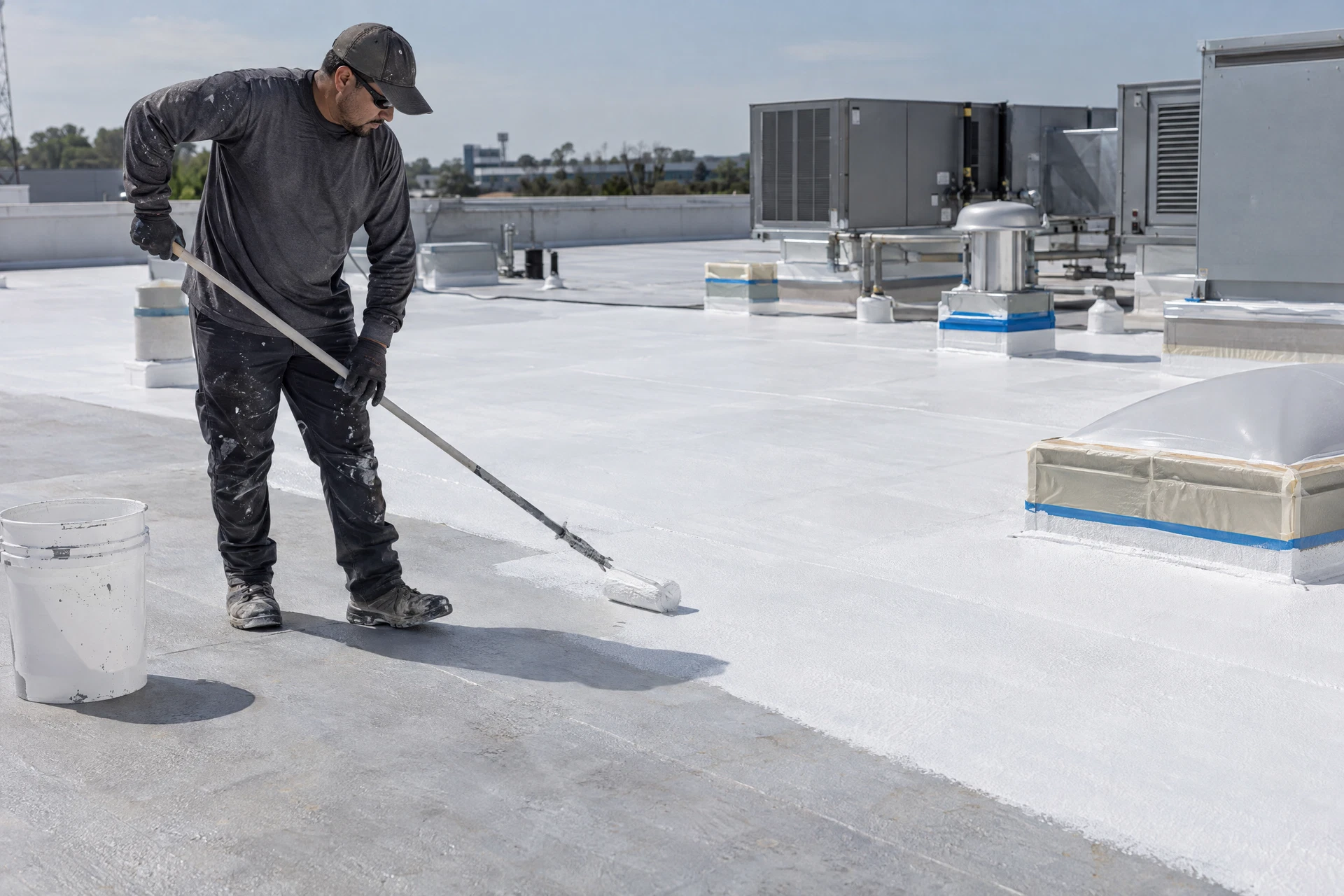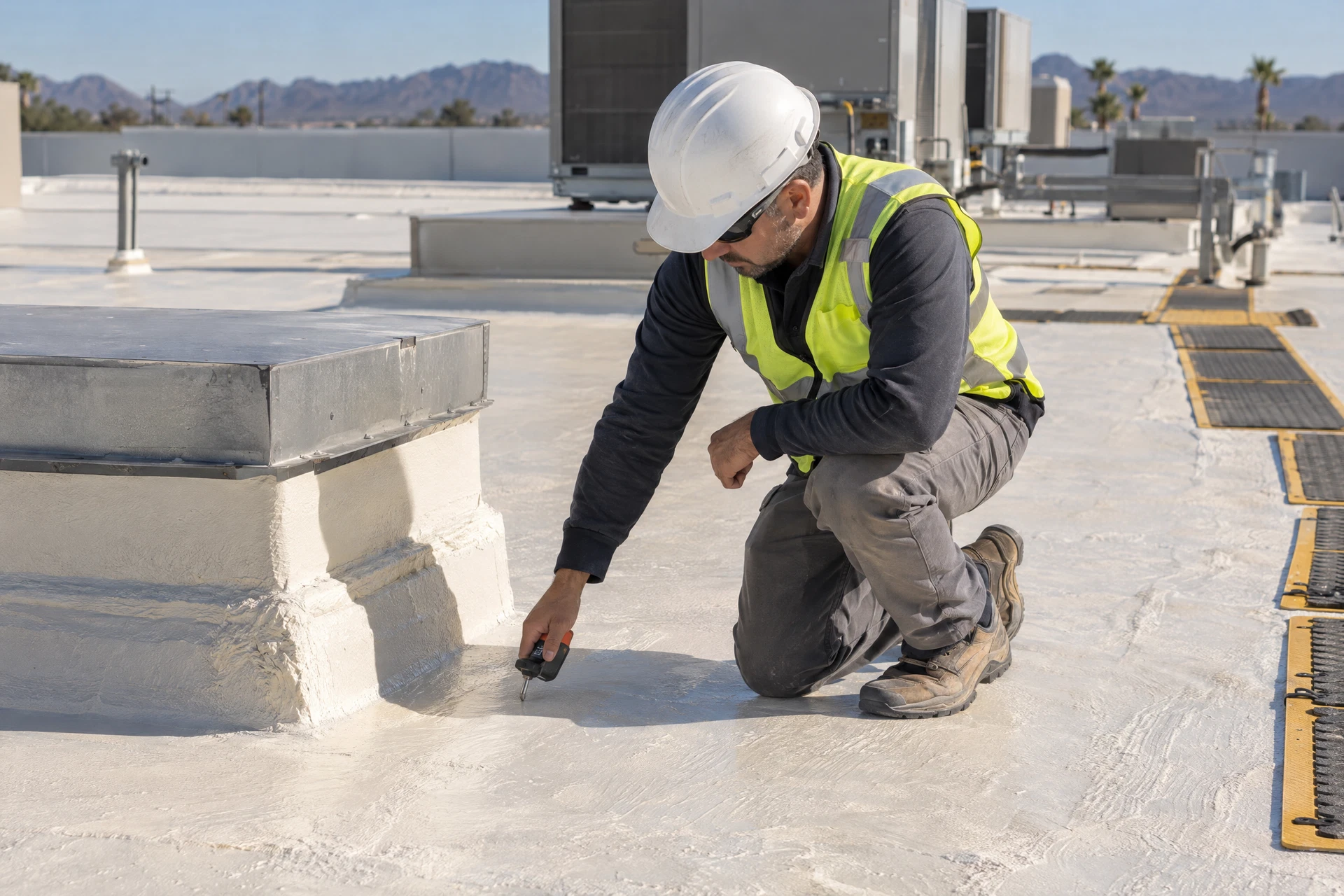
Commercial roof inspection and planning

Commercial Shingle Roof Coating

Deer Valley Shingle Roof Coating

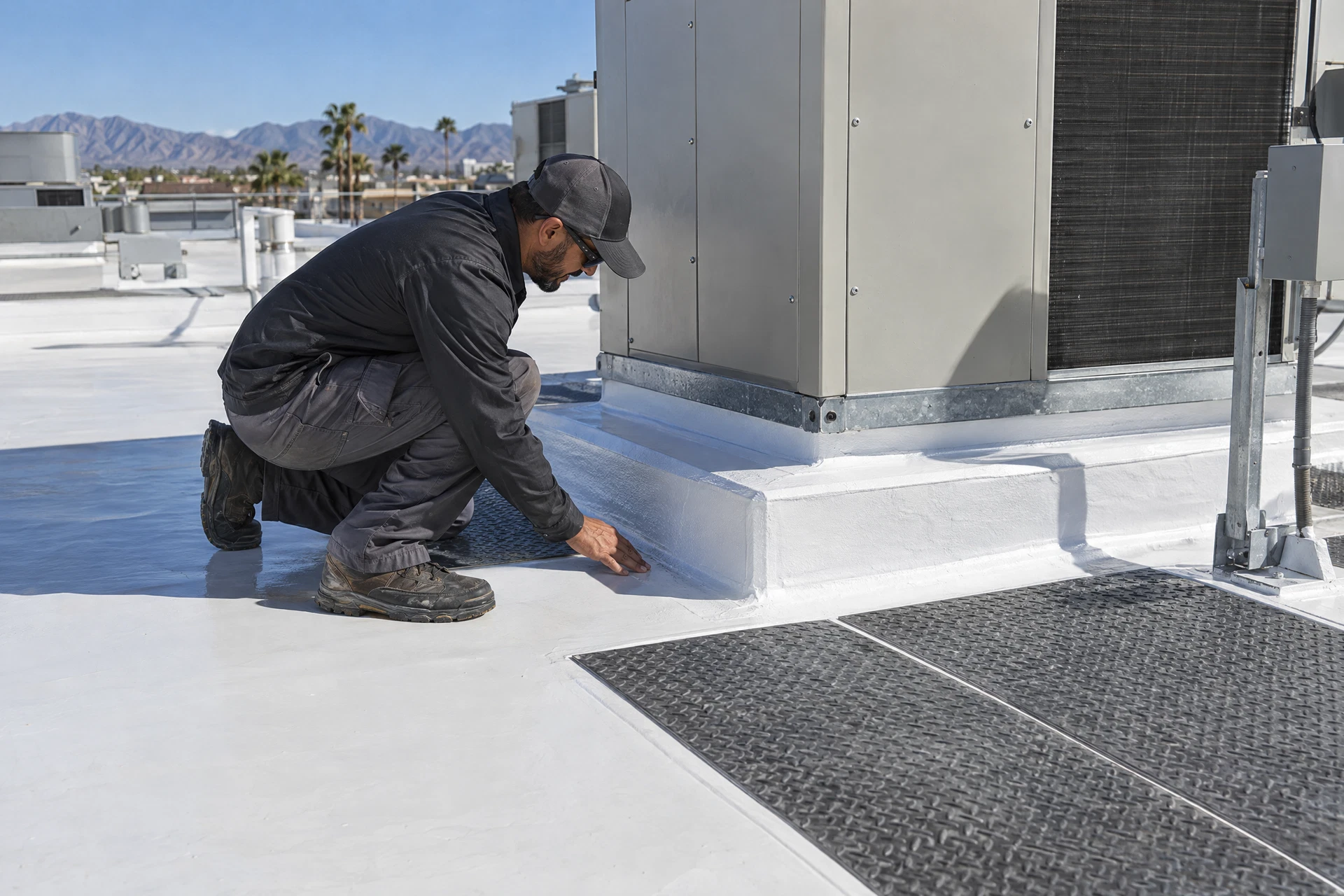
Deer Valley Roof Coating coats commercial roofs when the shingle assembly, coating product, roof condition, flashing, and code requirements support that approach. Shingle coating is a narrow compatibility decision. The review should identify what can be coated, what needs repair first, and when replacement is the more responsible boundary.

Compatibility comes before product selection

Granule loss changes the coating decision

Flashing and penetrations need close review

Code scope should be confirmed before work

The Shingle Compatibility Gate

The Shingle Compatibility Gate

A commercial shingle roof is not automatically a coating candidate. Use a documented gate to connect roof observations with manufacturer guidance, preparation needs, and the limits of coating work.

Manufacturer Guidance

Start with the shingle manufacturer’s published requirements when they are available. The product may specify acceptable substrates, primers, application conditions, preparation methods, or exclusions. A coating choice should follow those requirements instead of assuming one chemistry fits every asphalt shingle roof.

  • Identify shingle type and visible age indicators
  • Check whether the proposed coating is approved or suitable
  • Record preparation and application limits
Roof Condition

Look for brittle shingles, lifted tabs, cracking, exposed mat, active water entry, soft areas, and widespread deterioration. Coating can only be considered after the roof has been evaluated as a system. A visibly failing surface may need repair or replacement planning rather than coating.

  • Separate isolated defects from broad deterioration
  • Document areas that are unsafe or unstable
  • Do not cover unresolved water entry

Granule Loss

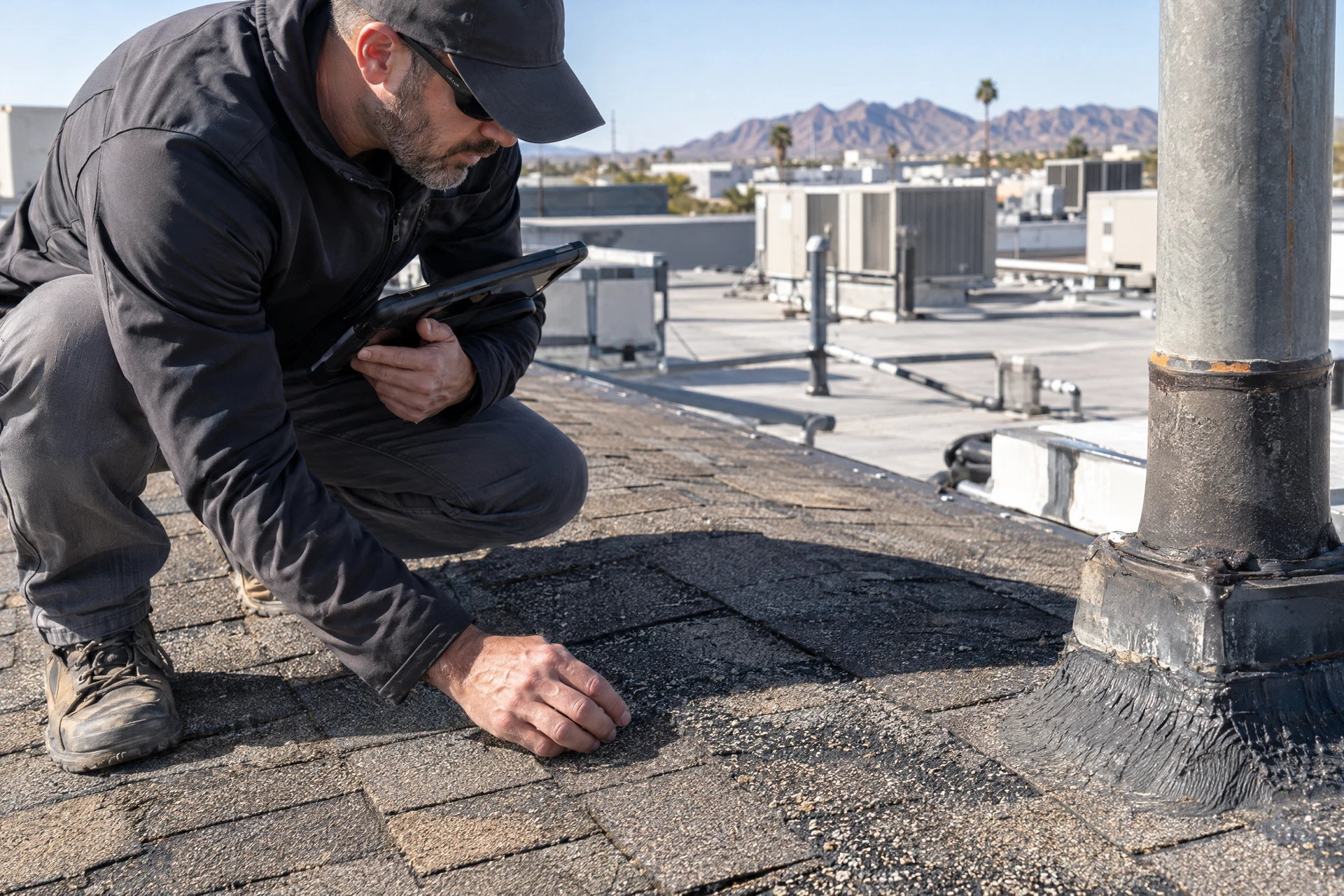
Granules protect the shingle surface and help define its remaining condition. Heavy loss, bare spots, loose granules in drainage paths, or exposed underlayment can change the recommendation. A coating discussion should address whether the surface can accept preparation without worsening the assembly.

  • Check valleys, eaves, ridges, and traffic paths
  • Note exposed mat or underlayment
  • Treat widespread loss as a repair or replacement signal

Flashing and Penetrations

Roof edges, wall transitions, vents, curbs, pipes, skylights, and equipment penetrations need separate attention. Coating material does not replace sound flashing design. Detail conditions should be repaired, reinforced, or excluded from the coating scope according to the roof review.

  • Inspect perimeter metal and transition details
  • Check sealant joints and fastener areas
  • Map penetrations before preparation begins

Code Review

Permit requirements depend on the proposed scope, existing layers, material, fire-resistive classification, and local rules. A City of Phoenix permit exemption does not authorize code-violating work. Confirm the applicable requirements before a commercial shingle coating scope is finalized.

  • Define the work scope in writing
  • Confirm whether the scope changes classification or layers
  • Contact the City of Phoenix when requirements are unclear

Coat, Repair, Or Replace

Coat, Repair, Or Replace

The right outcome may be a coating, a limited repair plan, or a replacement recommendation. This comparison keeps a coating written scope tied to observable conditions instead of treating every shingle roof as a suitable candidate.

Coating May Fit

A coating may be considered when the shingle substrate is compatible, reasonably stable, sufficiently attached, and suitable for the proposed preparation. Flashing and penetrations must have a workable detail plan. The final scope still depends on product guidance, roof observations, and code review.

  • Compatible shingle and coating materials
  • Limited deterioration with repairable details
  • Clear preparation and access plan

Repair First

Repair-first conditions include localized lifted or damaged shingles, failed flashing details, isolated penetrations, or small areas of water entry. Those conditions should be addressed before coating is considered. The repair boundary should be visible in the scope so coating does not conceal unfinished work.

  • Replace or secure damaged shingles where appropriate
  • Correct detail conditions within the approved scope
  • Reinspect repaired areas before coating

Replacement May Be More Suitable

Replacement deserves consideration when deterioration is widespread, granule loss is severe, the assembly is unstable, or the roof cannot meet the coating manufacturer’s requirements. A replacement boundary is not a coating failure. It is a condition-led decision that avoids placing a surface product over an unsuitable roof.

  • Broad brittleness or exposed underlayment
  • Widespread water entry or unstable areas
  • No acceptable coating compatibility path

Commercial Roof Coating Options for Deer Valley

Commercial Roof Coating Options for Deer Valley

Shingle coating is one approved service option, not a default substitute for every roof system. These related systems may be reviewed when the commercial roof uses a different compatible substrate and the condition supports the work.

Commercial roofing detail for Shingle Roof Coating

Shingle Roof Coating

A compatibility-led option for commercial shingle roofs. The review focuses on manufacturer guidance, granule condition, flashing, penetrations, preparation, code scope, and the boundary between coating, repair, and replacement. No universal shingle coating assumption should be made before inspection.

Explore Shingle Roof Coating
Commercial roofing detail for Metal Roof Coating

Metal Roof Coating

A separate path for metal roofs where seams, fasteners, corrosion, panel movement, and penetrations can be evaluated. Metal coating is not a substitute for addressing unstable panels or unresolved detail conditions. The substrate and product must be assessed together.

Explore Metal Roof Coating
Commercial roofing detail for Silicone Roof Coating

Silicone Roof Coating

A possible option for some low-slope commercial roofs after moisture, adhesion, ponding, and primer questions are reviewed. Silicone is not presented as a shingle solution. Its suitability depends on the existing roof assembly and the proposed preparation plan.

Explore Silicone Roof Coating
Commercial roofing detail for Acrylic Roof Coating

Acrylic Roof Coating

A water-based coating option for selected commercial substrates when drainage, weather conditions, surface preparation, detail work, and future maintenance support the scope. Acrylic suitability should be evaluated for the existing roof rather than transferred from another system.

Explore Acrylic Roof Coating
Commercial roofing detail for Spray Foam Roofing

Spray Foam Roofing

A distinct roofing system that requires a dry, suitable substrate, controlled application, protection of nearby equipment, and a compatible topcoat plan. Spray foam roofing is not a repair shortcut for deteriorated shingles or an automatic recover method.

Explore Spray Foam Roofing

Benefits of Coating Your Roof

Benefits of Coating Your Roof

When a shingle roof passes the compatibility gate, coating can support a defined maintenance and protection strategy. The benefits depend on the selected product, preparation quality, existing condition, and ongoing roof care.

A Defined Surface Strategy

A coating scope gives the property owner a clear surface plan when the roof is suitable. It can organize preparation, detail work, application limits, and future observation around a documented commercial roof condition rather than an assumed product fit.

Visible Condition Decisions

The compatibility process separates coating-ready areas from repair-first or replacement areas. That separation helps facility managers understand which conditions are included, which need separate attention, and which observations require further technical review.

Detail-Focused Planning

Shingle roofs contain edges, valleys, penetrations, transitions, and flashing. Reviewing those locations before material selection helps keep the scope focused on the roof assembly and its details instead of treating broad surface coverage as the whole job.

A Maintainable Record

A written scope can identify the selected coating, preparation expectations, excluded conditions, detail boundaries, and inspection notes. That record gives building owners and facility teams a practical reference for future roof decisions.

A Condition-Led Coating Process

A Condition-Led Coating Process

The process begins with the roof, not the product. Each step narrows the decision so the proposed work reflects condition, compatibility, preparation, code scope, and the commercial property’s operating needs.

  1. 01

    Inspect Your Roof

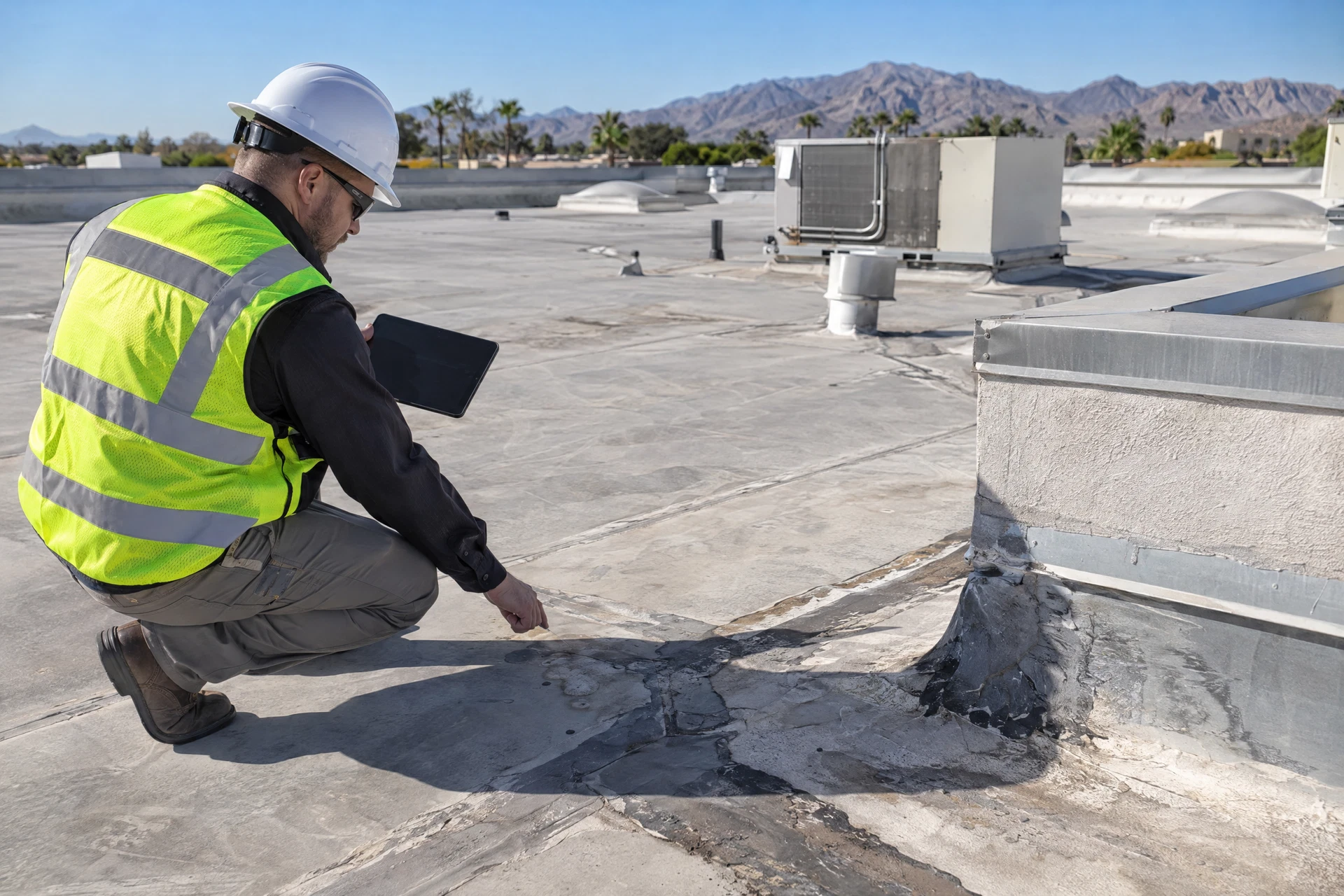
    Review shingle type, visible deterioration, granule loss, attachment, flashing, valleys, edges, penetrations, roof access, and signs of water entry. Record conditions that may require repair or replacement planning before any coating recommendation is made.

  2. 02

    Check Compatibility

    Compare the observed shingle assembly with available manufacturer guidance and the proposed coating requirements. Confirm that the substrate, preparation method, application conditions, and detail approach can be evaluated without relying on a generic asphalt-shingle assumption.

  3. 03

    Set Repair Boundaries

    Separate coating-ready areas from damaged, unstable, wet, or otherwise unsuitable conditions. Identify flashing and penetration work, clarify exclusions, and state when replacement should be considered. Do not use coating language to hide unresolved roof defects.

  4. 04

    Review Code Scope

    Define the proposed work and confirm whether local permit or code questions apply. Requirements depend on scope and existing conditions. City of Phoenix guidance should be checked when the work may affect layers, materials, or fire-resistive classification.

  5. 05

    Prepare And Apply

    If the roof passes the gate, prepare the approved areas, complete agreed detail work, protect nearby property, and apply the selected shingle coating according to product requirements. Weather and substrate conditions remain part of the application decision.

  6. 06

    Plan Ongoing Observation

    Keep the inspection record, product information, repair boundaries, and maintenance notes together. Recheck exposed details and areas of concern as part of ordinary commercial roof care. A coating does not remove the need to observe the roof.

Commercial roof detail inspection

Shingle Coating Questions

Shingle Coating Questions

These answers keep the commercial shingle coating decision specific. The roof assembly, product requirements, condition findings, detail work, and code scope determine whether coating is appropriate.

Can every asphalt shingle roof receive a coating?

No. Commercial shingle coating requires a compatibility review first. The inspection should identify the shingle assembly, manufacturer guidance, granule condition, attachment, flashing, penetrations, water-entry concerns, and preparation limits. If the roof is broadly deteriorated or the proposed product lacks a suitable path, repair or replacement may be more appropriate than coating.

Why does manufacturer guidance matter for shingle coating?

Manufacturer guidance helps define whether a coating can be used on the specific shingle assembly and under what conditions. It may address substrate preparation, primers, application methods, weather, and exclusions. A generic coating recommendation can overlook those limits, so the product decision should follow the available technical guidance.

What does granule loss mean for this decision?

Granule loss is a condition signal because granules protect the shingle surface. Isolated loss may require localized review, while widespread loss, bare areas, exposed mat, or loose granules in drainage paths can indicate broader deterioration. The inspection should determine whether preparation can proceed without worsening the roof assembly.

Can coating solve flashing or penetration problems?

Coating does not replace sound flashing design or automatically correct a failed penetration detail. Edges, walls, vents, curbs, pipes, skylights, and equipment locations need separate review. Repair, reinforcement, or exclusion may be required before coating. The scope should identify those detail boundaries instead of assuming surface coverage resolves them.

Does a shingle coating project require a permit?

Permit requirements depend on the proposed scope and existing roof conditions. City of Phoenix guidance lists specific exemptions and states that an exemption does not authorize code-violating work. Confirm the applicable requirements before work begins, especially when the scope may affect materials, roof layers, or fire-resistive classification.

When should a commercial shingle roof not be coated?

Coating may not be suitable when deterioration is widespread, shingles are unstable or brittle, granule loss is severe, water entry remains unresolved, the substrate is unsuitable, or manufacturer guidance does not support the application. In those cases, a repair or replacement path should be considered and stated plainly.

How does Deer Valley Roof Coating approach this service?

Deer Valley Roof Coating coats commercial roofs through a condition-led review. The focus is the compatibility gate, including manufacturer guidance, roof condition, granule loss, flashing, penetrations, code scope, preparation, and repair or replacement boundaries. Call Us. +1 (623) 310-0168.

Next Roof Step

Get A Clear Starting Point

Bring the roof condition, access concerns, and building details into one commercial coating discussion.

Roof Questions?

Talk About Your Commercial Roof

Leave your name and phone number, or call now to discuss the roof condition.

Call Us
Call Us+1 (623) 310-0168