Commercial roof inspection and planning

Commercial low-slope roof evaluation

Deer Valley Silicone Roof Coating

Deer Valley Roof Coating coats commercial roofs with silicone only after the roof condition is understood. Ponding investigation, substrate moisture, adhesion testing, primer compatibility, and maintenance access shape the recommendation for each low-slope roof.

Built for commercial low-slope roof decisions

Ponding and moisture checked before coating

Primer compatibility reviewed by substrate

Maintenance needs discussed before work

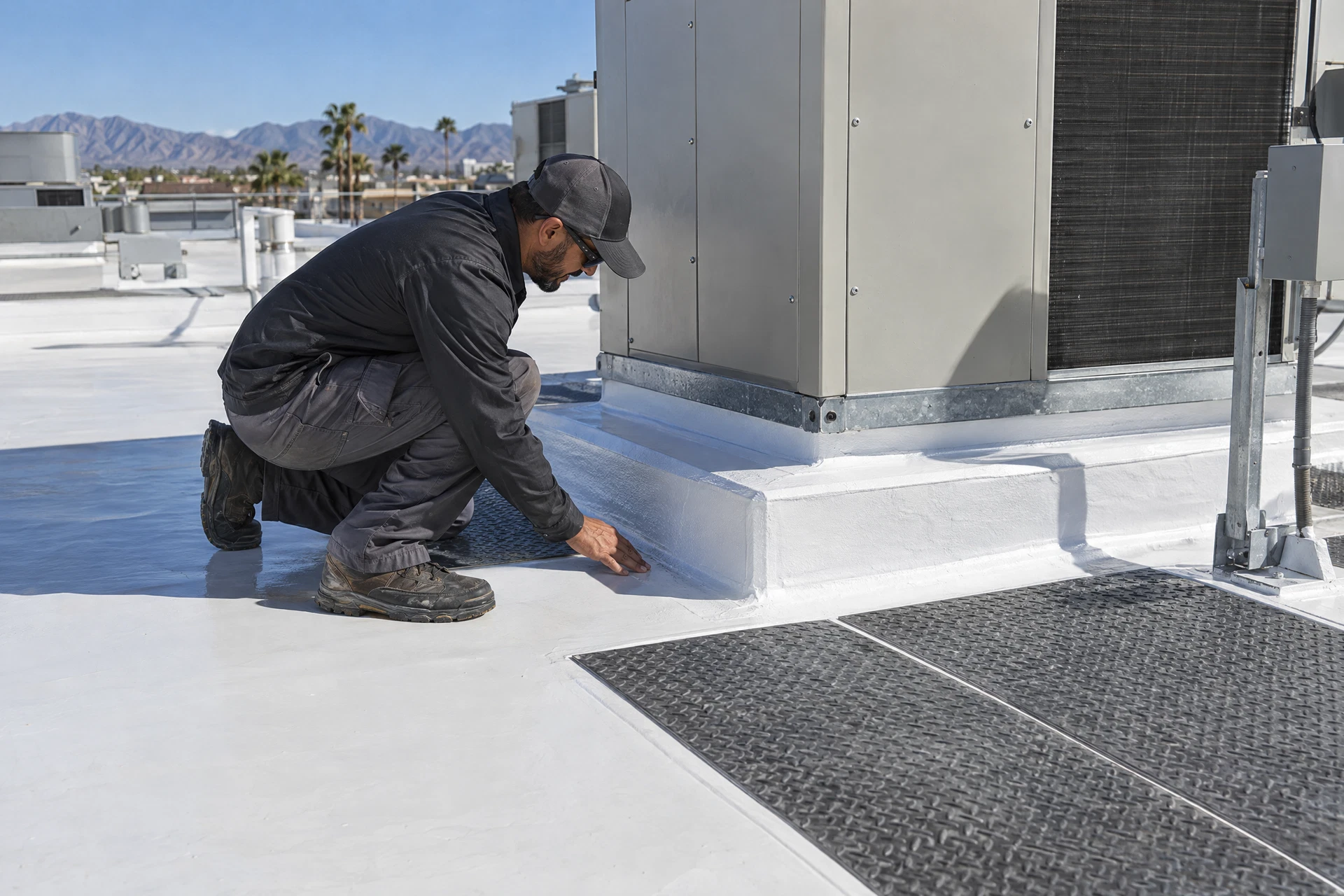
Commercial roof condition and detail inspection
Roof condition, detail work, and safe access are reviewed before a coating scope is defined.

When Silicone Fits Your Roof

When Silicone Fits Your Roof

Silicone can suit some low-slope commercial roofs, but the chemistry follows the roof evidence. Use these decision points to frame a useful inspection conversation.

A Candidate for Silicone

A sound roof surface with suitable adhesion, manageable details, and a substrate that is adequately dry may be considered for silicone coating. The inspection should document existing conditions before material selection.

  • Low-slope commercial roof
  • Coating-ready surface
  • Accessible seams and penetrations

Investigate Ponding First

Standing water areas deserve focused investigation before a silicone decision. Review the location, duration, surface condition, drains, and nearby details. Coating selection does not correct a drainage design or structural problem.

  • Map recurring water areas
  • Check nearby details
  • Separate drainage work from coating scope

Repair or Replace First

Wet insulation, unstable surfaces, structural concerns, severe deterioration, or failed areas can change the project path. Those conditions call for repair or replacement review before anyone treats the roof as coating-ready.

  • Confirm substrate condition
  • Define repair boundaries
  • Reassess coating after repairs

Questions That Shape the Recommendation

Questions That Shape the Recommendation

A silicone recommendation should answer practical questions about water, substrate, attachment, details, and future access. The checklist keeps the discussion tied to observable roof conditions.

Ponding Investigation

Identify where water remains after rainfall and whether the same areas recur. Record nearby drains, scuppers, penetrations, seams, and transitions so the water pattern is considered with the surrounding roof assembly.

  • Recurring locations
  • Drain and scupper context
  • Surface wear around water

Moisture Review

Coating over trapped moisture can create a poor project outcome. Review visible moisture indicators and use appropriate inspection methods to determine whether the substrate is suitable for the proposed work.

  • Surface dryness
  • Moisture indicators
  • Areas needing further testing

Adhesion Testing

Existing roof materials, aged coatings, repairs, and contaminants can affect bond performance. Adhesion testing helps identify whether the prepared surface can accept the selected silicone system.

  • Existing coating condition
  • Cleanliness and preparation
  • Bond results by roof area

Primer Compatibility

Primer is a system decision, not an automatic step. The existing substrate, surface condition, and selected silicone product determine whether primer is needed and which compatible preparation should be considered.

  • Identify substrate
  • Match compatible materials
  • Document preparation requirements

Maintenance Access

Future inspections, equipment service, foot traffic, and cleaning can affect the maintenance plan. Discuss access routes and rooftop activity before the coating scope is finalized.

  • Roof access patterns
  • Equipment service zones
  • Planned inspection points

Commercial Roof Coating Options for Deer Valley

Commercial Roof Coating Options for Deer Valley

Silicone is one approved service among several commercial roof systems. The right option depends on the roof material, condition, water exposure, preparation needs, and planned maintenance.

Silicone Roof Coating

Consider after ponding, moisture, adhesion, and primer questions receive clear answers. Silicone belongs in a condition-led review for suitable low-slope commercial roofs.

  • Low-slope evaluation
  • Ponding investigation
  • Compatibility review

Metal Roof Coating

Metal roofs require attention to corrosion, seams, fasteners, movement, and penetrations. Those conditions guide preparation and whether coating is appropriate for the roof area.

  • Panel movement
  • Fastener condition
  • Seam and penetration details

Acrylic Roof Coating

Acrylic is another possible system for selected roofs. Application conditions, detail work, surface preparation, and water exposure should be reviewed before choosing it.

  • Weather window
  • Detail reinforcement
  • Drainage context

Spray Foam Roofing

Spray Foam Roofing requires a dry, suitable substrate and careful review of foam condition, site controls, and topcoat protection. It follows a different preparation path from silicone.

  • Foam condition
  • Overspray controls
  • Topcoat planning

Shingle Roof Coating

Shingle Roof Coating has a narrow compatibility gate. Manufacturer guidance, granule condition, ventilation, penetrations, and repair or replacement needs must be considered first.

  • Compatibility check
  • Granule condition
  • Code and manufacturer review

Benefits of Coating Your Roof

Benefits of Coating Your Roof

A suitable coating scope can give a property owner a clearer maintenance plan and a defined roof surface to monitor. Benefits depend on condition, preparation, product compatibility, and ongoing care.

A Defined Surface Plan

A documented coating scope identifies the roof areas considered, the preparation expected, and the details that need attention. That gives facility teams a clearer reference for future inspections.

  • Defined roof areas
  • Preparation notes
  • Detail locations

Fewer Material Unknowns

Moisture checks, adhesion testing, and primer review bring key questions forward. Early clarity helps separate coating work from repair-first conditions before material is applied.

  • Substrate review
  • Compatibility discussion
  • Repair boundaries

Planned Maintenance Conversations

Coating does not end roof maintenance. A maintenance discussion can account for access, equipment service, inspections, cleaning, and areas that require closer observation over time.

  • Access planning
  • Inspection points
  • Service coordination

A Better Basis for Comparison

When the roof evidence is organized, owners can compare silicone with other approved services using relevant conditions. The conversation stays tied to the building instead of a generic product promise.

  • Condition-led options
  • Clear limitations
  • Commercial roof focus

A Condition-Led Coating Process

A Condition-Led Coating Process

The process starts with evidence and keeps coating decisions connected to the roof assembly. Each step helps define what belongs in the scope and what requires separate attention.

  1. 01

    Inspect Your Roof

    Review the roof surface, low areas, drains, seams, penetrations, equipment zones, existing coatings, and visible repair history. Document conditions that may affect silicone fit or preparation.

    • Map roof areas
    • Note details
    • Record visible concerns
  2. 02

    Investigate Water and Moisture

    Study recurring ponding locations and evaluate substrate moisture where appropriate. Separate water-management concerns from coating questions so the scope does not promise an outcome coating cannot provide.

    • Trace water patterns
    • Review moisture indicators
    • Flag further investigation
  3. 03

    Test Adhesion and Compatibility

    Assess the existing surface and determine whether adhesion testing or primer review is needed. Match preparation and compatible materials to the roof condition and selected silicone system.

    • Test representative areas
    • Review substrate
    • Select compatible preparation
  4. 04

    Define Preparation and Repairs

    Set out cleaning, detail work, repairs, masking, access controls, and areas that should remain outside a coating scope. A clear boundary protects the decision from vague assumptions.

    • Set work limits
    • Identify repair-first areas
    • Plan rooftop controls
  5. 05

    Coat and Maintain

    Apply the selected silicone system only within the agreed scope and conditions. Then use the maintenance plan to guide inspections, access, equipment work, and future roof decisions.

    • Follow approved scope
    • Coordinate roof access
    • Track maintenance needs
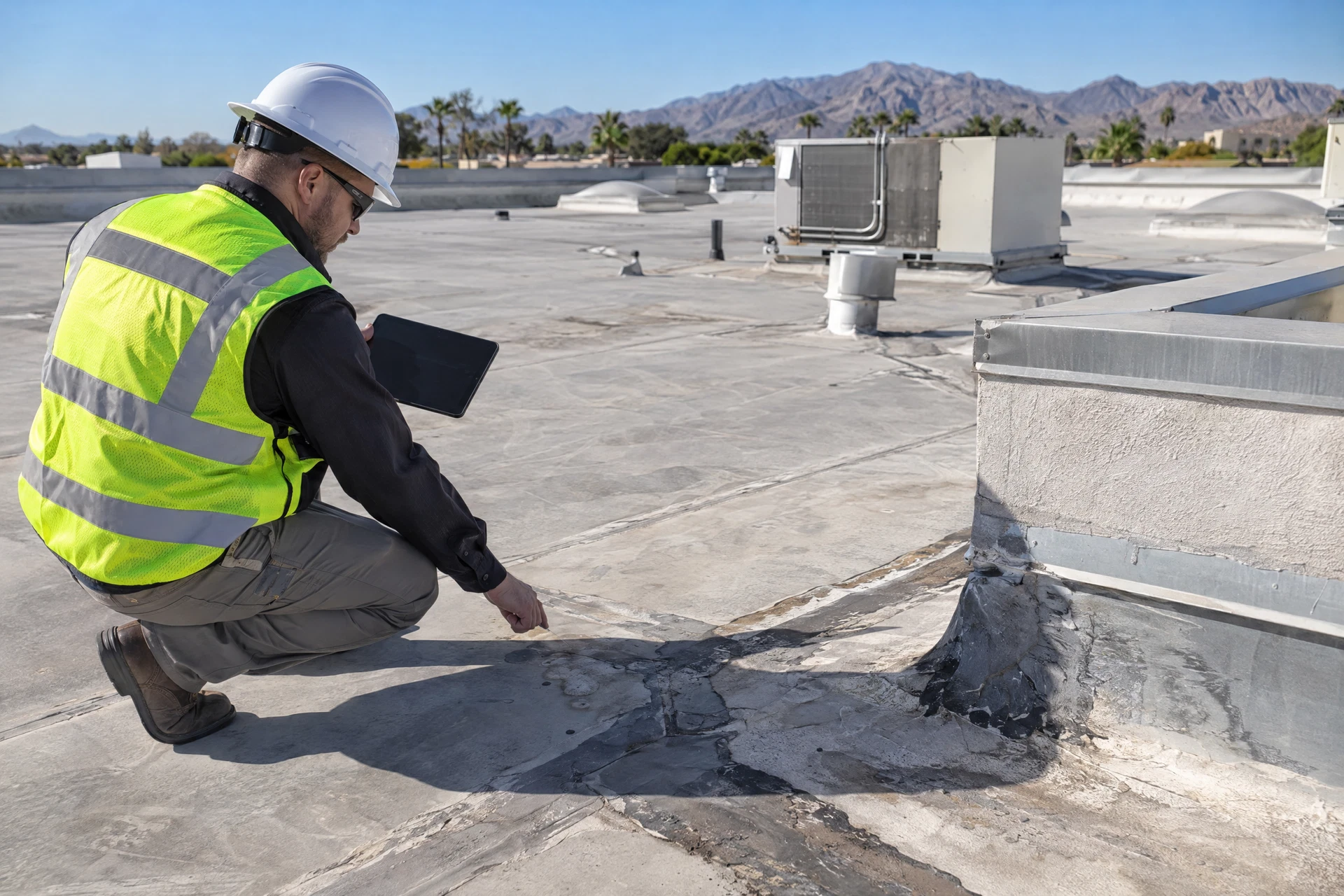
Commercial roof detail inspection

Conditions That Can Change the Plan

Conditions That Can Change the Plan

A careful roof review should surface conditions that can limit silicone work. These items deserve direct discussion before a coating scope is treated as ready.

Persistent Ponding Areas

Recurring standing water can signal a drainage or structural issue that coating alone does not correct. Map the condition and decide whether separate work or additional review is needed.

  • Locate repeated water
  • Review adjacent details
  • Define separate scope

Moisture in the Assembly

Moisture concerns can affect adhesion and long-term roof performance. Investigate the affected area before deciding whether the existing surface is suitable for a silicone system.

  • Check affected areas
  • Document findings
  • Pause coating decision when needed

Weak Existing Adhesion

Loose, contaminated, or incompatible layers can prevent a dependable bond. Preparation may need to remove or repair affected areas before another adhesion review.

  • Identify loose layers
  • Clean representative areas
  • Retest after preparation

Unresolved Roof Details

Penetrations, seams, edges, transitions, and equipment curbs need their own review. Detail conditions can change preparation, repair needs, and how maintenance access is managed.

  • Review transitions
  • Mark penetrations
  • Coordinate equipment access

Heavy Future Foot Traffic

Frequent access for equipment or service can affect the maintenance plan. Identify traffic routes and service zones so the selected system is discussed with realistic use in mind.

  • Map access routes
  • Plan protection
  • Set inspection expectations

Silicone Roof Coating Questions

Silicone Roof Coating Questions

These answers explain how ponding, moisture, adhesion, primers, application conditions, and maintenance affect a silicone coating decision.

Can silicone roof coating handle ponding water?

Silicone may be considered for some low-slope roofs with recurring ponding, but ponding still requires investigation. Review where water remains, how often it recurs, nearby drains, surface condition, and related details. Coating selection does not fix drainage design or structural damage, so separate work may be needed before or alongside a coating decision.

Why does substrate moisture matter before silicone coating?

Moisture can affect adhesion and the condition of the roof assembly beneath the coating. A review should identify visible moisture indicators and areas that need further testing. The goal is to understand whether the substrate is adequately suitable for the proposed system, rather than covering an unresolved moisture condition.

Is primer always required for silicone roof coating?

Primer is not an automatic choice for every roof. Existing materials, aged coatings, contamination, surface preparation, and the selected silicone system all affect compatibility. Adhesion testing and product requirements help determine whether primer is appropriate, which preparation is needed, and where the recommendation applies.

Can an existing roof be recoated with silicone?

An existing roof may be a candidate for recoating after its surface condition is reviewed. Check adhesion, contamination, repairs, moisture, details, and the compatibility of the proposed system with existing materials. Areas with weak bonds or unresolved damage may require preparation or separate repair before recoating is considered.

How do dirt and rooftop activity affect silicone maintenance?

Dirt, equipment service, foot traffic, and recurring access can change how a coated roof should be inspected and maintained. Discuss traffic routes, equipment zones, cleaning needs, and inspection points before finalizing the scope. Maintenance planning keeps rooftop activity visible after the coating work is complete.

What application conditions should be reviewed?

The roof surface, weather conditions, substrate dryness, access controls, and preparation status should be reviewed before application. The work scope should identify areas that are ready, areas needing repair, and details that require focused attention. A coating decision should follow the documented roof conditions and selected product requirements.

Next Roof Step

Get A Clear Starting Point

Bring the roof condition, access concerns, and building details into one commercial coating discussion.

Roof Questions?

Talk About Your Commercial Roof

Leave your name and phone number, or call now to discuss the roof condition.

Call Us
Call Us+1 (623) 310-0168